Turkic countries at COP31 create TULIP platform for urban climate projects
Turkey's COP31 President and Environment Minister Murat Kurum announced the launch of the new TULIP platform, aimed at turning Turkic states' environmental and climate cooperation into concrete urban projects and investment.
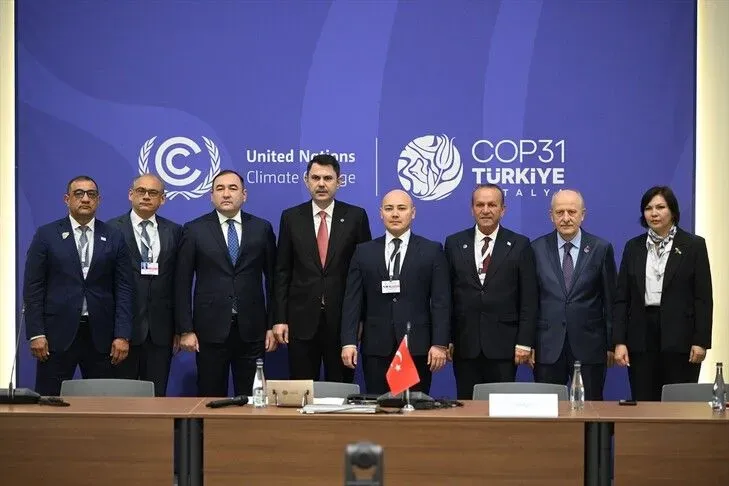
Murat Kurum announced this on November 16 at the meeting of environment and climate change ministers of the Organization of Turkic States (OTS) in Antalya, Anadolu reports.
The gist in brief
- The TULIP platform, announced on November 16, 2026, is to work on projects in the fields of urban development, renovation, "smart" cities and investment.
- It will directly support the SURFF sustainable urban development financing program presented at COP31.
- Kurum invited OTS countries to join the global electrification commitment "35 by 35": the share of electricity in global final energy consumption should rise to 35% by 2035.
- There is no explanation of the name, amounts, timelines or list of platform participants in the reports.
What Kurum announced
Kurum said it was time to continue the path that began in Baku and continued in Astana with joint projects, investments and work that delivers results. At COP29 in Baku, the environment ministers of the OTS countries gathered at one table for the first time, the second meeting was held in April in Astana, and now in Antalya. According to him, the TULIP platform will directly support SURFF and should translate the interaction of the Turkic states into concrete projects in the fields of urban development, renovation, "smart" cities and investment.
What is proposed specifically
According to Sabah, Kurum proposed using the OTS Drought Prevention Institute, forming common pools of investment-ready projects within the framework of the "Turkic Green Vision" adopted in 2024, and selecting financing for them through the "Implementation Climate Bridge." In addition, he proposed creating working groups of ministry experts and engaging municipalities, universities, youth, engineers and entrepreneurs, as well as separately checking how many commitments from past meetings have been fulfilled.
Who participated in the meeting
As Sabah writes, the round table was attended by the Minister of Ecology and Natural Resources of Kazakhstan Alibek Kuantyrov, the advisor on ecology and chairman of the National Committee on Ecology and Climate Change of Uzbekistan Aziz Abdukhakimov, Deputy Minister of Ecology and Natural Resources of Azerbaijan Umayra Taghiyeva, Deputy Minister of Natural Resources, Ecology and Technical Supervision of Kyrgyzstan Asel Raimkulova and a representative of an observer country.
What Kazakhstan is doing
In Kazakhstan's national pavilion at COP31 on November 10, as reported by the Ministry of Ecology and Natural Resources, a session was held titled "Regional Climate Center of the Turkic States: Opportunities and Requirements." It was organized by the RSE "Kazhydromet" and the State Meteorological Service of Turkey. The session was attended by the Secretary-General of the World Meteorological Organization Celeste Saulo, heads of the national hydrometeorological services of the Turkic states and international experts. They discussed the creation of a center that should strengthen cooperation, develop climate services, data exchange and early warning systems.
Kazhydromet Director General Danara Alimbayeva presented Kazakhstan's vision: the key functions of the center and prospects for its development taking into account the requirements of the World Meteorological Organization. As a result, it was agreed to form a technical working group to prepare proposals and a phased roadmap. Kazakhstan supports the initiative and considers it a strategically significant step. Participants called the results of the discussion a contribution to the proposed Antalya Declaration on climate resilience and meteorological cooperation between the Turkic states.
What else Kurum spoke about
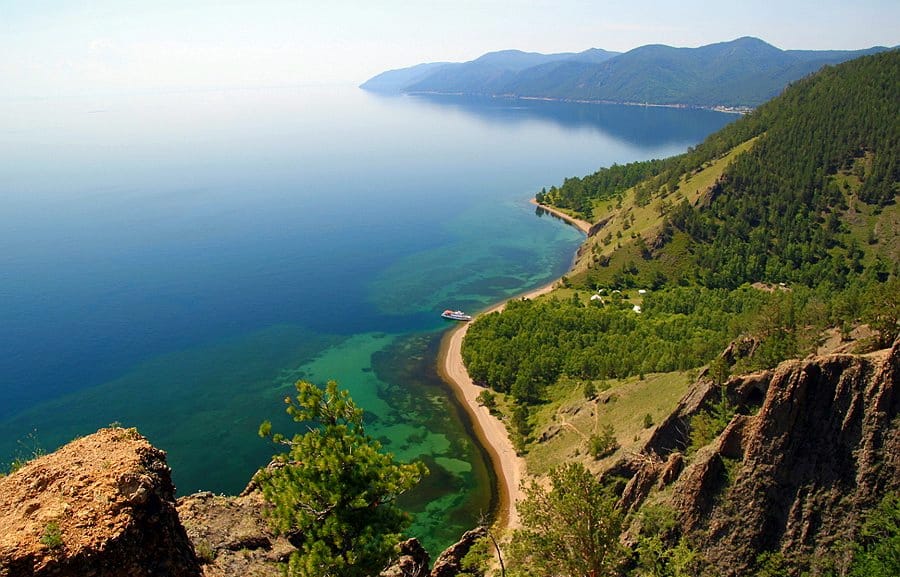
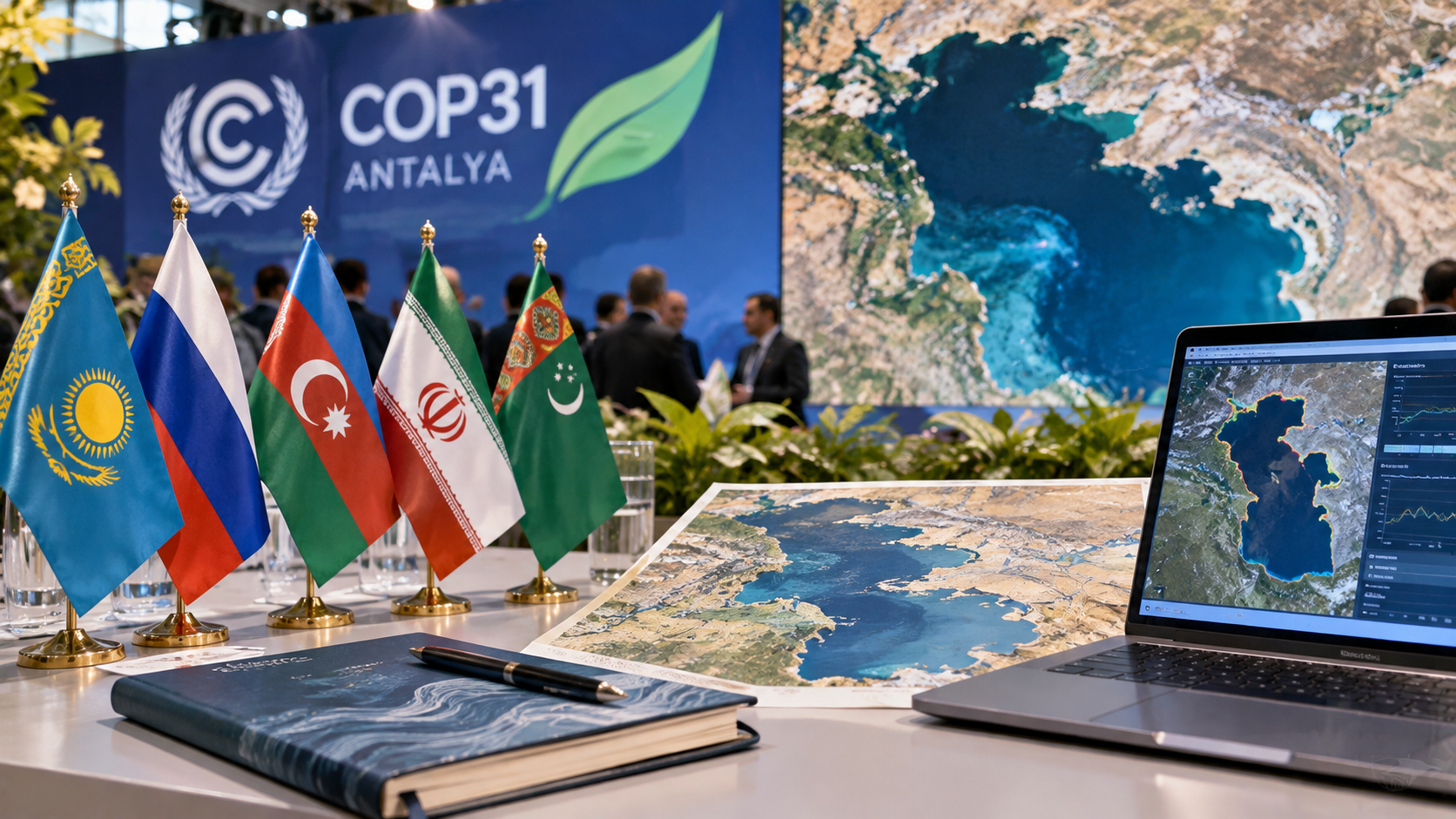
Kurum recalled the shared responsibility for land, water and air and named the region's problems: the destruction of the Aral Sea, the declining water level in the Caspian Sea, the shrinking glaciers in Central Asia and the impact of drought on agriculture. The water issue, according to him, directly affects the lives of cities, farmers and future generations. On the Caspian, at COP31 Kazakhstan proposed that the Caspian countries jointly monitor the state of the sea. On the Aral, as we wrote, Kazakhstan's pavilion at COP31 showcases projects on the Northern Aral, and phosphogypsum from fertilizer waste is being tested on the Aral seabed to restore saline soils. Environmentalists proposed creating a commission to restore pastures where 26 million hectares have degraded.
Kurum named energy as the first area of joint work. He invited the countries to join the global electrification commitment "35 by 35," which aims to increase the share of electricity in global final energy consumption to 35% by 2035. This goal was presented at the conference as a global one, and disputes around it are also ongoing in the first draft of the final decision. He also called for jointly increasing investment in clean energy, pooling experience on grid and storage technologies and developing joint energy efficiency programs. Electrification, according to him, cannot be considered a narrow technical energy topic: the operation of a hospital, irrigation of fields, factories and a city's ability to survive a disaster all depend on it.
Author's conclusion
TULIP is so far announced as an idea: the platform has no explanation of its name, funding volume, timelines or list of participants, and Kazakhstan's accession to the platform has not been reported: the country is so far participating in the meeting and supporting the creation of the Regional Climate Center of the Turkic States, for which a roadmap has yet to be prepared. Kurum himself proposed checking how many past commitments have been fulfilled, and that is exactly how the platform can be judged. Which projects will enter the common pool and which financing mechanism will be connected has not yet been stated.
Comments ()