What causes seal deaths in Kazakhstan
New H5N1 strain alarms globally, striking a vast range of animals—from squirrels and skunks to bottlenose dolphins, polar bears, and even dairy cows.
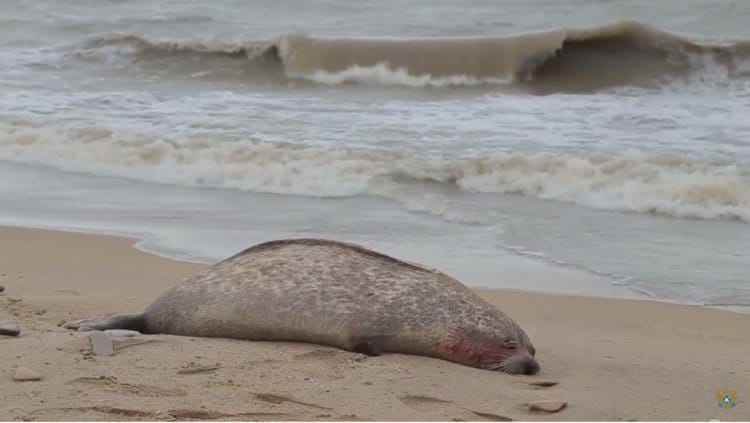
The Caspian Sea continues to wash up dead seals, and the number has already approached 180.
I continue to insist that this is bird flu H5N1, or more precisely, its new strain.
The new strain is already causing concern at the international level, primarily due to its remarkable ability to infect a wide range of animals — from squirrels and skunks to bottlenose dolphins, all the way to polar bears and even dairy cows.
In the United States, more than 300 seal deaths have already been recorded, and in South America — over 20,000 sea lions (Chile and Peru), as well as thousands of elephant seals in Argentina. In Argentina, nearly 96% of young elephant seals died in 2023, and this is a catastrophe for the population.
The United States has tightened controls on transported cattle, as cows are also carriers of the new strain.
But it is important to note here that after pasteurization, milk becomes safe; pasteurization effectively destroys the virus. However, I would not recommend drinking raw milk at this time.
The latest facts of seal die-offs are no longer a warning bell — they are a wake-up call for veterinarians, urging them to look at the international agenda and take action now.


Comments ()