Which business will survive in 2025, what to invest in, and who will thrive?
During an economic crisis—already visible in Kazakhstan’s budget amendments—certain businesses thrive. Cheap goods and services are the usual winners.
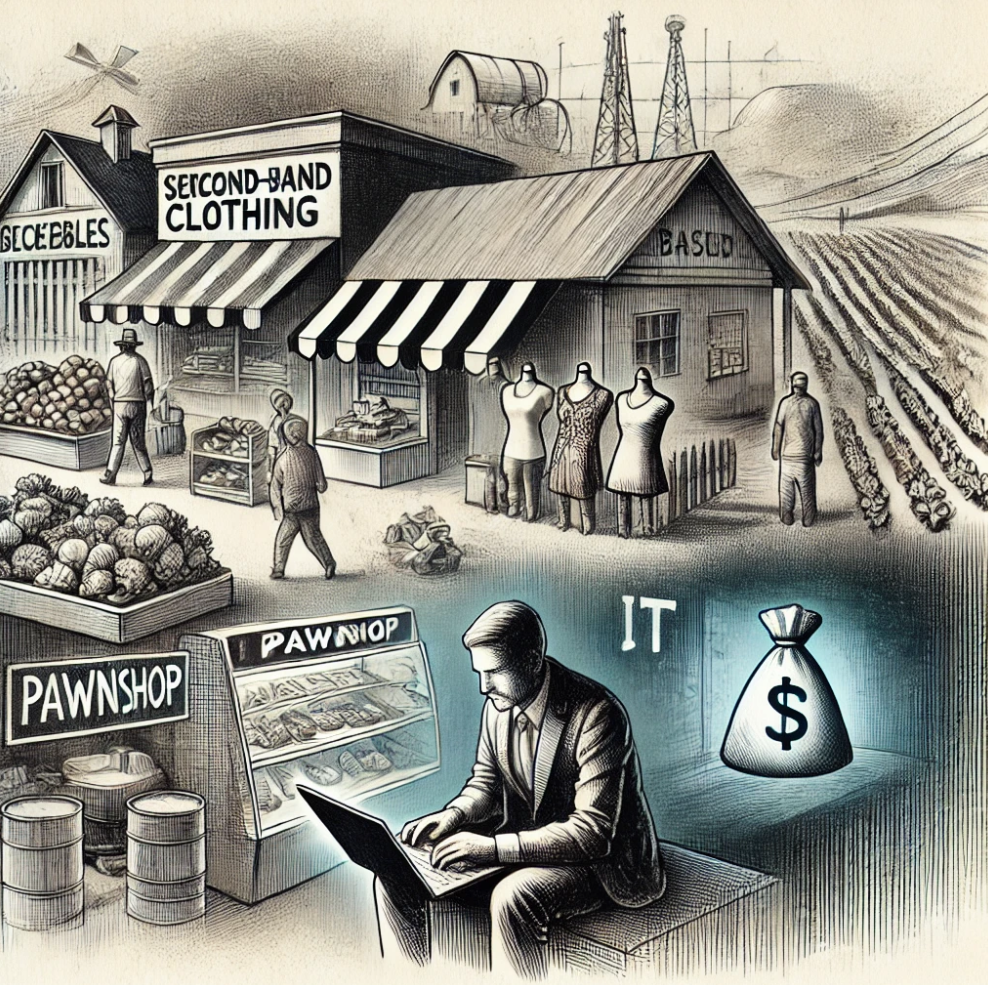
During times of economic crisis — and it is evident and not on the horizon (look at the latest budget amendments) — in developing countries such as Kazakhstan, certain types of businesses not only survive but thrive.
Who usually wins in tough conditions?
Trade in cheap goods and services. Second-hand stores and economy-class shops become popular, as people switch to cheaper goods, including clothing and household appliances. Discounters and markets also thrive. Chain stores selling products at minimum prices are gaining popularity.
Alcohol and tobacco business. In a crisis, the demand for alcohol and cigarettes increases. Sales of cheap alcohol and cigarettes, as well as illicit production, rise. Economy-segment liquor stores thrive.
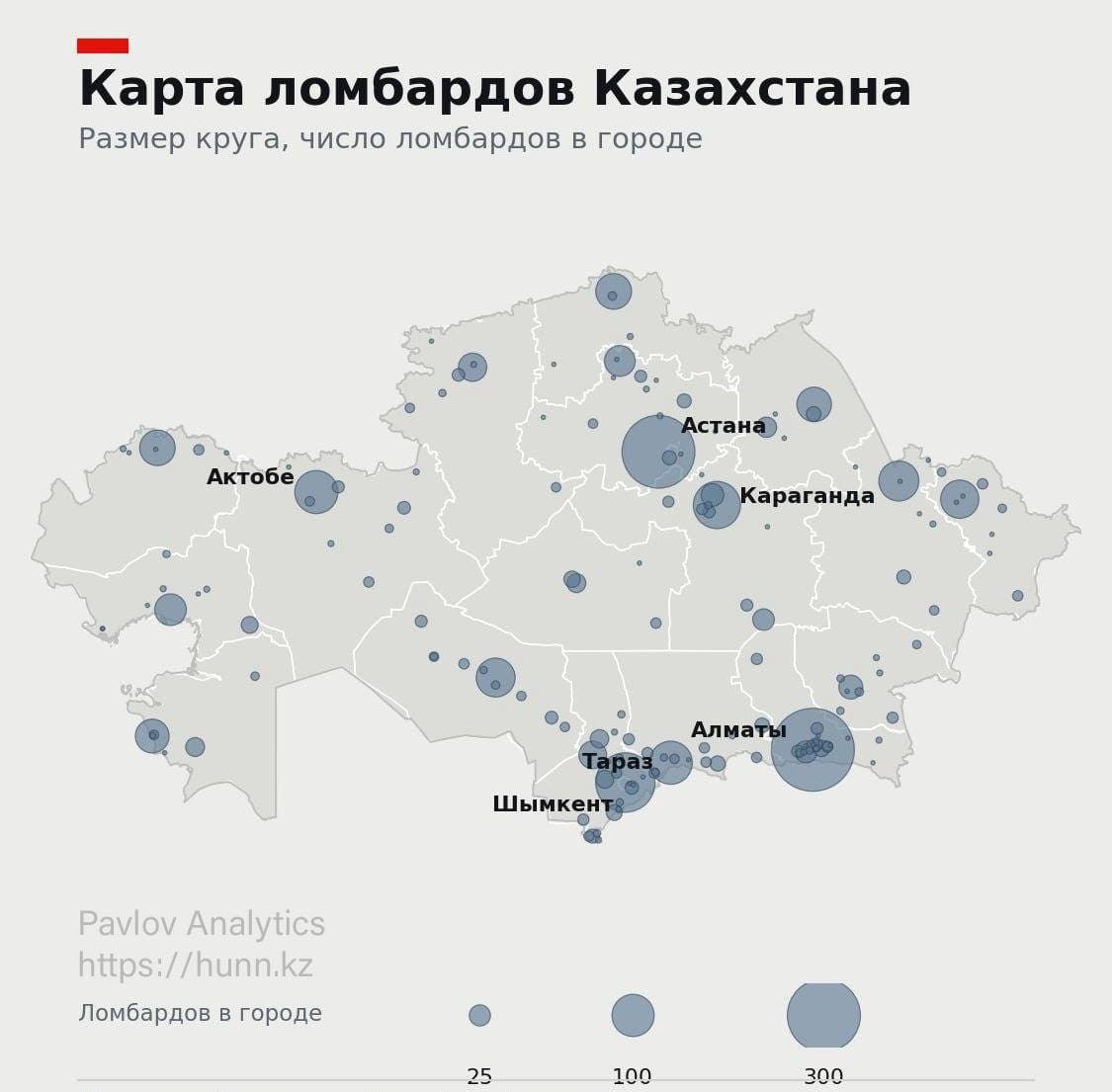
Pawnshop business and microloans. Pawnshops become in demand as people pawn valuables to survive. The business of buying gold and electronics is actively developing. Microfinance organizations also thrive, despite high interest rates, as the demand for quick cash grows.
Gray and black market. Smuggling, illegal currency exchange offices, underground casinos, and trade in sanctioned goods actively develop during a crisis.
Agriculture and the basic "borscht set." Demand for staple products such as cabbage, potatoes, carrots, rice, and buckwheat is growing. The production of semi-finished products, dumplings, canned goods, and pasta also thrives.
Repair and restoration services. When there is no money for something new, old things are repaired until the very end. The business of repairing household appliances, shoes, cars, and smartphones is in demand.
IT services and online platforms. People look for ways to save on rent and employment. Online trading, freelance exchanges, and food delivery develop despite the crisis.
Currency exchange and accumulation of hard currency. Currency exchange offices and people trading in cash dollars actively profit from the instability of the national currency.
Who thrives?
Corrupt officials and representatives of the shadow economy who use the chaos to implement schemes and hide money. Financial speculators profit from price spikes and inflation. Scammers exploit the desire for quick, immediate earnings. Oligarchs and those close to power can benefit from the privatization of state property. Dealers of cheap surrogates, such as alcohol and medicines, also find opportunities for growth. Smugglers engaged in the illegal import of cheap and counterfeit products into the country.
To sum it up, the winners will be the IT specialists who come up with a platform for selling illegal counterfeit products and alcohol, as well as second-hand goods, on credit.
Comments ()