WHO: Central Asia in high seismic risk zone — preparation needed in advance
Earthquakes remain the deadliest natural disasters: from 2000 to 2023, they caused over half of all natural disaster deaths.
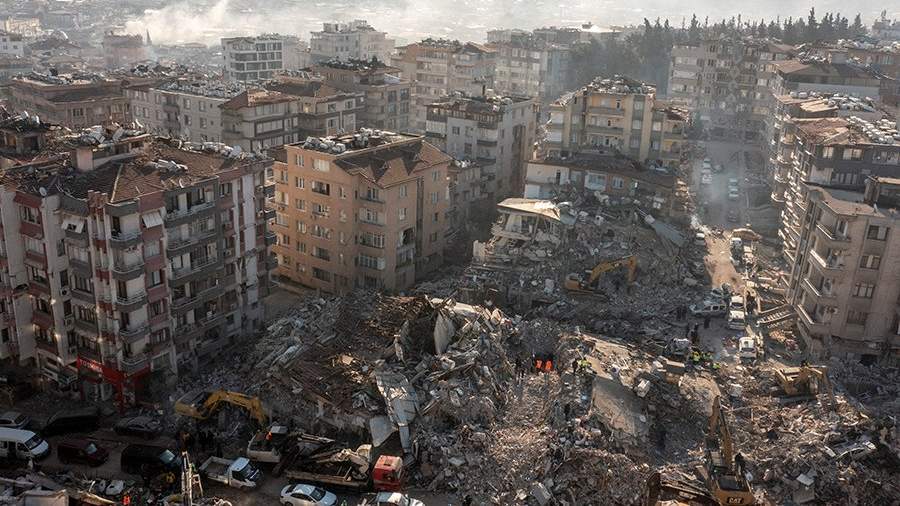
WHO warns that millions of residents in Central Asia live and receive medical care in buildings that may not withstand strong seismic tremors, reports the publication AVESTA.
In Brief
•Since 2000, earthquakes have claimed more lives than all other natural disasters combined.
• Kyrgyzstan, Tajikistan, parts of Kazakhstan, Turkmenistan, and Uzbekistan are classified as zones of very high seismic hazard.
• The Fergana Valley, with a population of about 11 million people across three countries, is of particular concern.
• Earthquake preparedness costs significantly less than disaster response: strengthening seismic resilience increases construction costs by less than 4%.
Threat to Central Asia
The WHO European Region contains two of the world's largest seismic belts. Almost the entire territory of Kyrgyzstan and Tajikistan, as well as parts of Kazakhstan, Turkmenistan, and Uzbekistan, along with the countries of the South Caucasus, are classified as zones of very high seismic hazard.
The Fergana Valley is particularly vulnerable, where about 11 million people live across three states — Kyrgyzstan, Tajikistan, and Uzbekistan. This densely populated region with dense construction and outdated infrastructure represents a "high-risk zone" according to expert assessments.
Experience of Turkey and Syria: A Lesson for All
The devastating earthquakes in Turkey and Syria in 2023 vividly demonstrated the critical importance of keeping hospitals operational after a disaster. If medical facilities fail in the first minutes after a natural disaster strikes, thousands of victims may be left without life-saving care.
According to UN estimates, building a new hospital to seismic safety standards increases the project cost by less than 4%, while retrofitting existing buildings can cost about 1% of their value, significantly improving their chances of remaining operational after an earthquake.
Expert Recommendations
In addition to strengthening medical infrastructure, WHO specialists recommend:
- keeping emergency medical teams on constant standby- conducting regular drills
- improving international coordination
- paying special attention to protecting the most vulnerable groups — the elderly, people with disabilities, and forced migrants.
As WHO notes, the main lesson from recent major earthquakes is that preparation must happen before the next disaster strikes.
Author's Conclusion
For Central Asia, the WHO warning sounds particularly alarming: the region is not only located in a seismically active zone but also faces the problem of outdated infrastructure, especially in the densely populated Fergana Valley. Saving on seismic resilience today could result in catastrophic losses tomorrow — both human and financial. The question is not whether a strong earthquake will occur, but how prepared we are for it.
Comments ()