Afghanistan aims to reduce dependence on electricity imports: 25 energy projects approved
Taliban approves a five-year power sector plan, launching 25 energy projects.
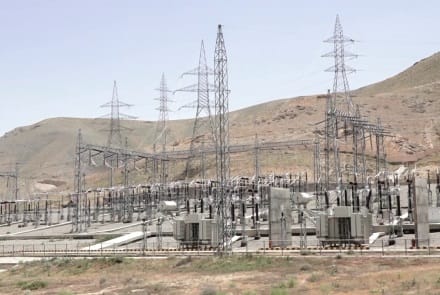
The program is aimed at increasing domestic generation through hydropower, solar and wind power plants, as well as coal-fired generation. The main goal is to reduce the country's dependence on electricity imports and strengthen energy security, reports IA Karavan Info.
In a Nutshell
· A five-year energy development plan has been approved in Afghanistan.
· The plan includes the implementation of 25 electricity generation projects.
· The main focus is on hydropower, solar and wind power plants, as well as coal-fired generation.
· The construction of power transmission lines, substations, and distribution networks is also envisaged.
· The authorities aim to reduce the country's dependence on electricity imports.
Betting on Domestic Generation
As reported by the press service of the Deputy Prime Minister of the Taliban movement, the economic commission led by Abdul Ghani Baradar approved a comprehensive program for the development of the electric power industry, which was subsequently approved by the movement's leader, Haibatullah Akhundzada.
The document provides for the implementation of 25 projects for electricity generation using the country's internal resources. In addition to building new generating capacities, the plan includes the development of energy infrastructure — power transmission lines, substations, and distribution networks.
According to the authorities' plan, this will ensure a more stable electricity supply and increase Afghanistan's energy independence.
The Country Still Depends on Imports
Today, Afghanistan remains one of the largest importers of electricity in the region. A significant portion of the country's needs is covered by supplies from Uzbekistan, Turkmenistan, and Tajikistan.
That is why developing domestic generation is seen as a strategic task. The authorities expect that the implementation of the five-year plan will gradually reduce import volumes and increase the resilience of the national energy system.
What This Means for Central Asia
If Afghanistan can significantly increase its own electricity production, this could eventually change the energy balance of the region. For Central Asian countries, which currently export electricity to Afghanistan, this means a potential reduction in Kabul's dependence on external suppliers.
At the same time, implementing such a large-scale program will require significant financial resources, modern technology, and time. Therefore, in the coming years, Afghanistan will most likely retain its status as an electricity importer.
Earlier, Hunn.kz reported that the World Bank continues to actively invest in the energy infrastructure of Central Asia, including allocating 300 million dollars for the second phase of the construction of the Rogun HPP in Tajikistan. In parallel, Kyrgyzstan has begun implementing one of the largest hydropower projects in its history — the construction of the Kazarman Cascade of HPPs. Against this backdrop, Afghanistan's plans indicate that virtually all countries in the region are currently seeking to strengthen their own energy independence.
Author's Conclusion
The approval of the five-year plan shows that Afghanistan is betting on the long-term development of its own energy sector. While the country remains dependent on electricity imports, the intention to simultaneously develop hydropower, renewable energy sources, and coal-fired generation indicates a desire to diversify the energy balance. If the announced projects are implemented, the energy map of Central Asia could change significantly in the coming years.
Comments ()