AI thirsts for water: UN calculates how many natural resources data centers consume
In 2025, UN University reports data centers used 1.2 trillion gallons of water and 448 trillion watt-hours of electricity.
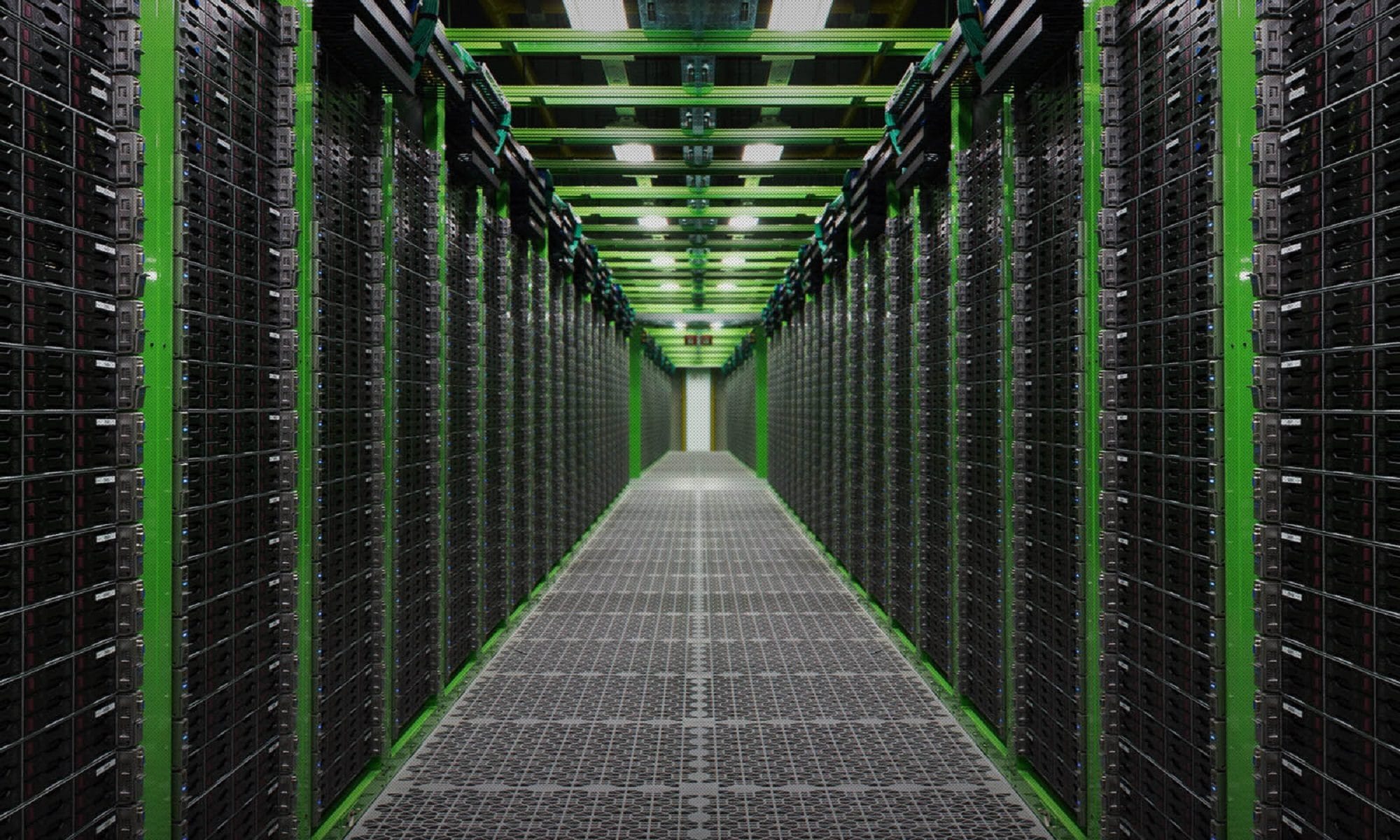
Artificial intelligence is typically discussed in the context of computing power and algorithms. A new report from the United Nations University offers a different perspective — viewing it as a physical system that consumes water, land, and energy on a scale comparable to entire nations. In 2025, the world's data centers used 1.2 trillion gallons of water and 448 trillion Wh of electricity. AI's share of these costs is growing rapidly — and water is becoming the next flashpoint. For Kazakhstan, which is experiencing chronic water scarcity, this is not abstract statistics.
In Brief
- The UN Institute for Water, Environment and Health (UNU-INWEH) published a report on June 3, 2026 titled "The Environmental Cost of AI: Carbon, Water, and Land Footprints".
- In 2025, the world's data centers consumed 448 trillion Wh of electricity — ranking 11th globally if counted as a separate country. Water consumption was 1.2 trillion gallons, and CO₂ emissions were 208 million tons, equivalent to Argentina's annual emissions.
- Currently, AI accounts for about 20% of data center energy consumption, but this share will rise to 40% within five years. By 2030, total energy and water costs will double.
- A key finding of the report: low-carbon electricity does not automatically mean low water consumption. Nuclear and hydropower require vast amounts of water for cooling.
- The environmental costs of AI are not a technical issue but a matter of equity: the benefits of AI are distributed globally, while the burden on water, land, and energy grids falls on specific regions and communities.
The Data Center as a Stealth State
The report shows that AI is not just a digital technology but a physical system with measurable environmental costs. Its infrastructure includes data centers, chips, cooling systems, power grids, water intakes, land, and supply chains for critical minerals.
The scale of this system is staggering: if all the world's data centers were combined into one "country," it would rank 11th globally in energy consumption — surpassing most nations. Moreover, this is not a fixed point but a dynamically growing system: by 2030, consumption will double.
Water — The Next Resource After Energy
Public discussion about AI's environmental costs has focused primarily on CO₂ emissions. The UN report deliberately shifts the focus: its central conclusion is that AI's environmental costs depend not only on the amount of electricity consumed but also on where and from what sources it is generated. Every kilowatt-hour consumed carries a carbon, water, and land footprint, and these footprints do not always move in the same direction: low-carbon electricity is not automatically low-water or low-land.
This is a fundamental clarification: cooling server rooms requires a colossal amount of water regardless of the electricity source. Nuclear and hydroelectric plants, considered "green" in terms of emissions, can be the largest water consumers in a region. Where water is a scarce resource, building a data center alters the entire regional water balance.
Equity as a Central Issue
The report's authors frame AI's environmental footprint as an issue of governance and equity, not just a technical problem. The benefits of AI are often distributed across borders and industries, while the environmental burden from data center siting, electricity consumption, water withdrawals, land use, mining, and electronic waste can be concentrated in specific communities and regions.
This means that a country hosting a large data center may receive tax revenue and jobs — while simultaneously bearing environmental costs disproportionate to the benefits: depletion of aquifers, strain on the power grid, and land occupation.
The Kazakhstan Context
Kazakhstan is in a zone of particular risk for several reasons simultaneously, as we have written repeatedly. First, the country experiences chronic and officially documented water scarcity. According to UN data, Kazakhstan's water stress level is 34.6% — the threshold at which deficit is recorded. Meanwhile, agriculture consumes 65% of all water in the country, and losses due to outdated irrigation infrastructure are colossal.
The picture for 2026 is especially alarming. The Shardara Reservoir in January was filled to only 79% of normal capacity — compared to 98.6% a year earlier. Concurrently, satellite data recorded negative snowpack in the upper Syr Darya for the third consecutive year, threatening water supply for the entire agricultural south of the country during the growing season.
Against this backdrop, the country is actively attracting investment in digital infrastructure, including data centers, positioning itself as a regional IT hub. However, the issue of water consumption by server infrastructure is virtually absent from Kazakhstan's regulatory discourse — despite the fact that cooling data centers requires enormous amounts of water regardless of the electricity source.
Systemic water losses due to mismanagement and corruption in the irrigation sector complete the picture: the country is losing what it already lacks. An audit of water sector effectiveness records unrealized reforms, corruption risks, and a lack of systemic management — precisely at a time when new large-scale water consumers in the form of data centers are just beginning to enter the country.
Kazakhstan is also continuing to build large hydroelectric plants and discussing nuclear generation — precisely the electricity sources that the UN report highlights as potentially highly water-intensive when combined with data centers.
What the UN Proposes
To mitigate risks, the report calls for building a responsible AI ecosystem based on transparency, efficiency by design, environmental justice, full life-cycle accountability, global cooperation, and sustainable use.
In practice, this means: disclosing data center water consumption data, mandatory environmental audits for new facilities, and prioritizing regions with water surpluses and renewable energy when selecting sites. None of these norms are currently mandatory in any jurisdiction worldwide.
Author's Conclusion
AI is turning into one of the largest consumers of fresh water on the planet — and most countries never even considered this when making decisions about building data centers. Kazakhstan, betting on a digital economy amid water stress, faces a question that needs to be asked now: what price in water is the country willing to pay for AI infrastructure — and who will bear these costs?

Comments ()