Alpine farmers bring cattle down from mountains early as drought destroys pastures
Europe is experiencing one of its worst summer droughts in years, and livestock farmers are the first to pay the price. Alpine pastures lack water and feed for cows. Many farmers are forced to move herds to valleys early and buy hay already in summer.
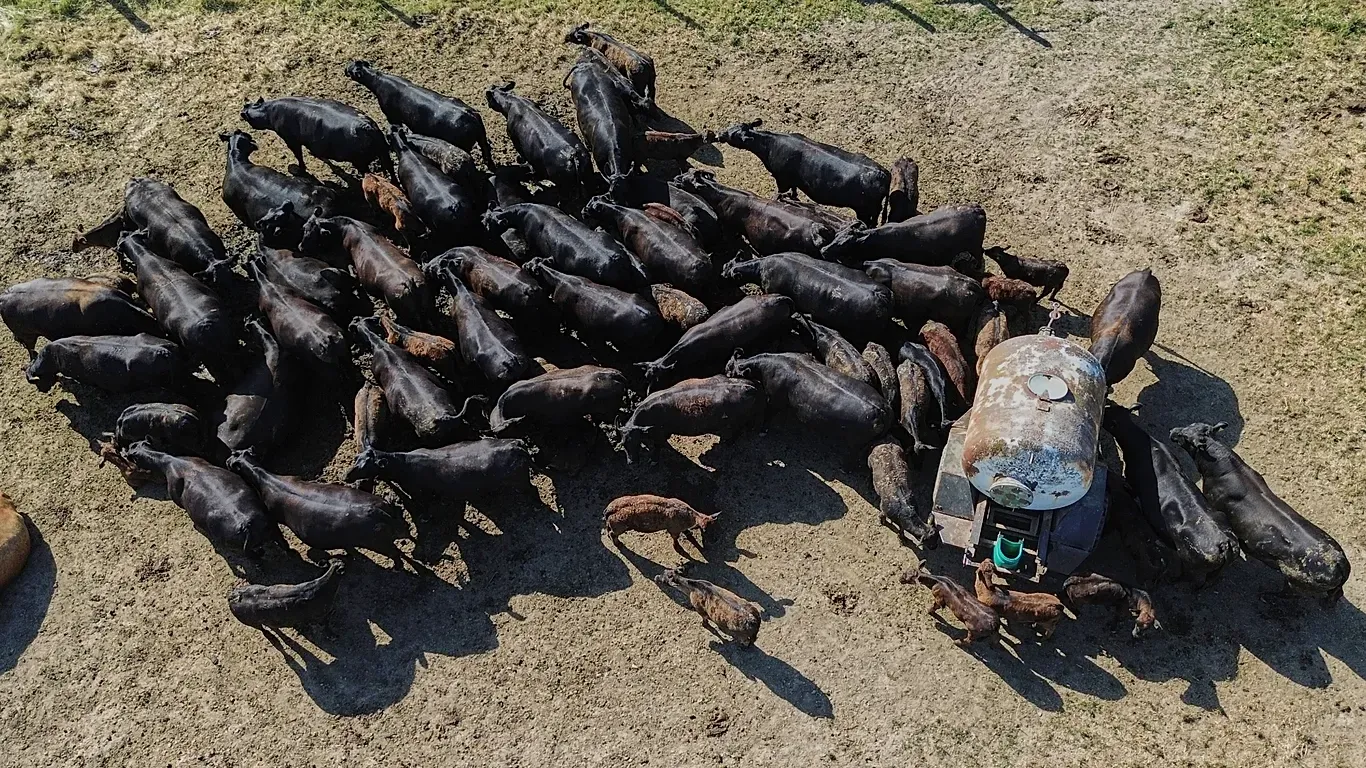
In Austria, according to surveys, 92.7% of agricultural enterprises expect crop losses due to the ongoing drought, forecasting an average decline of 20.4%. For Kazakhstan, where this summer's heat is also scorching pastures, the situation is not abstract — a domestic livestock farmer has already warned of the risk of mass livestock slaughter.
The Gist
- As early as the beginning of July, 92.7% of agricultural enterprises in Austria expected crop losses. Average losses are forecast at 20.4%.
- Farmers are forced to buy hay in the summer — a period when it is usually only being harvested. This sharply increases the cost of livestock maintenance.
- The situation is exacerbated by rising energy and fertilizer prices due to the war with Iran and the blockade of the Strait of Hormuz.
- NASA satellite imagery records: much of Europe has lost its typical summer green color — vegetation is drying out due to the heat.
- Kazakh livestock farmer Abai Kuanysh Suleimenov warned: a similar situation is developing on domestic farms — the heat is scorching fields and hayfields, threatening mass livestock slaughter.
Alps Without Grass — And Without Water
The Alpine mountain pastures have traditionally been considered an ideal place for summer grazing: a cool climate, abundant moisture, fresh grass. That is why farmers in Austria, Switzerland, and Germany drive their livestock to the mountains every summer and bring them down in the autumn. In 2026, this cycle broke down.
Due to the drought and heat, there is a lack of water and fodder for cows on the Alpine pastures. Many farmers have to bring their livestock down to the valley record-early and buy hay already in the summer, putting them in a difficult position.
Buying hay in summer means paying maximum prices amid a region-wide shortage. Meanwhile, hay for wintering still needs to be harvested — and its reserves are threatened by the same drought.
Double Blow: Drought Plus Expensive Resources
European farmers have found themselves in a difficult situation from two sides simultaneously. On one side, there is the climate drought destroying the fodder base. On the other, there is the rise in energy and fertilizer prices due to the war with Iran and the blockade of the Strait of Hormuz.
This means that the cost of producing meat and milk is rising across all items simultaneously: less fodder, more expensive fertilizers for restoring pastures, more expensive electricity for farms. In such conditions, some farms inevitably face a choice: operate at a loss or reduce livestock numbers.
Kazakhstan: Same Scenario, Different Latitude
The European picture is painfully familiar for Kazakhstan. Kazakh livestock farmer Abai Kuanysh Suleimenov, former chairman of the board of directors of the Republican Chamber Qazaq Aqbas, warned as early as the beginning of July about an identical threat:
"Traveling around our region, seeing how the heat this year is scorching fields and hayfields, I would like the regional akimat, the department of agriculture, and preferably the Ministry of Agriculture, to develop a plan and solution to establish communication between regions and help provide affected districts and regions with fodder to preserve livestock farming."
According to him, farms are operating on the verge of profitability, and in the absence of affordable fodder, farmers face the same choice as their European colleagues.
"There is a risk of mass livestock slaughter. If the situation does not change, many farms will be forced to make such decisions," Suleimenov believes.
Of particular concern is the threat of a reduction in the breeding stock — its restoration will take several years and require significant investment. That is why Suleimenov insists on interregional cooperation on fodder and urgent state support.
Author's Conclusion
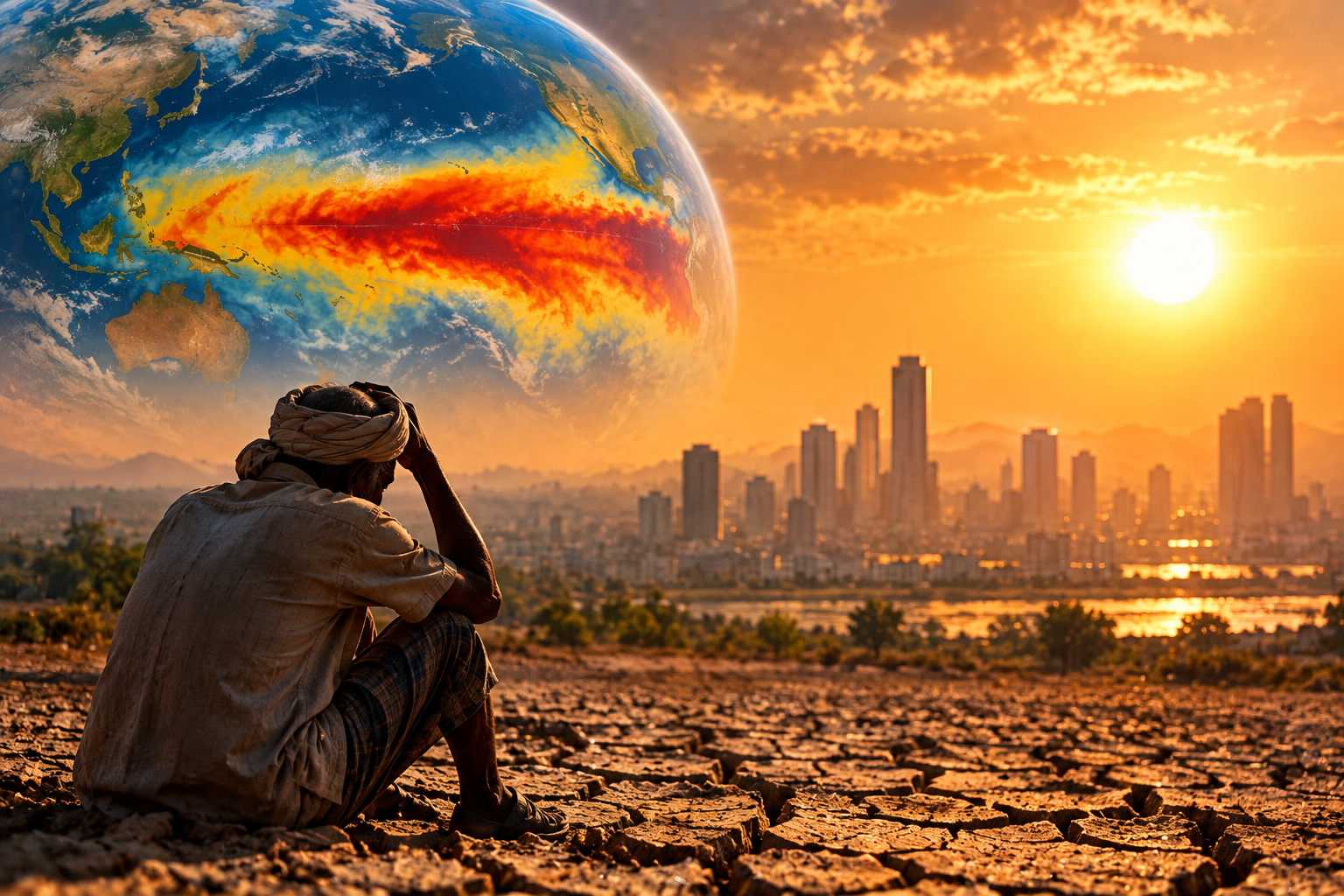
The drought in the Alps and the drought in the Kazakh steppe are manifestations of one global process: climate change, which is making summer heat extreme across the entire Northern Hemisphere. European farmers are forced to bring their cows down from the mountains in July. Kazakh farmers risk slaughtering theirs due to a lack of hay. The mechanism is the same, the geographies are different. But the state's response is precisely the factor that determines how deep the consequences for livestock farming will be.
Comments ()