An alarming start to 2026: water reserves in the Shardara Reservoir are significantly lower than last year's levels.
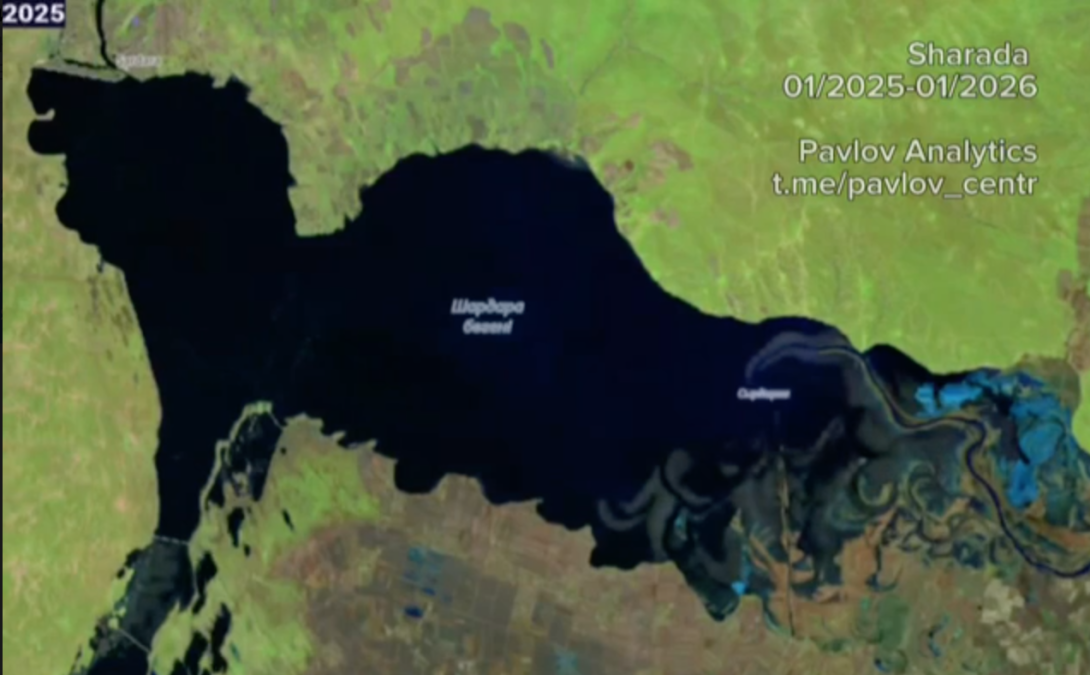
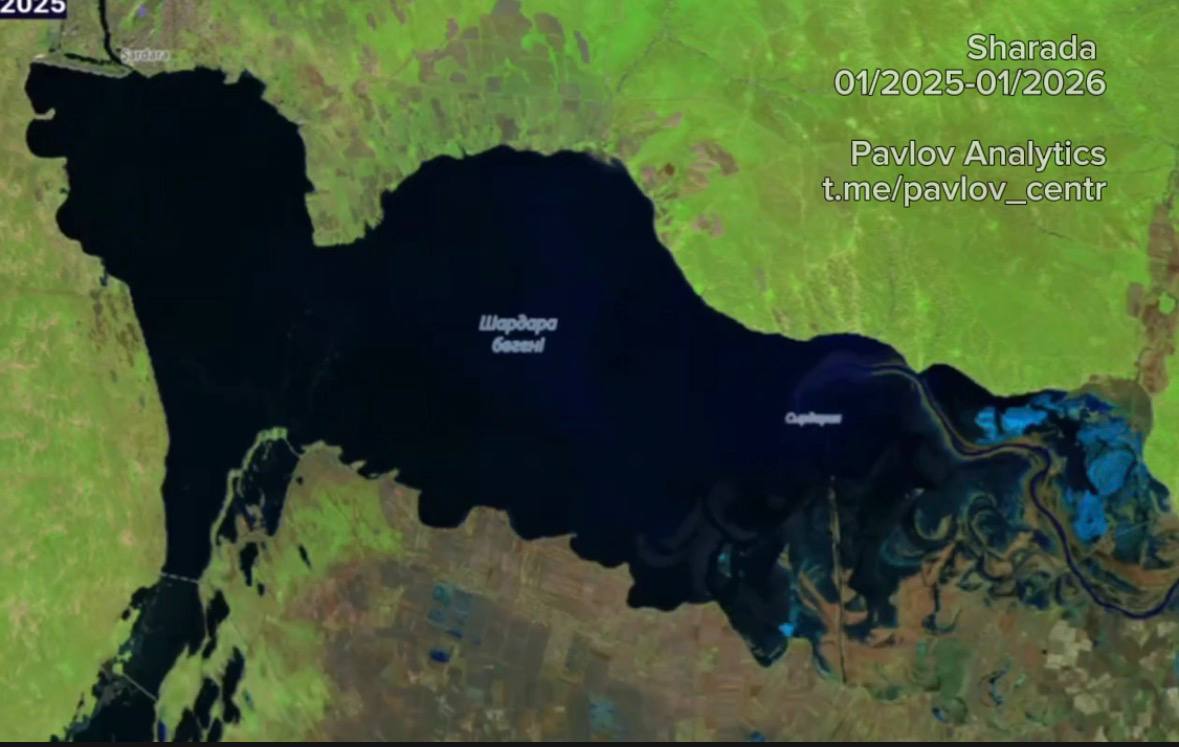
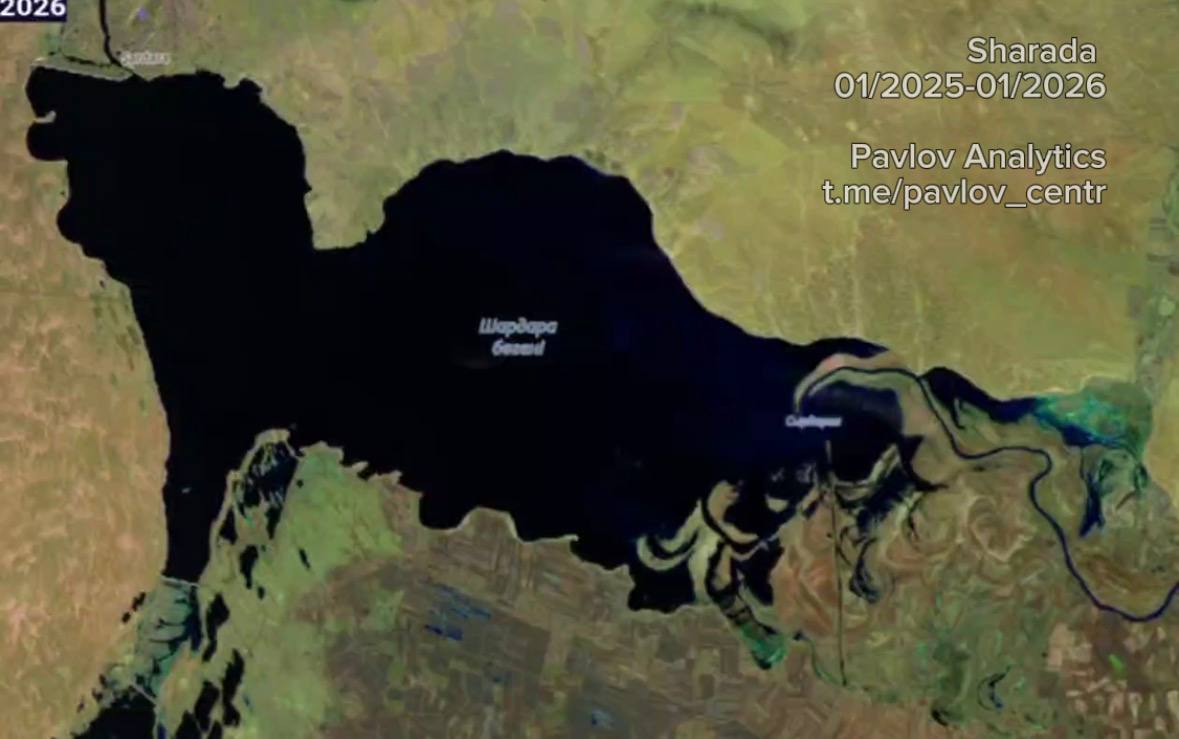
As of January 2026, the Shardara Reservoir is only 79% full, compared to 98.6% in January 2025. The drop is due to reduced autumn-winter inflow. Without increased spring runoff, water shortages are expected.
Figures and Facts: Falling Behind Schedule
An analysis of the hydrological situation at the beginning of 2026 shows a significant gap compared to the indicators of the previous season. Typically, January is the month when the Shardara Reservoir is at its peak filling level, accumulating winter runoff for subsequent release onto the fields.
However, this year the situation is different. Current filling is estimated at approximately 79% of the normal level for this time of year. Visually and statistically, this is a sharp contrast to January last year, when the reservoir basin was filled almost to the brim — at 98.6%.
Why Has There Been Less Water?
The difference of almost 20 percentage points is not a critical "here and now" emergency, but it serves as a serious indicator of problems upstream. The decrease in water level suggests that during the autumn and winter periods, the inflow into Shardara was significantly below average values.
Among the main factors influencing this trend, experts highlight:
- an overall decrease in the water flow of the Syr Darya River (less tributary inflow);
- the operating regime of hydraulic structures in upstream countries (specifics of water releases);
- climatic conditions affecting snowmelt and runoff.
Editorial Conclusion
The year 2026 for the water management sector in the South begins with a "low start." The available safety margin is significantly smaller than a year earlier. This means that dependence on spring floods and rains becomes critical. If the water inflow does not increase naturally in the coming months or through agreements with neighboring countries, farmers in the Turkestan and Kyzylorda regions should prepare for strict water use limitations during the growing season.

Comments ()