At COP31, a goal was set to bring the share of electricity in the world to 35% by 2035
At the UN COP31 climate conference in Antalya, the presidency presented a global goal to raise electricity's share of final energy consumption from about 23% now to 35% by 2035.
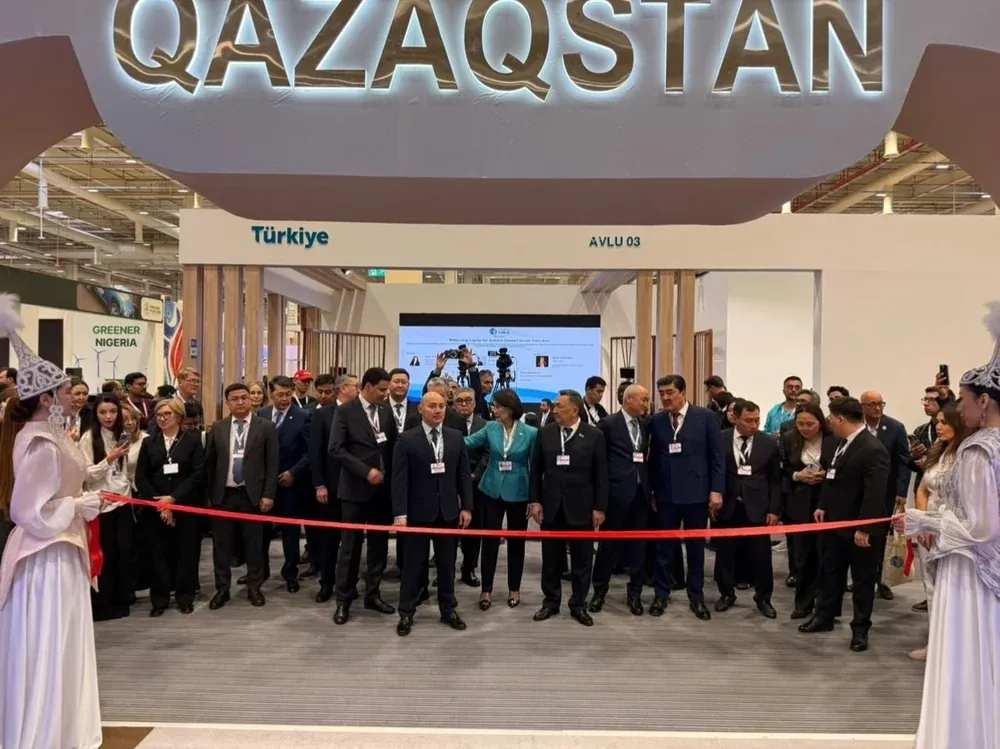
Kazakhstan's Prime Minister Olzhas Bektenov spoke at the conference and outlined the country's climate initiatives.
The gist in brief
- The "35 by 35" goal envisages raising the share of electricity in global final energy consumption from 23% to 35% by 2035.
- More than 180 companies with combined revenue of almost $1.7 trillion have declared support for the goal, and countries are invited to sign on to it.
- At COP31, Kazakhstan signed agreements worth $1.2 billion: wind farms in the Turkestan and Kostanay regions and more than 1 million smart gas meters.
- The share of renewable sources in Kazakhstan has grown fourfold over six years to 8%, and is planned to reach 15% by 2030.
What was presented at COP31
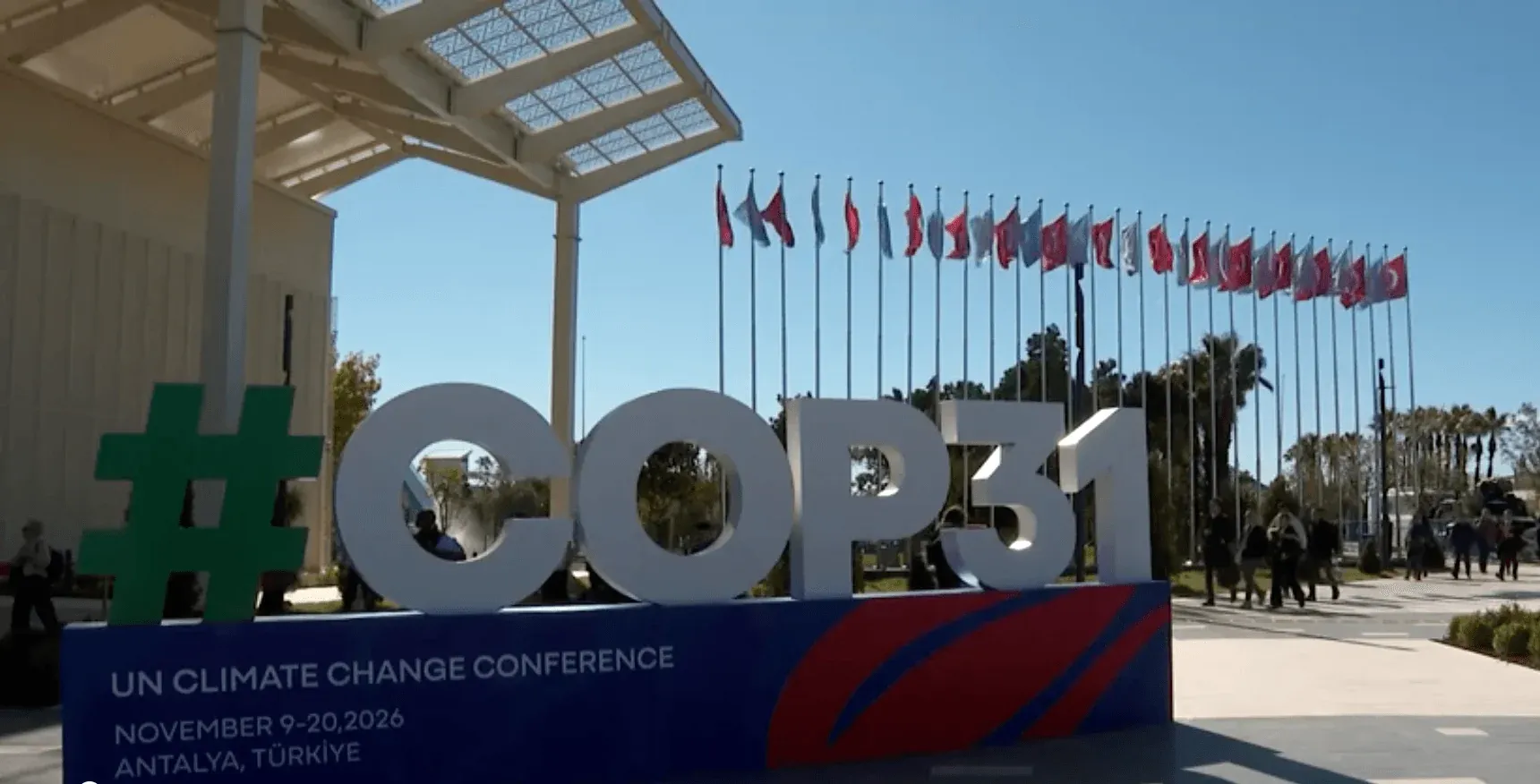
The Conference of the Parties to the UN Framework Convention on Climate Change, COP31, is being held in Antalya from November 9 to 20.
Conference President Murat Kurum said on November 10:
"We have launched the Global Electrification Initiative '35 by 35'.
Today, electricity accounts for about 23% of global final energy consumption. Our goal is to raise this share to 35% by 2035." Electrification covers transport, industry and buildings. Chief negotiator Chris Bowen noted that electrification is currently growing at about 0.3% per year and the pace needs to be sharply increased, while UN Executive Secretary for Climate Simon Stiell said that up to 75% of energy demand can be electrified with existing technologies.
Who supported the goal
Bowen said countries are invited to sign on to the commitment. Former COP presidents from the 21st through the 31st conference issued a statement in support of the presidency's agenda and its goals. More than 180 companies with combined revenue of almost $1.7 trillion, including Volvo, Uber, IKEA and Siemens, supported the initiative.
What climate initiatives Kazakhstan presented
Kazakhstan's Prime Minister Olzhas Bektenov spoke on behalf of the president, writes Inbusiness.kz. According to him, the "Taza Qazaqstan" initiative has become a nationwide movement, with more than 6 million people taking part in environmental events. Over five years, about 1.7 billion trees have been planted in the country, and another 270 million will be planted in 2027 to reach the president's goal of 2 billion. The UN supported Kazakhstan's proposal to declare April 22 the International Day of Greening the Planet.
The president proposed creating an International Water Organization under the auspices of the UN, and Bektenov invited partners to take part:
"We invite all interested partners to take part in this process."
In energy, he cited the fourfold growth in the share of renewable sources to 8% and the goal of 15% by 2030. Kazakhstan, Azerbaijan and Uzbekistan propose creating a "Green Energy Corridor" for exporting clean electricity. In addition, Bektenov presented Alatau City as a low-carbon city and spoke about the introduction of artificial intelligence and satellite monitoring to forecast natural risks.
What agreements Kazakhstan signed
According to 24.kz, the agreements worth $1.2 billion concern renewable energy and the modernization of gas infrastructure. Among the projects are wind power plants with a capacity of 150 MW in the Turkestan region, wind generation of about 1 GW in the Kostanay region, and the installation of more than a million smart gas meters with remote data transmission. The national pavilion also presented projects for restoring the Northern Aral Sea, preserving the Caspian Sea, waste recycling and reducing industrial emissions.
Author's conclusion
The "35 by 35" goal is not yet a commitment but an invitation: parties sign on to it voluntarily, companies and former COP presidents have declared support, and the pace of electrification now, according to Bowen himself, needs to be sharply increased. For Kazakhstan, this means that the conversation about electrification comes down to generation: the share of renewable sources stands at 8% against a goal of 15% by 2030, and the wind farm projects signed at COP31 in the Turkestan and Kostanay regions are part of what the country expects to use to close this gap.
Comments ()