Australia doubles down on organic horticulture
Australia launches a 10-year strategy for certified organic horticulture, aiming to make it a key driver of agricultural growth. The sector currently contributes about $2.6 billion to the economy.
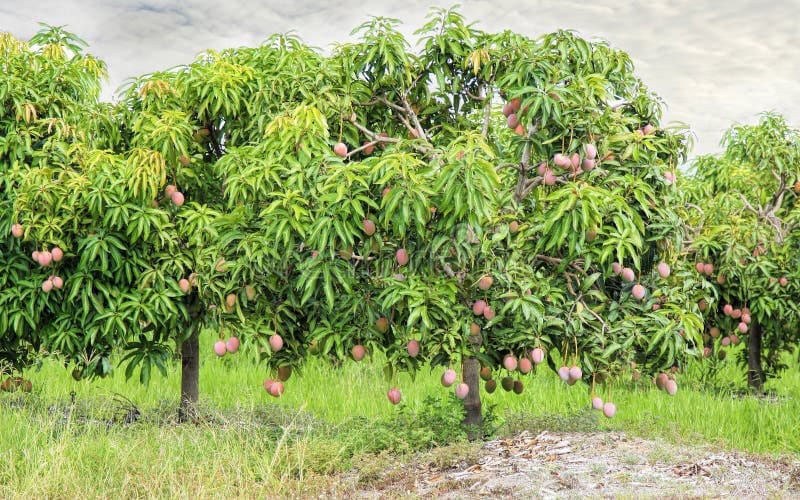
Australia is launching a long-term strategy for the development of organic horticulture, aiming to more than double the value of the sector by 2035. A key role in the program is played by investments in scientific research, breeding, and the introduction of new technologies. For Kazakhstan, this experience is of interest as an example of how a state transforms ecological agriculture into a full-fledged export sector of the economy.
The Gist in Brief
• Australia intends to double the value of the organic horticulture sector by 2035.
• The main focus is on investments in R&D and the commercialization of scientific developments.
• Producers will be helped to increase yields without using traditional chemical plant protection products.
• For Kazakhstan, the strategy shows how organic production can become a driver of agricultural exports.
Science Becomes the Main Growth Tool
Australian authorities and industry organizations are betting not only on expanding the area of organic orchards but also on increasing production efficiency. The central element of the strategy is scientific research and development aimed at combating plant diseases, increasing yields, and reducing production costs.
Special attention is paid to the development of biological plant protection methods, improving soil fertility, and adapting crops to changing climatic conditions. This approach allows producers to maintain the organic status of their products without losing competitiveness.
The Organic Products Market Continues to Grow
In many countries, demand for organic products is growing faster than for traditional food products. Buyers are increasingly paying attention to the origin of products, environmental production standards, and product safety.
Australia plans to use this trend to expand export supplies. The development of organic horticulture is seen not only as an environmental initiative but also as a tool for increasing the added value of agricultural products.
Why This Experience is Interesting for Kazakhstan
For Kazakhstan, the topic of organic production is becoming increasingly important against the backdrop of growing global market interest in environmentally friendly products. The country possesses significant land resources and a relatively low level of chemical load on part of its agricultural lands, which creates potential advantages for the development of the organic sector.
At the same time, the Australian experience shows that success depends not so much on the area of land as on investments in agricultural science, certification, and technological support for producers. It is these factors that make it possible to turn organic agriculture into an export-oriented industry.
Climate Challenges Are Changing the Approach to Production
The development of organic horticulture in Australia is taking place against the backdrop of more frequent droughts, extreme heat, and other climate risks. Therefore, a significant part of the research is aimed at increasing the resilience of agriculture to weather anomalies.
For Kazakhstan, this topic is also becoming relevant. Climate change is increasingly affecting yields, soil condition, and water availability. The search for more sustainable production models is gradually becoming one of the key tasks of agricultural policy.
Author's Conclusion
The Australian strategy shows that modern organic agriculture has long ceased to be a niche direction. Today, it is a high-tech sector based on scientific developments, innovations, and an export orientation. It is significant that Australia is betting not on expanding subsidies, but on creating new knowledge and technologies for farmers.
In Kazakhstan, discussions around the agro-industrial complex are still more often focused on concessional lending, subsidies, and compensations, while issues of agricultural science and the commercialization of research remain in the background. As a result, domestic scientists often create developments that do not reach mass production and do not become a driver of export growth. At the same time, official state documents themselves acknowledge that insufficient funding has long remained one of the factors hindering the development of agricultural science.

Comments ()