Carbon footprint and its sequestration in Kazakhstan
Analyzing net primary productivity (NPP) reveals how much CO₂ biomass has sequestered, shows land efficiency, and is key for climate mitigation strategies and carbon credit management.
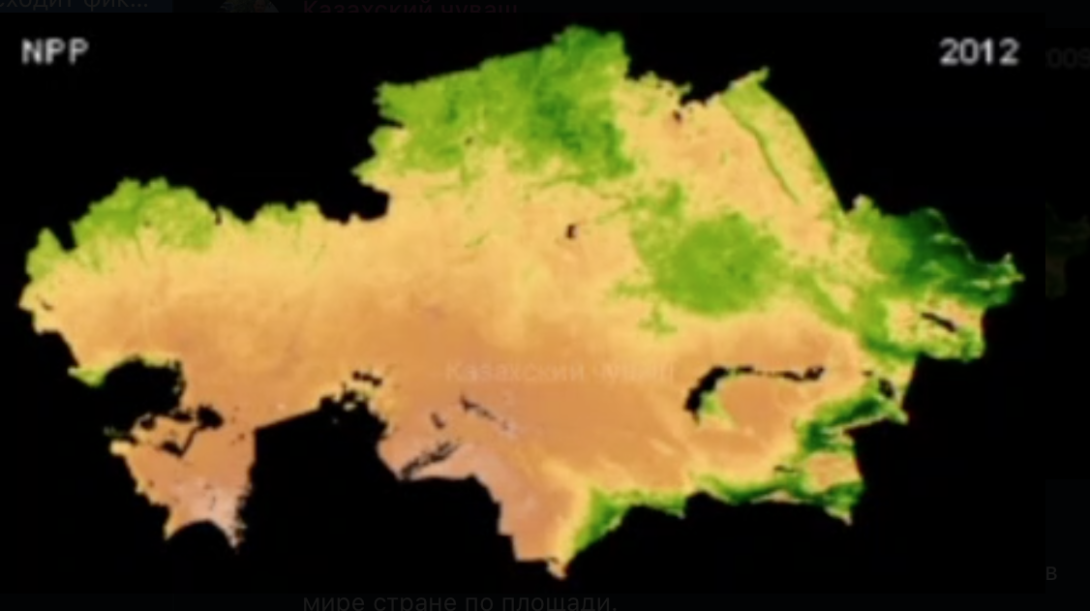
Carbon fixation, carbon credits, and Kazakhstan.
Take a look at how carbon fixation occurs in the world's ninth-largest country by area.
It's not just forests that absorb CO₂ and "store" it in the form of wood, but also swamps, which "pack" sequestered carbon as peat and store it for millennia due to low oxygen levels.
Estuaries and mangroves also play an important role, especially in coastal areas, where they absorb carbon dioxide through photosynthesis and serve as a barrier against erosion and storm surges.
Grasslands, though not as much as forests, also contribute to carbon fixation. The root systems of grasses and soil microorganisms in grassland ecosystems can hold significant amounts of carbon, making them important carbon sinks, particularly in arid and semi-arid regions.
Analysis of net primary productivity (NPP) helps determine how much CO₂ biomass has sequestered. It also provides insight into the efficiency of territories and is key to developing climate change mitigation strategies and managing carbon credits.
The video at the link shows NPP dynamics over the last 20 years. It clearly reveals which regions require the most attention and support.

Comments ()