Carbon levies in the EU could become a source of subsidies for agriculture.
Amid rising fertilizer costs and stricter climate policies, EU countries seek ways to cut emissions while keeping agriculture competitive.
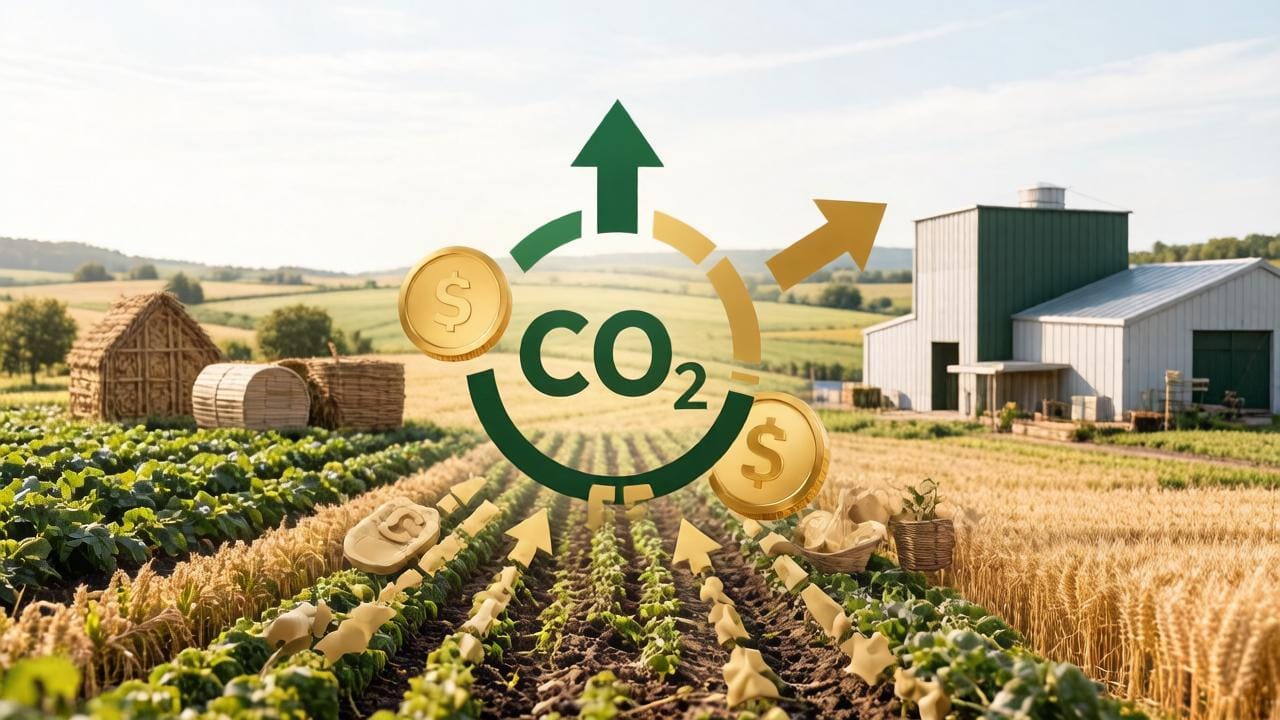
Brussels is considering the possibility of redistributing part of the revenues from carbon payments and environmental fees in favor of farmers who are facing rising production costs.
In Brief
• The EU is discussing using revenues from carbon regulation to support farmers.
• The reason is high fertilizer prices and rising production costs.
• Funds could be directed towards cost compensation and farm modernization.
• For Kazakhstan, this is an example of how climate payments can work for the development of the agro-industrial complex.
Why Fertilizers Are at the Center of the Crisis
European farmers have been facing high fertilizer costs for several years. The production of nitrogen fertilizers directly depends on natural gas, so rising energy prices quickly impact the cost of agricultural products.
Additional pressure comes from the European Union's climate policy. Companies are forced to account for the cost of carbon dioxide emissions, which also affects the prices of agrochemical products.
How Climate Revenues Are Proposed to Be Used
One of the solutions under discussion is directing part of the revenues from carbon regulation to support agriculture. This refers to funds that states receive through climate taxes and emissions trading mechanisms.
It is assumed that this money could be used to compensate part of farmers' expenses on fertilizers, introduce more efficient technologies, and increase the sustainability of agricultural production.
In essence, authorities are trying to return part of the funds collected under climate policy back into the real sector of the economy, which bears additional costs due to environmental requirements.
What This Means for Kazakhstan
For Kazakhstan, the European experience is interesting not only from an agricultural perspective but also as an example of redistributing environmental payments. The country remains a major hydrocarbon producer while simultaneously implementing measures to decarbonize its economy.
The question is how revenues from environmental fees and carbon regulation can be used to support sectors most sensitive to rising costs. The agricultural sector is one such industry, as the cost of fertilizers, fuel, and logistics directly affects food prices.
Author's Conclusion
The European debate shows a shift in the approach to climate policy. While carbon payments were previously seen primarily as a tool for reducing emissions, they are now increasingly used to support sectors under pressure from environmental reforms. For Kazakhstan, this experience could be useful in finding a balance between decarbonizing the economy and maintaining the competitiveness of the agro-industrial complex.
Comments ()