China bets on speed: first new-generation pumped storage hydropower plant to be equipped with unique spherical valve
China has started building a 500 MW pumped storage plant, set to be the world’s first next-gen facility with an innovative high-speed spherical valve.
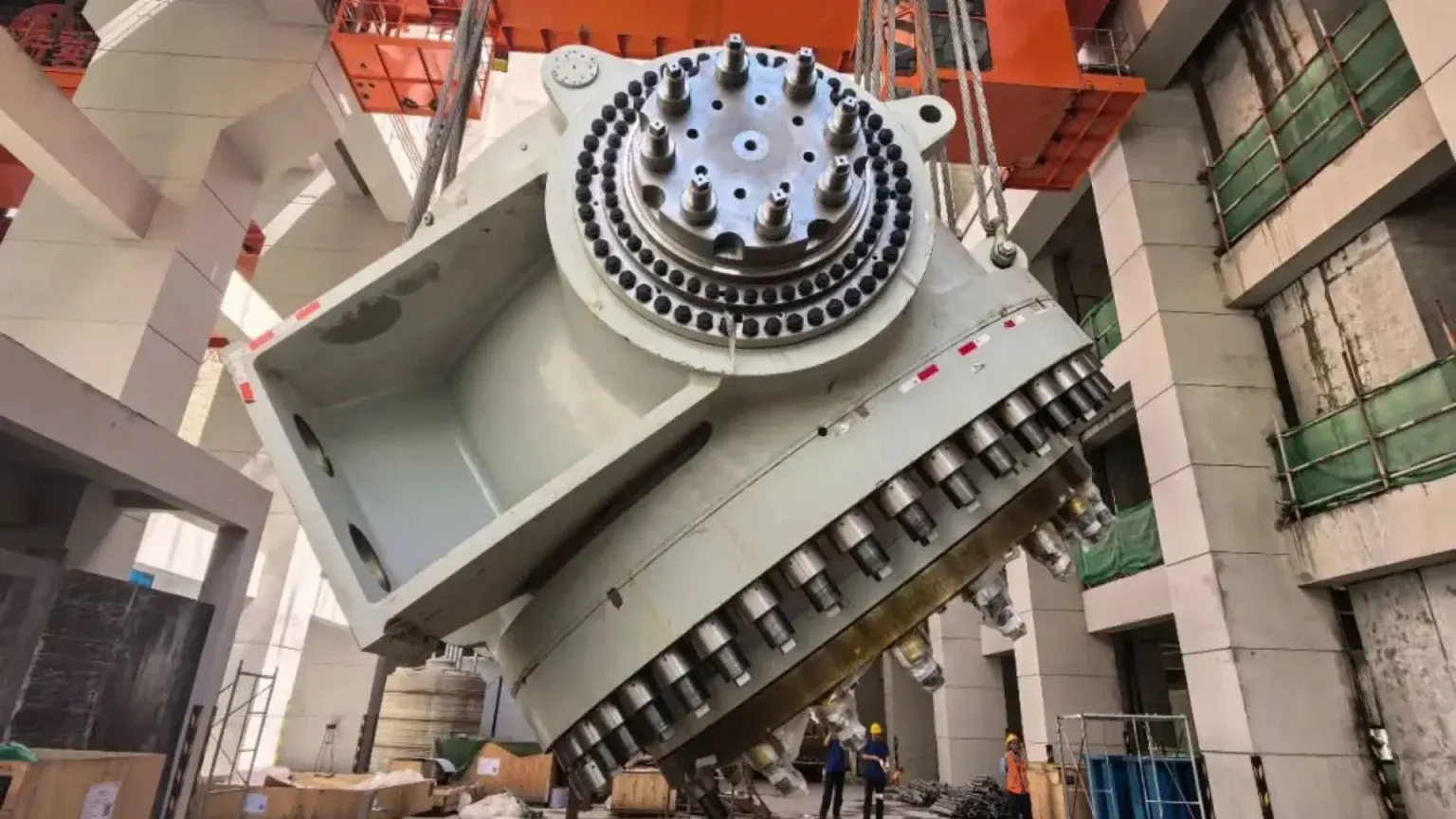
A new valve will allow units to switch between energy storage and generation modes much faster, which is especially important for power systems with a high share of solar and wind generation, writes IT community.
In Brief
· China is building a pumped storage hydropower plant (PSHP) with a capacity of 500 MW featuring a unique next-generation spherical valve.
· The valve will significantly accelerate the transition of hydro units between operating modes.
· The new technology will enhance the stability of power systems with a large number of solar and wind power plants.
· In addition to speed, the development reduces the risk of water hammer and extends equipment service life.
· The project could mark a new stage in the development of pumped storage hydropower.
The Main Innovation is Not the Station, But Its "Heart"
Pumped storage hydropower plants have long been considered the world's largest electricity storage systems. Their operating principle is well known: during periods of low demand, pumps lift water to an upper reservoir, and during peak consumption, the water flows back down through turbines, generating electricity.
However, the Chinese project is distinguished not by its operating principle, but by its new equipment.
The key element of the station will be an ultra-fast spherical valve installed directly in front of the hydro turbine.
It provides significantly faster water flow control compared to traditional solutions and allows the hydro unit to change its operating mode almost instantly.
How the Spherical Valve Works
In terms of design, the device is a massive metal ball with an internal through channel. The valve has a width of 2.9 m and is designed to operate at a pressure of 9 MPa. It consists of several main parts: a large body, a small body, a disc, and a shaft. When assembled, the valve body weighs over 300 tons.
In the open position, the channel aligns perfectly with the pipeline, allowing water to flow freely to the turbine.
When the flow needs to be stopped, the ball rotates 90 degrees, blocking the water flow almost instantly.
At first glance, the solution seems simple, but its implementation is extremely complex.
The valve must withstand enormous water pressure, maintain absolute tightness, and operate reliably even after thousands of opening and closing cycles.
This is why creating such devices is considered one of the most challenging engineering tasks in hydropower.
Why Speed Becomes Critically Important
Modern energy is changing rapidly.
While coal, gas, and hydroelectric plants once formed the backbone of generation, solar and wind power plants are playing an increasingly important role today.
However, their operation depends on the weather.
Sufficient cloud cover or a change in wind speed can cause electricity generation to fluctuate sharply in just a few minutes.
For the power system to remain stable, it needs sources capable of compensating for emerging deficits or surpluses of power just as quickly.
This is precisely the task the new spherical valve is designed to solve.
Thanks to rapid water flow control, hydro units will be able to start, stop, and change load much faster, ensuring more flexible operation of the entire power system.
Additional Effect — Equipment Protection
The new design provides more than just increased speed.
When the operating mode of hydroelectric plants changes abruptly, a dangerous phenomenon occurs — water hammer, where pressure in the pipelines rises sharply and can damage equipment.
The developers claim that the fast-acting spherical valve significantly reduces such loads.
This improves the safety of station operation, reduces wear on hydro units, and extends the service life of expensive equipment.
Why China is Betting on Pumped Storage Hydropower
China remains the world leader in the construction of pumped storage hydropower plants.
At the same time, the country is actively developing solar and wind energy, so it needs technologies capable of quickly balancing the power system.
According to the International Hydropower Association (IHA), pumped storage plants currently provide over 90% of the world's electricity storage capacity.
China expects that the new generation of PSPPs will not only store energy but also respond to load changes faster than existing facilities.
What This Means for Kazakhstan
For Kazakhstan, the development of such technologies is of practical interest.
The number of solar and wind power plants in the country is gradually increasing, and along with this comes a growing need for modern power system regulation systems.
Previously, Hunn.kz reported on how China plans to use artificial intelligence to manage nuclear energy.
Furthermore, Hunn.kz has covered in detail the construction of the largest hydropower projects in Central Asia, including Kambar-Ata-1, which could play an important role in ensuring regional energy stability.
China's experience shows that further development of renewable energy is impossible without the emergence of more flexible and highly maneuverable facilities for storing and regulating electricity.
Author's Conclusion
The Chinese project demonstrates that the future of energy is determined not only by the construction of new power plants but also by the improvement of equipment that makes them more flexible. A fast-acting spherical valve may not seem as impressive as a giant dam or a new turbine, but it is precisely such engineering solutions that allow power systems to respond faster to load changes and utilize renewable energy sources more efficiently. If the technology confirms its stated characteristics, it could become a new industry standard for pumped storage hydropower plants.


Comments ()