Coal-fired power plant to be built in Kurchatov for Kazakhstan's tokamak
The city long tied to nuclear testing, then to cleanup, will get its own major power plant.
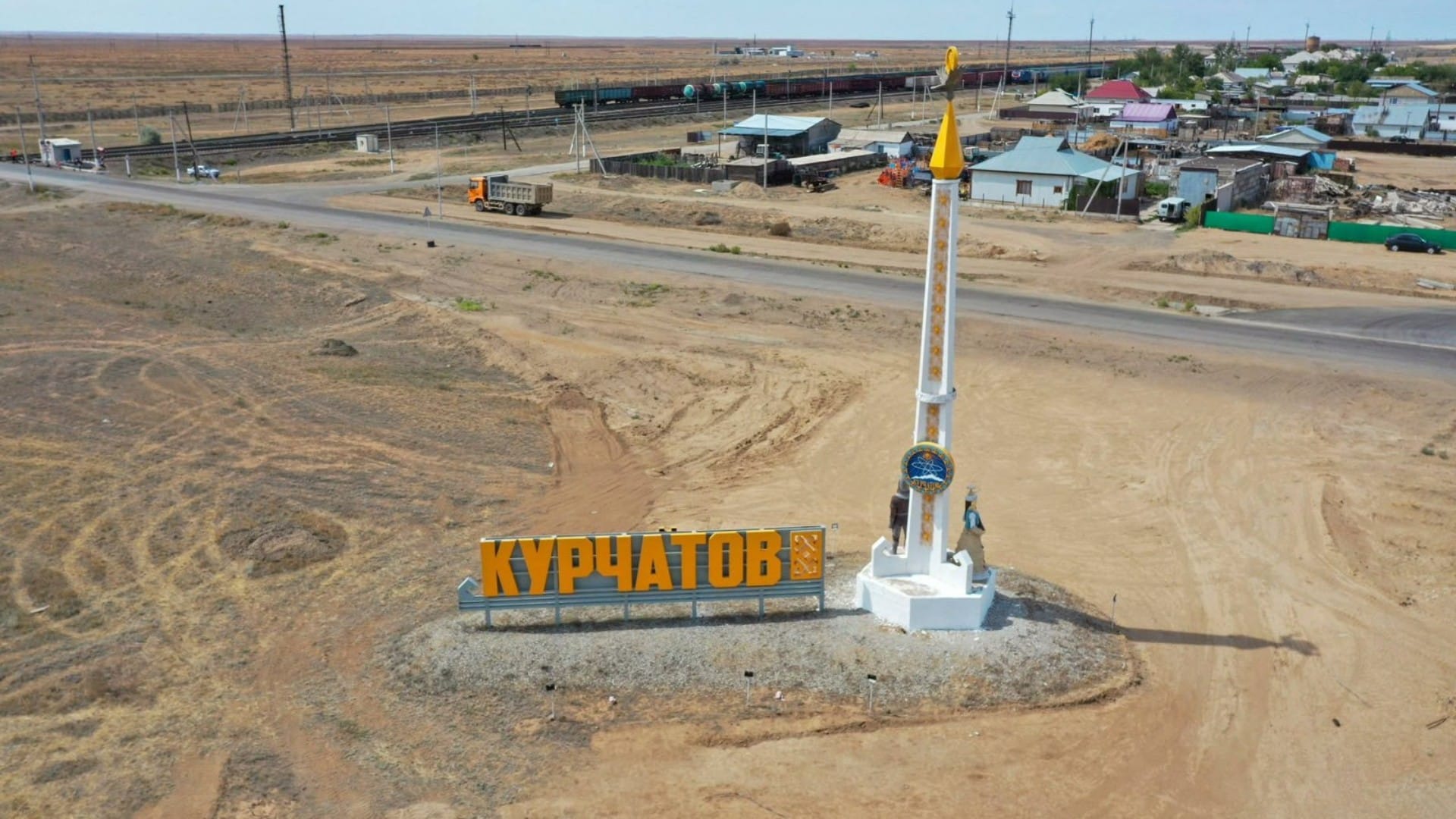
The reason is not residential development, but the unique concentration of scientific infrastructure: Kurchatov needs reliable energy to power reactors, laboratories, and the only fusion tokamak in Central Asia.
The gist in brief
- The Government of Kazakhstan has approved an investment agreement for the construction of a coal-fired condensing power plant with a capacity of 700 MW in Kurchatov, Abai Region, — the resolution was signed by Prime Minister Olzhas Bektenov.
- The plant will feature two power units of 350 MW each, with phased commissioning until 2032; once at full capacity, it will be able to generate up to 5 billion kWh of electricity per year and create about 4,400 jobs.
- Investments in the project are estimated at 881 billion tenge; the decision was made in pursuance of President Tokayev's instructions on developing coal-fired generation.
- The plant is expected to provide additional capacity to Kurchatov, which hosts the National Nuclear Center, the Nuclear Technology Park, research reactors, and the Kazakhstani fusion tokamak KTM.
Why Kurchatov needs its own plant
Kurchatov is a rare example in Kazakhstan of a city whose economy and infrastructure are built almost entirely around scientific activity. The investment agreement has been concluded between the Ministry of Energy of the Republic of Kazakhstan and LLP "GRES Kurchatov" — it is this company that will implement the project. In addition to the National Nuclear Center and the Nuclear Technology Park, the city operates research reactors, specialized laboratories, and the KTM tokamak — an experimental facility for fusion research. Such a concentration of energy-intensive scientific facilities creates a demand for electricity that significantly exceeds the typical needs of a city of comparable size, and the new plant is intended to provide not just additional capacity, but a reliable energy base for the further expansion of scientific, industrial, and urban infrastructure.
"Clean coal" technologies
The plant is planned to be equipped with modern steam-power equipment capable of operating at elevated temperatures and pressures, as well as gas cleaning systems, emission filtration, and dust suppression systems. The project is explicitly positioned as the implementation of "clean coal" technologies, and the equipment must comply with the Environmental Code and the requirements of best available techniques. This aligns with the direction we have already noted in policy documents: Kazakhstan is not abandoning coal-fired generation but is betting on more environmentally friendly technologies for its use, rather than simply increasing raw coal combustion.
Kurchatov — not just a testing ground of the past
The construction of a large modern power plant in Kurchatov is a symbolic step for a city with a difficult history. We have already written that Kazakhstan has completed the demarcation of the Semipalatinsk nuclear safety zone, allocating almost 10,000 sq. km of land whose safety has been confirmed by scientific research and which can now be returned to economic use. The new plant logically continues this transformation — Kurchatov is gradually evolving from a territory associated exclusively with the consequences of last century's nuclear tests into a functioning center of advanced nuclear and fusion research, which requires modern energy infrastructure rather than merely the legacy of the Soviet past.
Author's conclusion
The power plant in Kurchatov is an example of how energy infrastructure is built around a territory's specific scientific specialization, rather than the other way around. For a city that concentrates a significant share of Kazakhstan's nuclear and fusion research potential, including the experimental KTM tokamak, reliable power supply is no less important a condition for development than the funding of the research itself. The phased commissioning until 2032 and the creation of 4,400 jobs show that the project is viewed not as a one-off investment but as a long-term bet on Kurchatov's continued growth specifically as a scientific center.
Comments ()