Development of one of Mongolia's largest coal deposits has begun in the Gobi.
Mongolia has launched development of the Borteeg deposit in the Gobi Desert, calling it one of the largest coal projects in recent years.
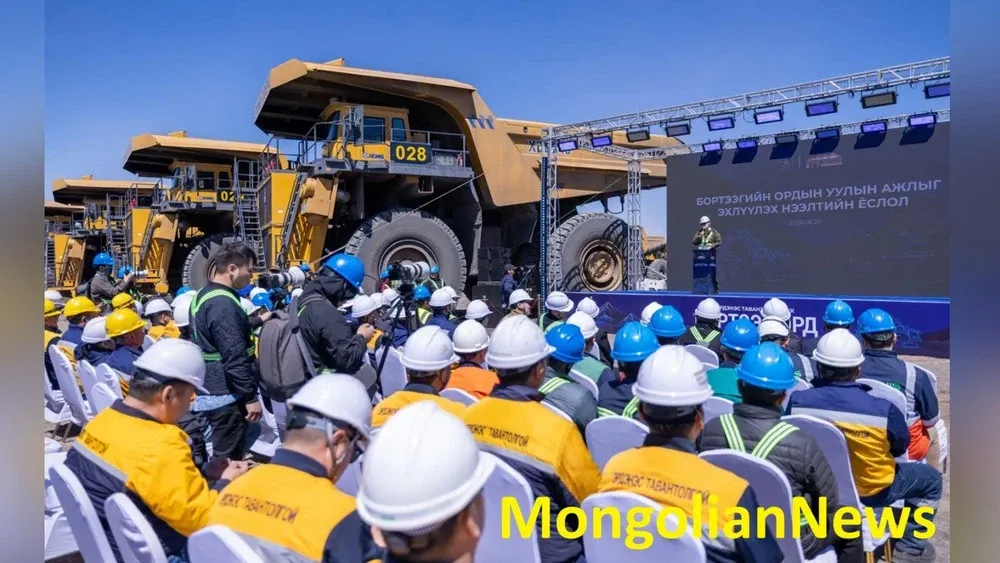
Launching production could significantly strengthen the country's position in the global coal market and increase exports to China.
In Brief
· Mongolia has officially started developing the Borteeg deposit.
· Reserves are estimated at 424.2 million tons of coal.
· The design capacity is up to 15 million tons of production per year.
· Over the first ten years, Mongolia's budget could receive about 4.4 trillion tugriks in tax revenue.
· China will remain the primary sales market.
A New Stage for Tavan Tolgoi
The Borteeg deposit is part of the largest Tavan Tolgoi coal cluster, located in the Umnugovi aimag. The official launch of the project took place on June 20 with the participation of Mongolia's Prime Minister Ukhnaagiin Khürelsükh, reports vstime.ru.
According to Mongolian authorities, Borteeg contains over 424 million tons of coal reserves and can produce up to 15 million tons annually. For Mongolia, this is one of the largest projects brought into development in recent years.
Focus on Exports and the Budget
In Ulaanbaatar, it is estimated that in just the first decade of operation, the project will bring about 4.4 trillion tugriks in taxes and payments to the state and local budgets. It is also expected to create over 1,500 jobs.
Authorities are paying special attention to the participation of national contractors in coal mining, drilling, and transportation. According to government estimates, a significant portion of the added value created should remain within the country.
Like most Mongolian coal projects, Borteeg is primarily oriented towards the Chinese market. Proximity to the border allows Mongolia to maintain competitive advantages over more distant raw material suppliers.
In fact, the development of Tavan Tolgoi strengthens Mongolia's role as one of the most important suppliers of coking coal for China's steel industry. This is especially relevant against the backdrop of growing steel consumption and infrastructure projects in the PRC.
What This Means for Kazakhstan
This news is interesting for Kazakhstan for several reasons.
First, Mongolia and Kazakhstan operate in the same raw material markets of Eurasia and largely compete for the attention of Chinese buyers.
Second, Mongolia continues to actively increase mineral extraction, turning mineral resources into the foundation of economic growth. In addition to coal, the country is simultaneously developing major copper and uranium mining projects in the Gobi.
Third, the launch of Borteeg shows that countries in Central and East Asia are betting on resource exports even amid the global "green" agenda. Despite talk of decarbonization, demand for coal in Asia remains high, and new deposits continue to be brought into operation.
Author's Conclusion
The launch of Borteeg demonstrates Mongolia's pragmatic approach to economic development. While developed countries discuss abandoning fossil fuels, Ulaanbaatar is betting on resources that already bring real income to the budget. For Kazakhstan, this story serves as a reminder that the competition for raw material markets in Asia is only intensifying, and its closest neighbors have no intention of giving up their natural advantages.
Comments ()