FAO: 60 million people in Europe and Central Asia cannot afford a healthy diet — and Kazakhstan is at risk
The UN FAO released a new regional report on food security and nutrition in Europe and Central Asia.
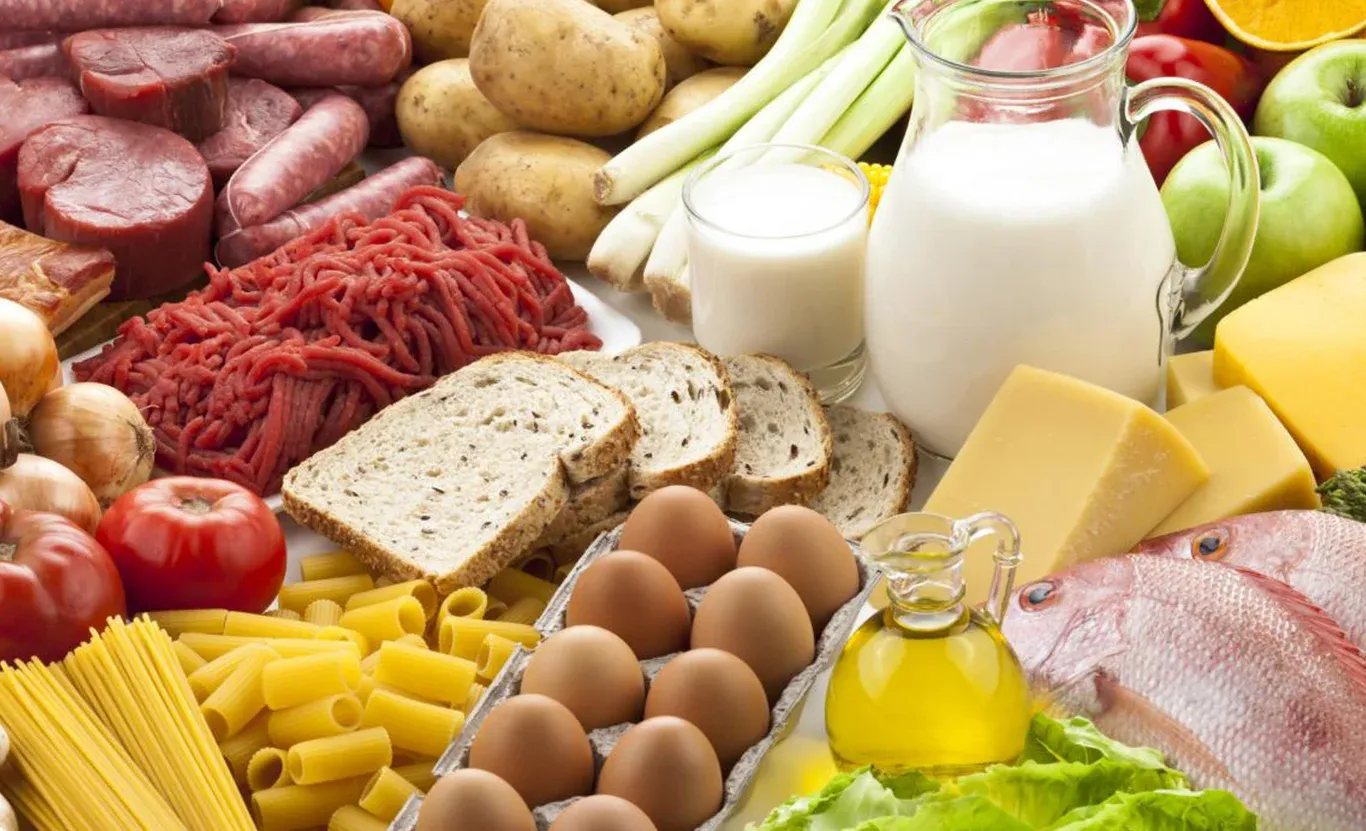
The overall picture is mixed: undernourishment in the region remains at historically low levels, yet access to healthy food remains a serious problem for tens of millions of people. Central Asia is the only subregion where undernourishment exceeds the threshold, and 14% of the population cannot afford a healthy diet.
In Brief
- In 2024, 59.6 million people in the Europe and Central Asia region could not afford a healthy diet — 3.1 million fewer than in 2023. Progress is being made, but it is slow.
- Central Asia is the only subregion where the prevalence of undernourishment exceeds the threshold of 2.5%, standing at 2.8%. For the region as a whole, it is below 2.5%, significantly better than the global average of 8.2%.
- 14% of Central Asia's population and 15% of the Caucasus population cannot afford a healthy diet — the worst indicators in the region.
- Obesity among adults rose from 16.7% in 2000 to 22.6% in 2022 — significantly higher than the global average of 15.8%. Overweight among children under five stands at 7.5%, higher than the global rate of 5.5%.
- Anemia among women aged 15–49 in the region increased from 17.6% in 2012 to 21.3% in 2023. In Central Asia and the Caucasus, this rate has exceeded the global average of 30.7%.
The Region's Paradox: Enough Food, But Not for Everyone
The Europe and Central Asia region as a whole is one of the most prosperous in the world in terms of food security indicators. Hunger in the classical sense is not a systemic problem here. However, a FAO report identifies another, less obvious gap: between the availability of food and access to nutritious, diverse, healthy food.
Nearly 60 million people in the region are not formally hungry, but they also cannot eat properly — due to rising food costs, income inequality, and structural differences between subregions. This is a fundamentally different challenge than fighting hunger — and requires different policy tools.
Central Asia: The Lagging Subregion
Central Asia remains the most vulnerable part of the region across several key indicators simultaneously. Undernourishment here is above the threshold — unlike any other subregion. Access to healthy food is limited for one in seven residents. Anemia among women exceeds the global average.
FAO Deputy Director-General Viorel Gutu directly stated the problem: "Increased costs, uneven access to nutritious foods, and persistent disparities between subregions require coordinated efforts."
The Double Burden: Hunger and Obesity Simultaneously
One of the key trends in the report is the so-called "double burden of malnutrition": the simultaneous prevalence of nutrient deficiencies and excessive calorie intake. The region as a whole — and Central Asia in particular — shows rising obesity alongside persistent anemia. This is not a contradiction but a pattern: cheap, high-calorie food with low nutritional value leads to excess weight while causing deficiencies in iron, vitamins, and micronutrients.
The prevalence of obesity among adults in the region grew from 16.7% to 22.6% over 22 years — a pace exceeding the global average. Overweight among children under five — 7.5% — is also above the global norm. This is a systemic signal about the quality of food systems, not just the quantity of available food.
The Kazakhstan Context
Kazakhstan is part of the Central Asia subregion, whose indicators the FAO report highlights as the most problematic. The country is simultaneously one of the largest producers of grain and livestock products in the region — and yet records rising obesity, anemia among women, and limited access to healthy food for a significant portion of the population.
The gap between the status of an agricultural producer and the population's nutritional quality indicators is a typical problem for countries with a commodity-based agricultural structure: grain and meat are exported, while the domestic market is saturated with cheap processed products. This is where the topics we have already discussed intersect: export quotas for beef, the development of processing, preferential lending for agriculture — all these measures ultimately affect not only trade indicators but also what ends up on the table of a Kazakh family.
Author's Conclusion
The FAO report reminds us that food security is not just the absence of hunger, but also the availability of affordable, healthy food. Central Asia, including Kazakhstan, produces enough food — but does not ensure its equitable distribution and accessibility for all segments of the population. The solution lies not only in agricultural policy but also in income policy, pricing, and food education. Without this, production growth will remain a figure in a report, not food on the table.

Comments ()