France recalls pumpkin seeds after 80 cases of salmonellosis
Salmonella is usually linked to raw meat, eggs, and dairy, but an outbreak in France shows plant-based foods pose just as much risk.
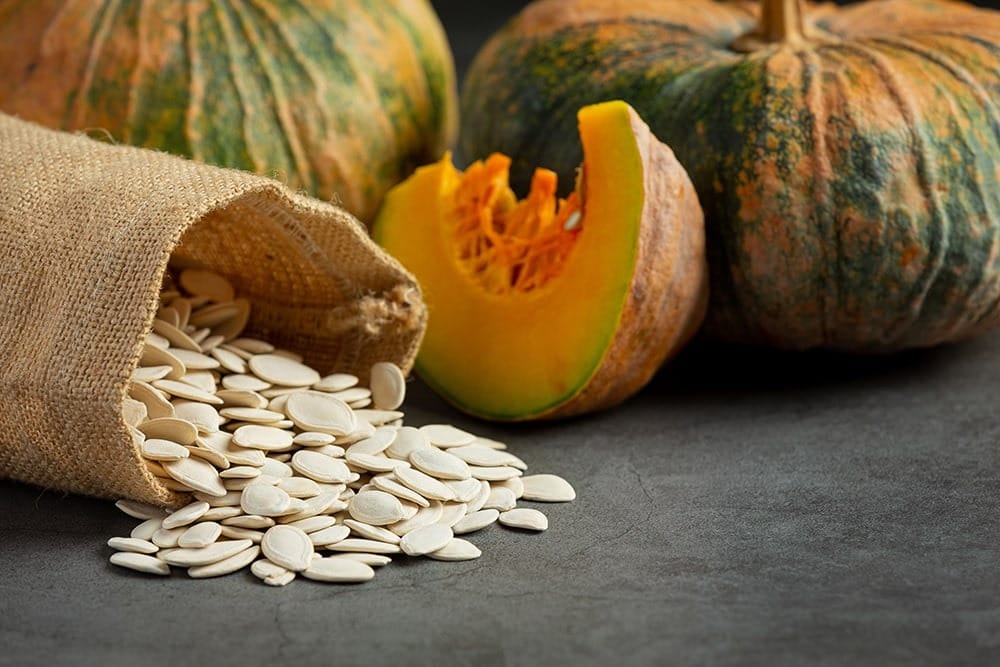
From May to August, dozens of people fell ill after consuming regular pumpkin seeds, Euronews reports.
The gist
- In France, from May to August, 81 people fell ill with salmonellosis after consuming pumpkin seeds — six were hospitalized, and two more sought emergency care.
- The source of the outbreak is the production of a processing plant in the Lot-et-Garonne department, sold mainly through the Grand Frais chain and several other supermarket chains; contaminated batches have already been recalled.
- The investigation has not yet established the exact source of contamination at the plant itself; about 198 thousand cases of salmonellosis are registered in France annually, of which about 183 thousand are linked to the foodborne transmission route.
- Meanwhile, a separate outbreak linked to eggs from a single poultry farm continues in Belgium — up to 2 million potentially contaminated eggs may have reached the Belgian and Luxembourg markets, with at least 312 people already infected.
Plant-based products as a source of salmonella
France's ministries of health and agriculture have confirmed that all interviewed patients showed a favorable progression of symptoms and were discharged home. The illness itself typically manifests as diarrhea, fever, and cramping abdominal pain, and is more severe in young children, pregnant women, immunocompromised individuals, and the elderly. Authorities clarified that if no symptoms appear within seven days of consuming the product, seeing a doctor is generally not required. The pumpkin seed case serves as a practical reminder that salmonella can infect not only animal products but also plant-based foods if sanitary standards are violated at any stage of processing or storage.
Parallel outbreak in Belgium
France is not the only European country to face salmonellosis this summer. In Belgium, as of September 2, an outbreak linked to eggs from a single poultry farm has affected at least 312 people, and the number of victims may still rise, as many people experience mild symptoms or are entirely asymptomatic and do not get tested. The coincidence in timing of two independent outbreaks in neighboring countries, albeit with different sources of infection, shows that food safety risks traditionally increase in summer — warm weather accelerates bacterial growth at all stages of the supply chain.
Author's conclusion
The pumpkin seed story logically continues the theme we already examined this summer using the example of contaminated salad in the United States — the modern food chain is globalized and complex enough that even a familiar, seemingly safe plant-based product can become a source of mass infection. Both outbreaks — the French and the Belgian — show that regular quality control at the processing stage remains not a formality but a necessary condition, without which a single contaminated source can lead to dozens and hundreds of cases of illness almost simultaneously.

Comments ()