Giant mining and processing plant for 75 million tons of ore per year is being built in Kazakhstan
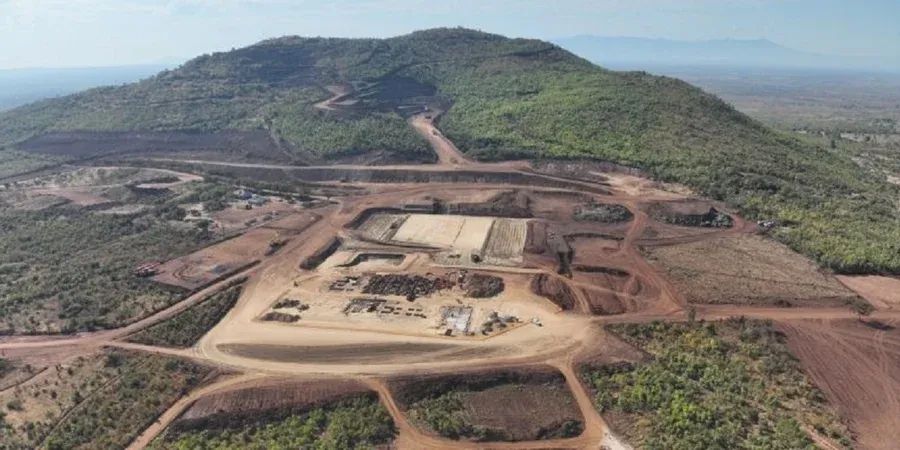
One of the country's largest mining projects in recent years is unfolding in the Abai Region.
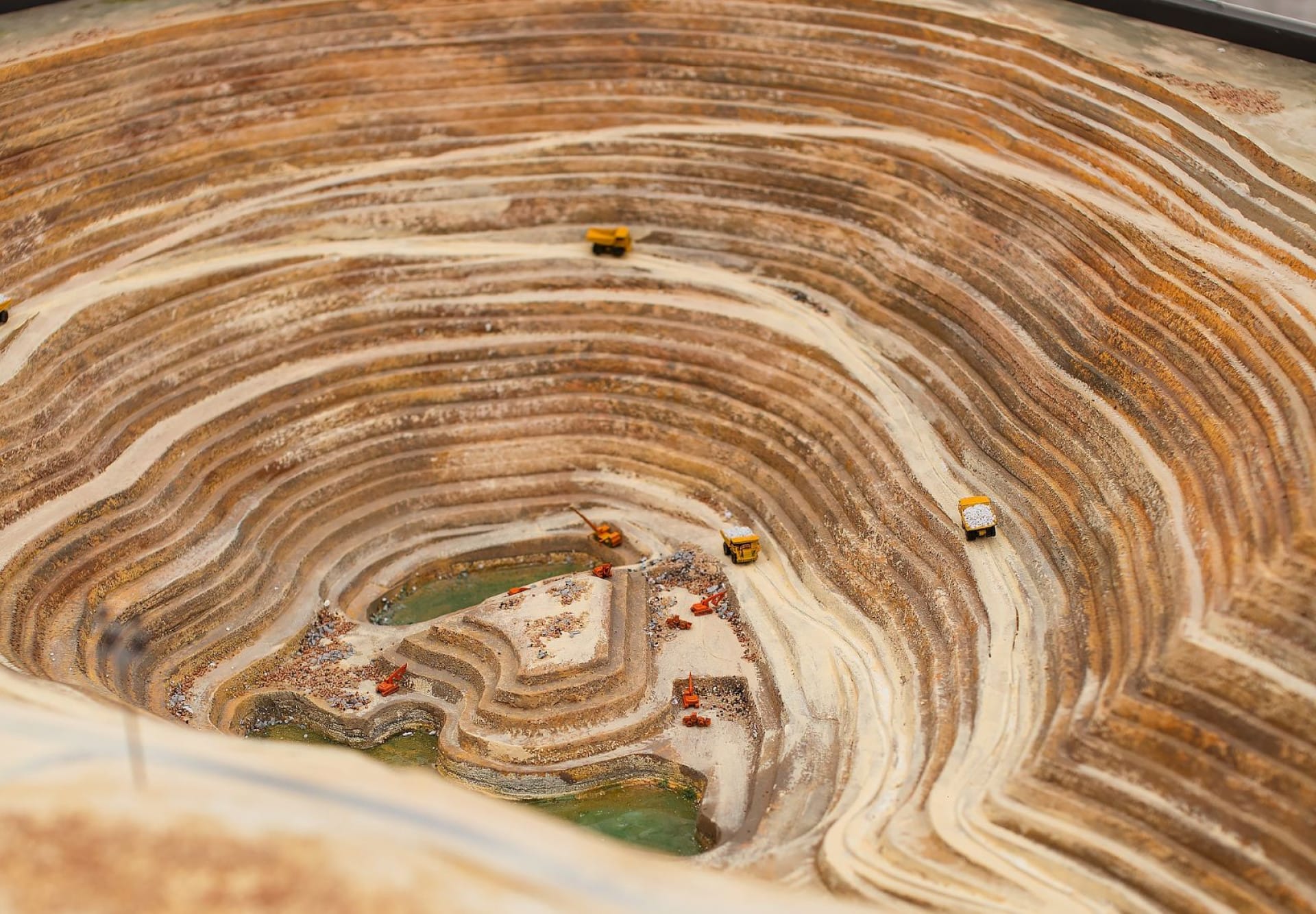
The “Aidarly” processing plant, once it reaches full capacity, will be able to process more ore per year than many operating Kazakh enterprises process over several years combined, DigitalBusiness reports.
The essence in brief
- In the Ayagoz district of the Abai region, the “Aidarly” mining and processing plant is being built with a capacity of up to 75 million tons of ore processing per year — the project is being implemented by Aidarly Mining LLP, and construction officially began in July 2026.
- The final products are copper and molybdenum concentrates: after reaching design capacity, the plant will be able to produce about 226 thousand tons of copper and 3,550 tons of molybdenum in concentrates annually.
- The “Aidarly” deposit is a copper porphyry deposit developed by open-pit mining; its reserves are estimated at 1.8 billion tons of sulfide ore containing about 6.7 million tons of copper and 181.7 thousand tons of molybdenum.
- The project will create more than 3 thousand jobs; the exact cost of the project has not yet been officially disclosed by the company.
Three phases of one project
The plant’s production scheme is planned to be implemented in stages — in three phases, each designed to process 25 million tons of ore per year. The complex will include an open pit, a crushing complex, a processing plant, as well as energy, transport, engineering, and rotational camp infrastructure. The exact launch date of the enterprise and the timeline for reaching design capacity have not yet been determined — the company clarified that the deadlines previously mentioned in public materials will be adjusted.
A deposit with a half-century history
“Aidarly” is not a new discovery: the deposit was found back in 1974, and in 1985 its reserves were placed on the state balance sheet of the USSR. Since then, it remained undeveloped for decades until it turned into one of Kazakhstan’s largest current mining projects. Such a gap between the discovery of a deposit and the start of its industrial development is common for large ore objects: the economic viability of such projects depends heavily on world prices for copper and molybdenum, the availability of processing technologies, and investors’ willingness to invest significant funds for years ahead without immediate returns.
Connection to the topic we have already covered
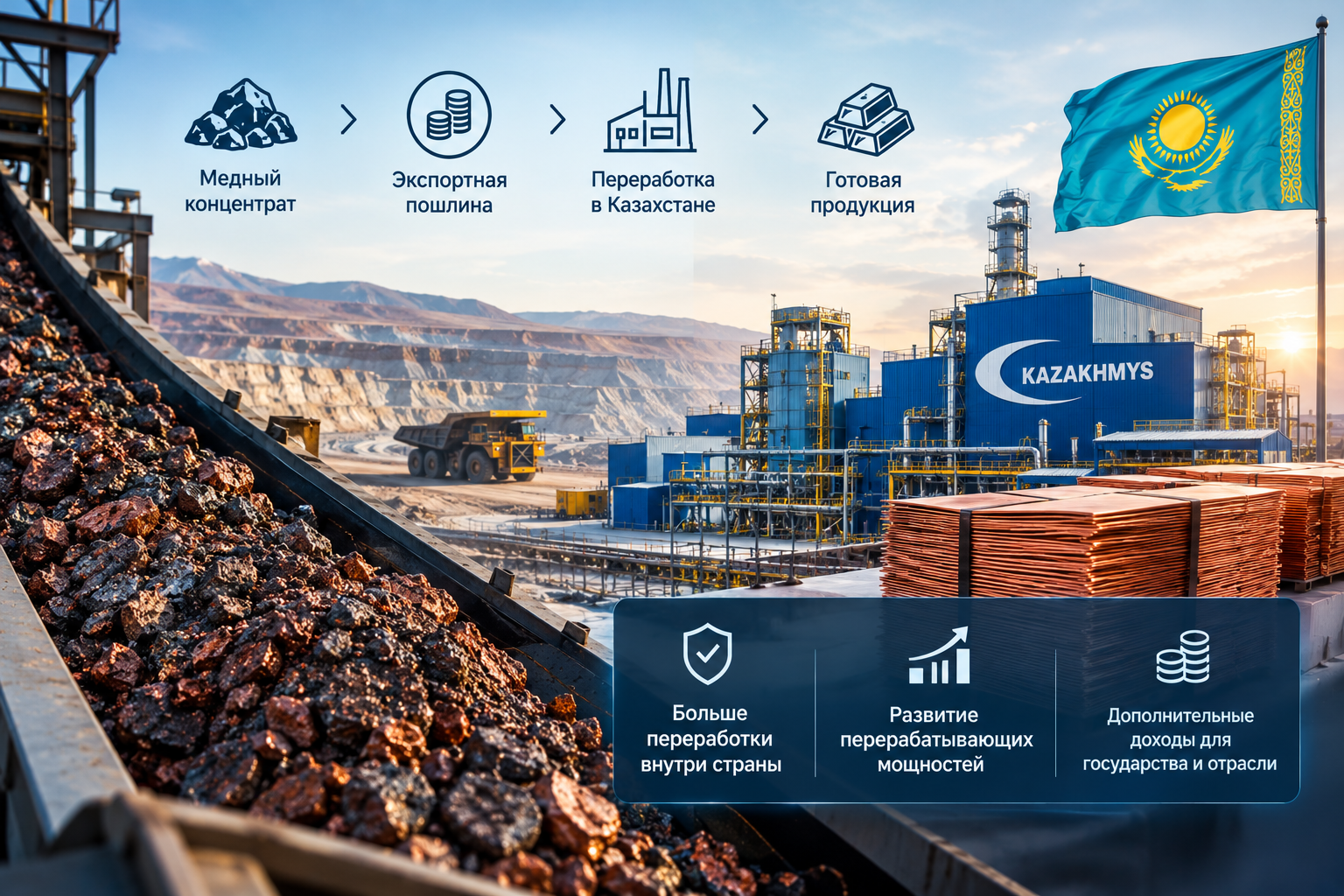
The place of “Aidarly” on Kazakhstan’s mineral resource map is already familiar to us: just the other day we wrote that the deposit is among the country’s largest sources of molybdenum along with Koktenkol, Verkhne-Kayraktinsky, and Severny Katpar in the Karaganda region — in the context of Kazakhstan’s efforts to move from simple export of rare metals to their deeper processing within the country. The construction of the “Aidarly” plant is a concrete practical step in precisely this direction: instead of exporting raw ore, the country will gain processing capacity producing finished copper and molybdenum concentrate directly at the mining site.
Author’s conclusion
A project of this scale — 75 million tons of ore processing per year, more than 3 thousand jobs, three consecutive construction phases — indicates a long-term bet by investors on Kazakhstan’s copper-molybdenum industry, rather than a one-off development of a separate subsoil area. At the same time, the absence of exact launch dates and the officially undisclosed cost of the project serve as a reminder: the construction of mining and processing plants of this size stretches over years, and the parameters publicly announced at the start are often adjusted during implementation. The real test of the project will begin not with the laying of a commemorative capsule, but from the moment the first phase actually reaches its declared capacity.
Comments ()