Malawi begins mining at one of the world's largest rare earth metal deposits
An Australian company is launching a rare earth mining project in East Africa that was supposed to start several years ago.
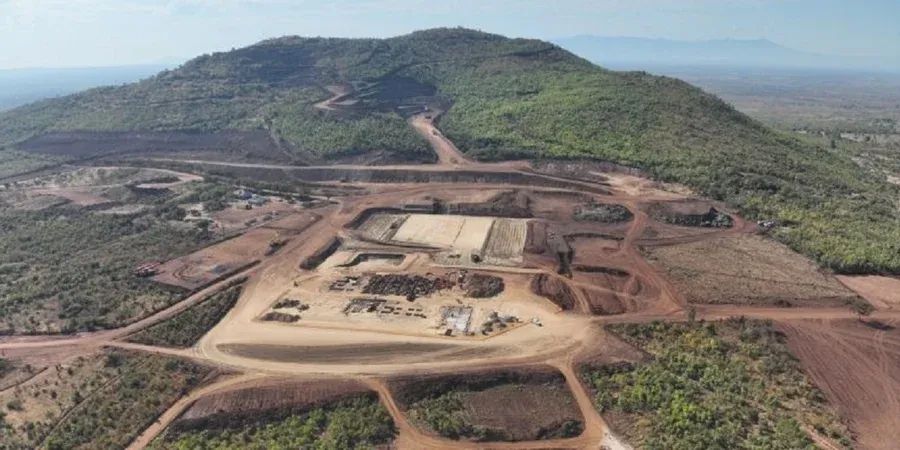
Lindian Resources promises to extract its first ore before the end of the year — and has already found buyers for future production, Bloomberg reports .
The bottom line in brief
- Australian Lindian Resources is preparing to begin mining at the Kangankunde deposit in Malawi by the end of 2026 — mineral resources are estimated at 261 million tonnes of ore with a rare earth oxide content of 2.14%.
- Projected capacity is 500,000 tonnes of monazite concentrate per year from the ore body and 20,000 tonnes of purified concentrate after processing; in parallel, a second-stage feasibility study is being prepared with the aim of increasing concentrate output to 120,000 tonnes per year.
- According to World Bank estimates, from 2026 to 2040 Malawi could receive up to $30 billion from mineral resource exports, with rare earth elements taking a central place — for a country where agriculture currently accounts for 80% of export revenue, this is a chance for structural diversification of the economy.
- Lindian Resources already has offtake agreements ensuring sales of its products on international markets.
Why the launch was delayed, and why it has now accelerated
Lindian Resources Chief Executive Officer Zac Komur explained the situation without embellishment: "We are currently carrying out construction and will begin mining before the end of the year."
According to him, mining should have begun many years ago, but it was the current team that took the initiative to bring the project from an idea to the production stage. Behind the terse wording is a story typical of the mining industry — large rare earth projects often get stuck for years at the financing and permitting stage before finding an operator capable of seeing them through to completion.
Part of the broader geopolitics of rare metals
The Malawi project is not an isolated case, but one of several similar launches in recent months aimed at reducing global supply chains' dependence on a single dominant supplier. In parallel, Europe's largest rare earth metals deposit is being prepared for development after 2030, and the U.S. State Department has announced support for a project at the Ampasindava deposit in Madagascar — part of a broader strategy to weaken dependence on competitors in critical minerals supply chains. Rare earth elements are used in the widest range of modern technologies — from smartphones and cars to data centers, which explains the simultaneous interest of several countries and investors in new sources of raw materials outside already established suppliers.
The link to Kazakhstan's critical minerals cluster
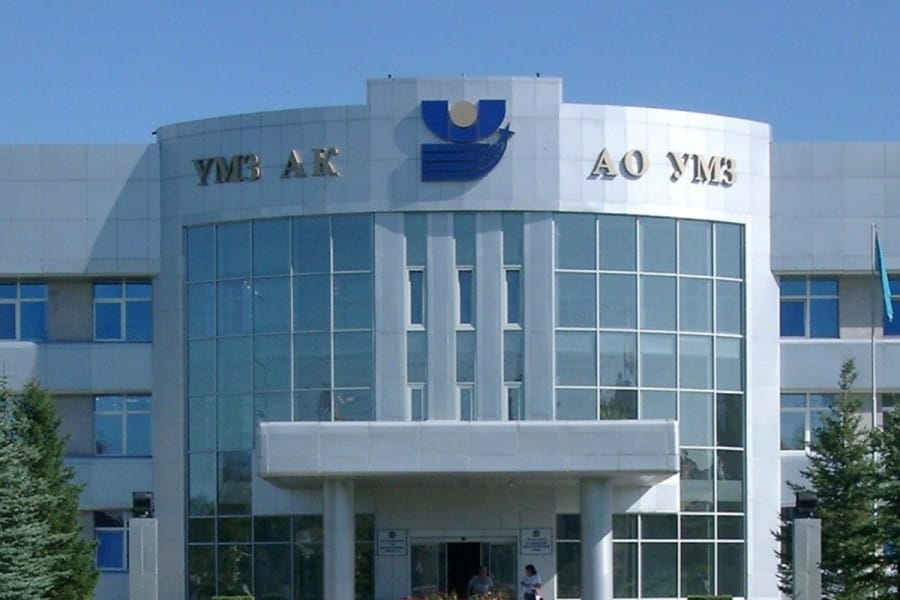
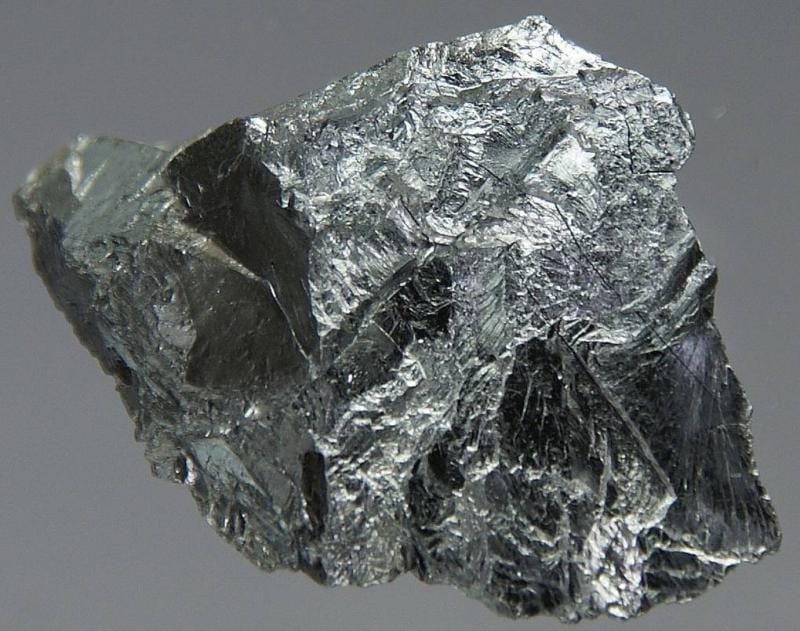
The Malawi case is part of the same global picture that we have already examined with regard to Kazakhstan: the country is simultaneously advancing several critical minerals projects at once — from the Boguty tungsten deposit, which has entered the ranks of the world's largest, to geological exploration for beryllium, tantalum and niobium being launched by the Ulba Metallurgical Plant in the Karaganda region. Kazakhstan has also joined the global technology alliance Pax Silica, directly stating its intention to move beyond the role of a mere raw materials supplier. The global race for new sources of critical minerals, illustrated by Kangankunde, is exactly the context in which such Kazakh projects acquire strategic significance: the more actively countries like Malawi, Madagascar and European states expand their own mining, the more important it is for Kazakhstan not to fall behind in the competition for a share of this rapidly diversifying market.
Author's conclusion
The Kangankunde story shows the typical path of such projects — from years of delays to a sharp acceleration as soon as a team ready to see it through to production is found, along with buyers ready to contract future output in advance. $30 billion in potential export revenue for Malawi is an estimate that has yet to be confirmed in practice, but the very fact that the World Bank frames it specifically in terms of rare earth elements rather than traditional agriculture shows how quickly economic priorities are shifting in countries with such resources. For Kazakhstan and other participants in this global race, the real question is not whether new sources of rare metals will appear on the world market, but how quickly existing and new projects can turn geological potential into stable export flows and jobs.
Comments ()