Google to buy all electricity from one of the largest solar plants in the US
Google has signed a deal to buy all electricity from the upcoming Steel River Energy Center solar farm in Arkansas.
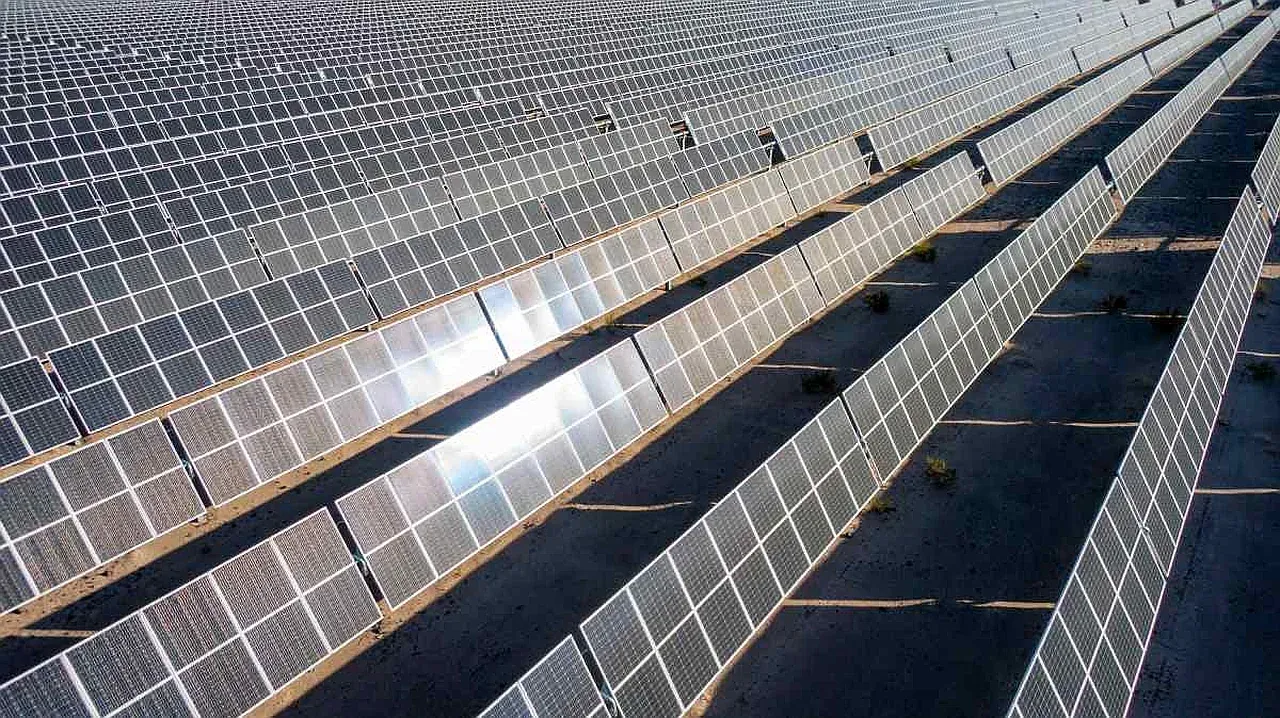
The project with a capacity of up to 2.5 GW will become one of the largest in the United States and will help the company offset the growing energy consumption of its data centers, although experts continue to debate the effectiveness of such agreements, Servernews reports.
The Gist
· Google has signed a long-term agreement to purchase all the energy from the Steel River Energy Center solar power plant.
· Upon completion of construction, the complex's capacity will reach 2.5 GW, and the storage system capacity will be 2.9 GWh.
· The project is expected to become operational in 2029.
· The deal is structured as a PPA and does not mean direct power supply to Google's data centers from this electricity.
· Experts note that such agreements stimulate the development of renewable energy but do not always lead to a real reduction in fossil fuel consumption.
Google Bets on the Largest Solar Project
The complex is being built by the American company Cypress Creek Energy. In the first phase, the power plant will have a capacity of 1.6 GW and an energy storage system with a capacity of 2 GWh.
After all phases are completed, the facility's capacity will increase to 2.5 GW, and the battery storage will expand to 2.9 GWh, making Steel River one of the largest solar energy complexes in the United States.
The facility's launch is scheduled for 2029.
Why Google Buys Electricity "Virtually"
The deal is structured as a long-term PPA (Power Purchase Agreement).
This means that Google will not receive electricity directly from the new plant. The company will continue to use electricity from the general power grid, and the solar generation produced will be counted as an offset for part of its consumption.
This scheme allows developers to secure guaranteed demand and financing for the construction of new renewable energy facilities.
Not Everyone Considers This Model Effective
Despite the widespread use of corporate PPAs, this practice sparks debate.
Critics note that data centers continue to consume electricity from the general grid, where a significant share comes from fossil fuel generation. Meanwhile, the solar energy paid for by the company may be produced in a different region and at a different time.
According to the Environmental and Energy Study Institute (EESI), about 56% of the electricity consumed by American data centers is still generated using fossil fuels.
At the same time, statistics from BloombergNEF show that in 2025, Google's emissions related to electricity consumption increased by 37%, and Google, Meta, Amazon, and Microsoft accounted for nearly 49% of all corporate "clean" energy purchase deals.
Solar Energy Becomes the Main Source of New Capacity
Despite changes in U.S. energy policy, developers consider the project an important signal for the industry.
According to expert estimates, in 2026–2030, about 58% of all new energy projects in the country will be in solar generation and energy storage systems. The main reasons are the relatively low construction costs and short implementation timelines.
At the same time, Steel River is maximally oriented towards American supply chains. The solar panels will be supplied by First Solar, which, according to its own data, uses materials of American origin. The steel will be produced in Arkansas, and the batteries will be supplied from LG's facility in Phoenix.
This approach aligns with the new U.S. industrial policy aimed at reducing dependence on Chinese components. According to the International Energy Agency (IEA), in 2025, China controlled about 85% of global supplies of components for solar panels and over 80% of battery production.
What This Means for Kazakhstan
The Steel River story shows that today, the world's largest IT companies are becoming not just consumers of electricity, but effectively investors in the development of new generation capacity. The growth in the number of data centers and the development of artificial intelligence are forcing the technology sector to seek long-term energy supply sources capable of meeting rapidly growing demand.
For Kazakhstan, this experience is also interesting because the development of the digital economy will inevitably lead to an increase in the number of its own data centers. This means that the issue of building new energy capacities and energy storage systems will gradually become relevant for the domestic market as well.
Author's Conclusion
The Google deal demonstrates a new trend in the global energy sector: today, technology companies are becoming some of the main customers for large energy projects. At the same time, the debate around PPAs shows that simply purchasing "green" energy is no longer considered a sufficient measure. The next step will be finding ways to provide data centers with real carbon-free electricity precisely when it is needed. For Kazakhstan, this is an important signal: the development of artificial intelligence and the digital economy cannot be considered separately from the development of modern energy infrastructure.
Comments ()