Half of England officially in drought zone — what does Kazakh grain have to do with it
While British farmers harvest unripe wheat and millions face water restrictions, drought at a major grain producer on the other end of Eurasia could boost demand for Kazakh wheat.
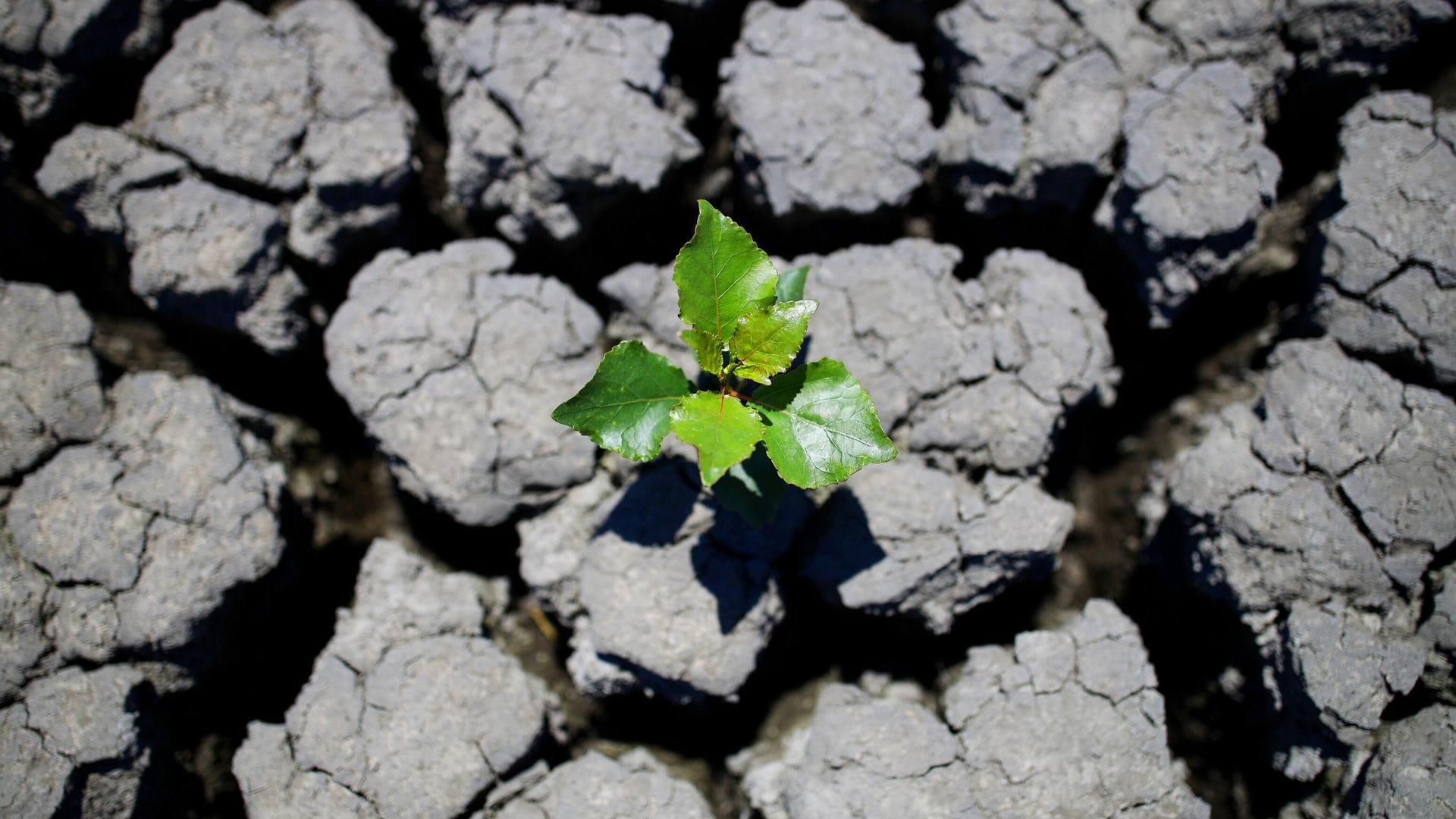
The UK Environment Agency has declared seven regions of the country drought zones — against the backdrop of England's driest July since 1935. While British farmers are forced to harvest unripe wheat and millions of residents live under water restrictions, at the other end of the Eurasian continent, drought in one of the world's major grain producers could translate into additional demand for Kazakh wheat.
The gist in brief
- The UK Environment Agency has officially declared drought in seven regions, covering 51% of England's territory and about 28 million people — nearly half of the country's population.
- July 2026 was England's driest since 1935: the national average rainfall was only about 7% of the norm, and in the south — just 1%.
- Seven water companies have introduced temporary water use restrictions for 23 million customers (about 40% of England's population), with 1,506 restrictions in place on water abstraction from rivers and groundwater sources.
- Against the backdrop of simultaneous droughts in the UK, the US Great Plains, and Australia, analysts estimate that the global wheat harvest could fall short of forecasts by up to 18% — which opens an additional window for exporters such as Kazakhstan.
What is a "flash drought" and why seven regions at once
Official drought status has been assigned to territories in central, eastern, and southern England — from Hertfordshire and north London to Hampshire and the Isle of Wight. The agency describes what is happening with the term "flash drought" — a drought that develops rapidly due to a combination of extremely low rainfall and abnormally high temperatures, unlike a classic multi-year drought. According to the Met Office, July was on average 3°C warmer than normal across Britain, which could make it one of the three or four hottest summer months on record. Soil moisture deficits last week reached record levels for this time of year in the northeast, central, southeast, and southwest of England.
Who is already living under restrictions
Seven water companies — Affinity Water, Anglian Water, Cambridge Water, Southern Water, South East Water, Thames Water, and South West Water — have introduced Temporary Use Bans (also known as "hosepipe bans") for 23 million customers, which is about 40% of England's population. Low river levels have already led to 1,506 restrictions on water abstraction licenses, while demand for irrigation water remains high. The agency's Director of Water Resources and Chair of the National Drought Group, Helen Wakeham, stated that with such hot and dry weather, water is being consumed faster than nature can replenish it.
Harvest at risk
The drought is hitting agriculture directly: farmers are forced to harvest grain early, yields of certain crops are declining, and livestock are being moved to winter feed reserves earlier than usual. According to the National Farmers' Union of England and Wales (NFU), with low soil moisture and ongoing heat, planting crops for next year's harvest is becoming impossible both for conventional grains and for soil restoration programs — meaning delays in establishing future crops and additional pressure on already struggling farmers. According to estimates by the analytical agency AHDB, the share of British winter wheat in "good" or "excellent" condition had fallen to 58% by the end of June, down from 64% a month earlier, and in some parts of England yield losses reach 40%.
What this means for the global and Kazakh grain market
The drought in Britain is not an isolated episode. At the same time, winter wheat crops on the US Great Plains — in Kansas, Oklahoma, and Texas — are suffering from a lack of moisture, where only 23–30% of the crop is rated in good or excellent condition, and Australia is forecasting a nearly one-fifth reduction in its wheat harvest due to the emerging El Niño.
According to market analysts, the combined effect of these simultaneous droughts could push the global wheat harvest up to 18% below initial forecasts — a figure experts describe not as a statistical anomaly but as a structural disruption in the global food supply chain. For Kazakhstan, one of the world's major wheat exporters, the simultaneous weakening of three competitors on the global grain market — the UK, the US, and Australia — potentially means more windows for its own supplies, especially to Central and South Asian markets, where Kazakh grain traditionally competes directly with Australian grain.
Author's conclusion
The drought declared in England is unfolding against a much broader picture: several major grain producers in the northern hemisphere are simultaneously losing part of their expected harvest due to abnormal heat and rainfall shortages. For Kazakhstan, this is no reason for complacency — the country's own dependence on rainfall and transboundary rivers makes it vulnerable to the same climate shifts that are now hitting British farmers. But in the short term, the simultaneous weakening of competitors on the global grain market is that rare case where someone else's drought could translate into additional demand for Kazakh grain — provided that the harvest in Kazakhstan itself does not suffer from the same global weather disruption.
Comments ()