Heatwave halts French nuclear reactors as river water becomes too warm for cooling
French state energy giant EDF shut down two nuclear reactors as a preventive environmental measure.
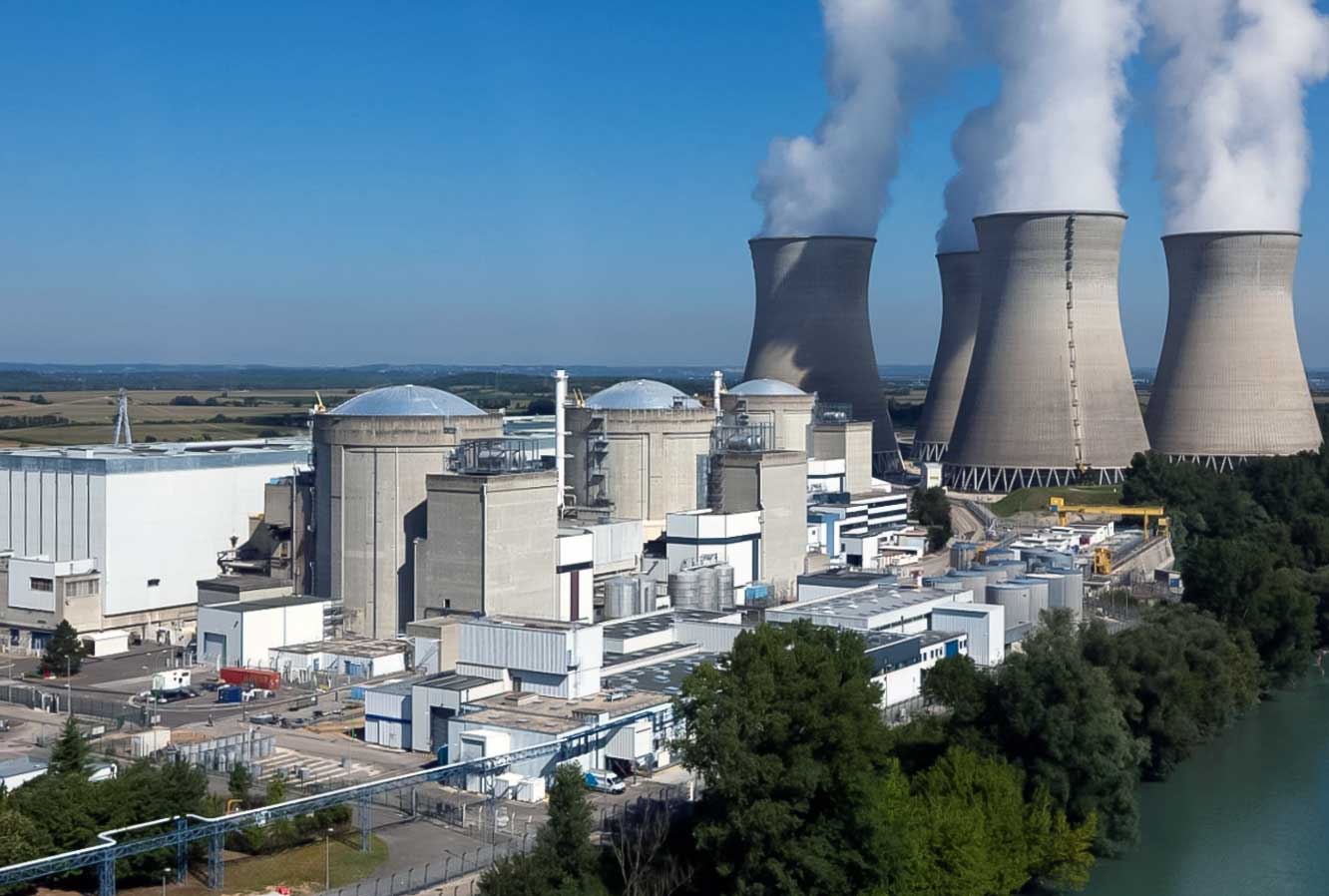
A record heatwave that hit Europe at the end of June 2026 has exposed an unexpected vulnerability in nuclear power: the French state-owned company EDF was forced to shut down several reactors — not due to technical faults, but because the water in the rivers had warmed so much that discharging it back threatens river ecosystems, Euronews reports. For Kazakhstan, which following a referendum in 2024 set a course for building a nuclear power plant, this episode is not just world news, but a design lesson.
The gist
- EDF shut down reactors at the Nogent-sur-Seine nuclear plant (River Seine) and the Bugey plant (River Rhône), and also reduced output at the Golfech plant (River Garonne) — due to exceeding the permissible water temperature upon discharge.
- Nuclear plants use river water to cool reactors. During extreme heatwaves, rivers overheat — and operators are obliged to reduce output to avoid violating environmental regulations.
- Tuesday, June 23, 2026, was the hottest day in France since meteorological records began in 1947. More than 18 people died from the heat, and at least 40 have drowned since June 18.
- Despite the shutdowns, French grid operator RTE confirmed there is enough electricity to cover demand — including in the event of further outages.
- According to scientists, in some regions of Europe, periods of extreme heat now last up to 40 days longer per year than in the 1970s.
Paradox: heat simultaneously increases electricity demand and reduces its production
French state-owned energy company EDF temporarily shut down two nuclear reactors as a preventive environmental measure amid a record heatwave. The reactors are located at the Nogent-sur-Seine plant on the banks of the Seine north of Paris and at the Bugey plant on the Rhône near Lyon.
Nuclear plants use river water to cool reactors and then return it to the river — usually a fraction of a degree or several degrees warmer. During severe heat, when rivers are already warm, operators must reduce or halt output to avoid exceeding legally established temperature discharge limits.
The situation is paradoxical in nature: the stronger the heat, the higher the electricity consumption (air conditioners, ventilation, industrial cooling) and the less capacity river-based nuclear plants have to produce that electricity. It is precisely at the peak moment of demand that the system falters.
Scale of shutdowns
On Monday, a reactor was also shut down at the Golfech plant on the Garonne River in southwestern France, and output was reduced at several other sites within EDF's 57-reactor fleet. Last year, these facilities accounted for nearly 70% of electricity generation in France.
Despite the outages, French grid operator RTE stated that France has sufficient generating capacity to meet demand — including in the event of further unit shutdowns. The resilience of the French power system is ensured by diversification: renewables, imports from neighboring countries, and reserve gas generation capacity cover the deficit from forced outages.
Record-breaking heat
Tuesday, June 23, was the hottest day since meteorological records began in 1947. France declared a red alert, representing a life-threatening danger, in more than half of its 96 departments.
The crisis is not limited to France. Germany, Spain, Portugal, and Switzerland are also experiencing abnormal heat that is beginning to paralyze daily life: hundreds of schools are closing or reducing hours, and train services in Paris and Brussels have been cut back to reduce the risk of breakdowns.
According to a major new study, in some regions of Europe, extreme heat now persists up to 40 days longer per year than in the 1970s. This means that a situation perceived today as exceptional is becoming a systemic norm.
Kazakh context: a lesson for the future NPP
In October 2024, Kazakh citizens voted in a referendum to build a nuclear power plant. Negotiations on technology and contractor are ongoing — contenders include Russia (Rosatom), China (CGNPC), France (EDF), South Korea (KHNP), and the USA (Westinghouse).
The French precedent raises a question that has not been voiced loudly enough in Kazakhstan's discussion on NPP siting: where will the water for cooling the reactors come from? The most likely construction site is Lake Balkhash in the Zhambyl region. Balkhash is a closed water body with an already recorded decline in water levels. Discharge regulations for heated water into a closed lake under conditions of increasing heat and water stress is an issue requiring detailed environmental assessment before a final decision on the site is made.
France's experience shows that even a country with the largest nuclear fleet in Europe and developed environmental regulation faces forced reactor shutdowns during extreme heat. For Kazakhstan, where temperature records are set regularly and water resources are shrinking, this is not an academic question — it is a design parameter.
Author's conclusion
French reactors shut down not because nuclear power is unreliable. They shut down because they were designed for a climate that no longer exists. This is the lesson Kazakhstan must learn now — while the future NPP project is still at the stage of site and technology selection. Building a nuclear plant for the climate of the 1970s in the world of the 2040s means laying a problem in the foundation.
Comments ()