How much water Kazakhstan loses due to negligence and corruption
Corruption, theft, and reluctance to save water or adopt water-saving technologies—what is this costing Kazakhstan?
Meet the Zhambyl region. One of the country's most productive agricultural regions.
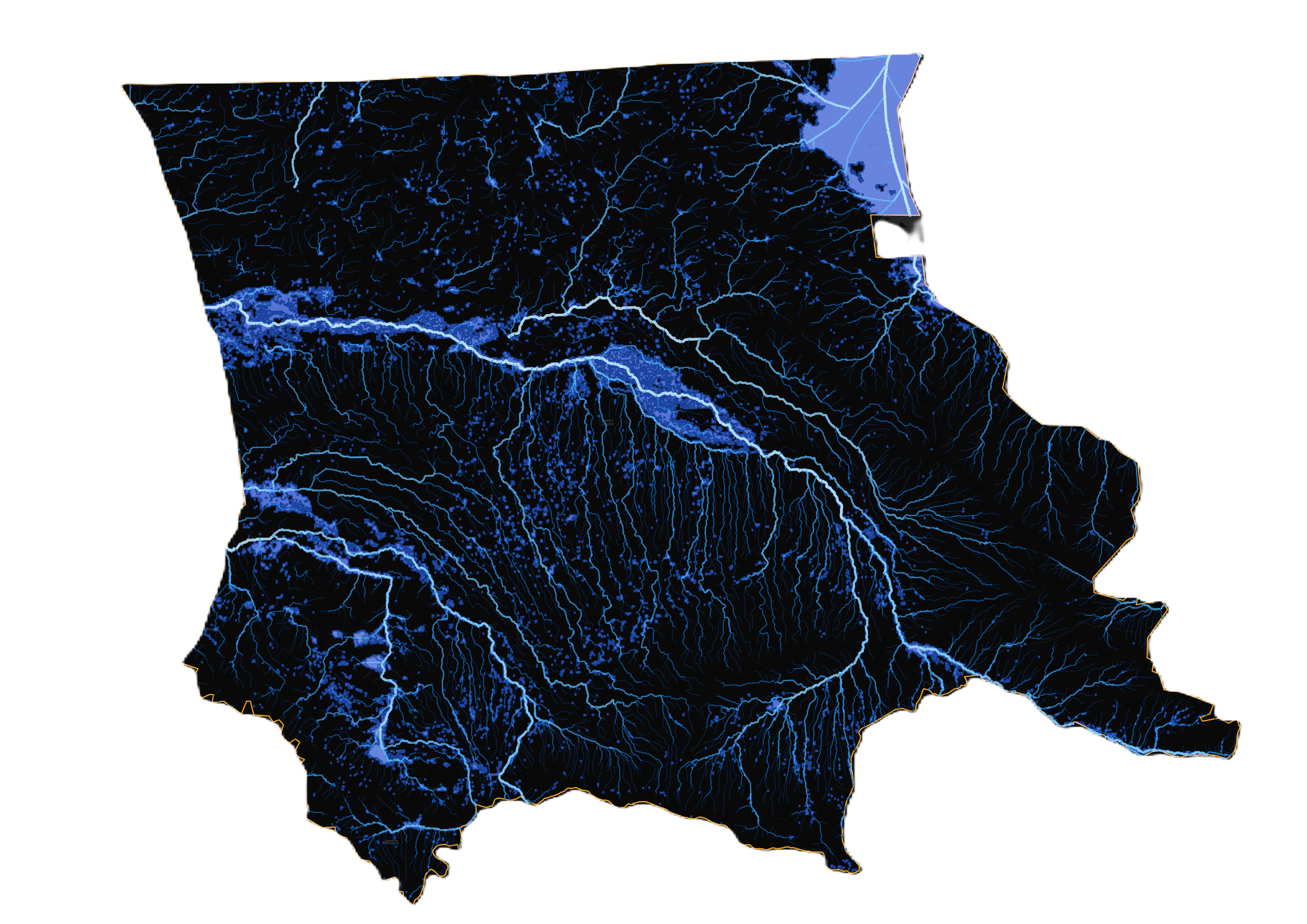
The total estimated annual water consumption in the Zhambyl region is 1.4 billion m³, of which:
- Agriculture – 1.1 billion m³ (78%)
- Industry – 0.2 billion m³ (14%)
- Domestic consumption – 0.1 billion m³ (8%)
Where does the water go?
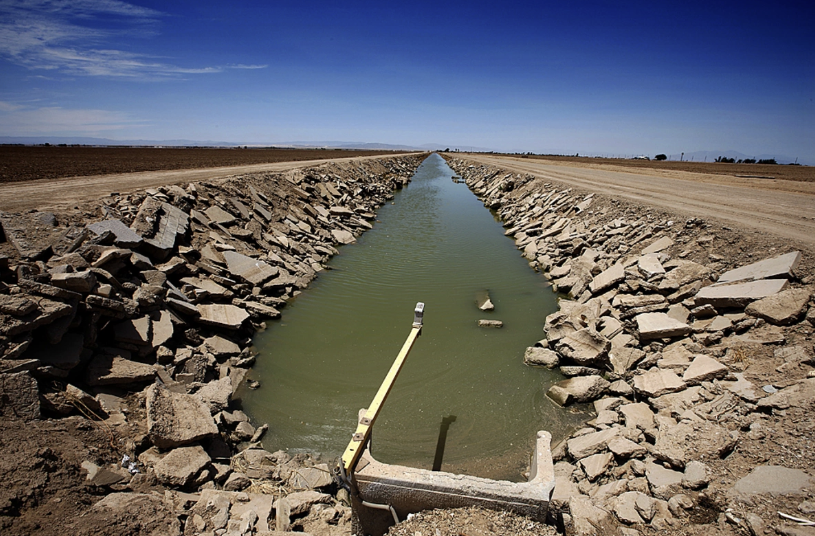
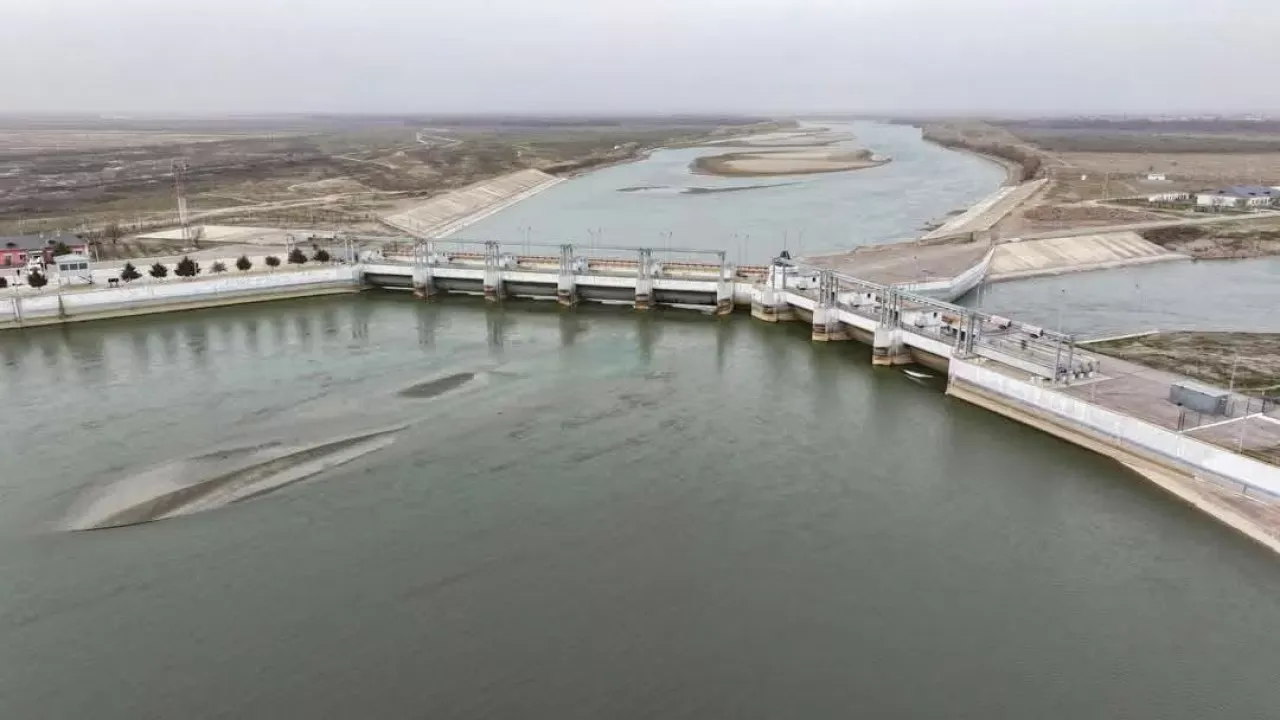
It is traditionally believed that up to 50% of water is lost in canals during transportation to farmers. Even the report of the Supreme Audit Chamber (SAC) indicates that a significant portion of water does not reach the fields due to leaks and evaporation in the worn-out irrigation system.
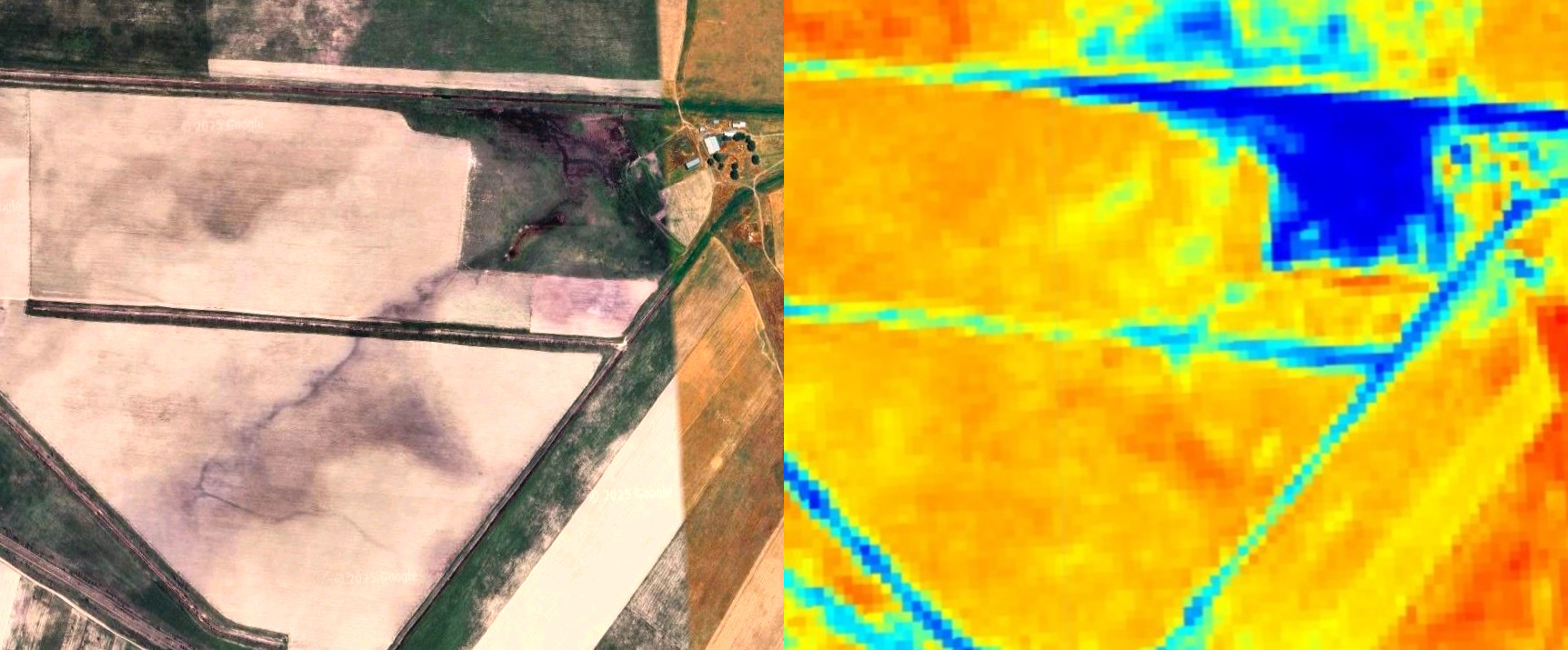
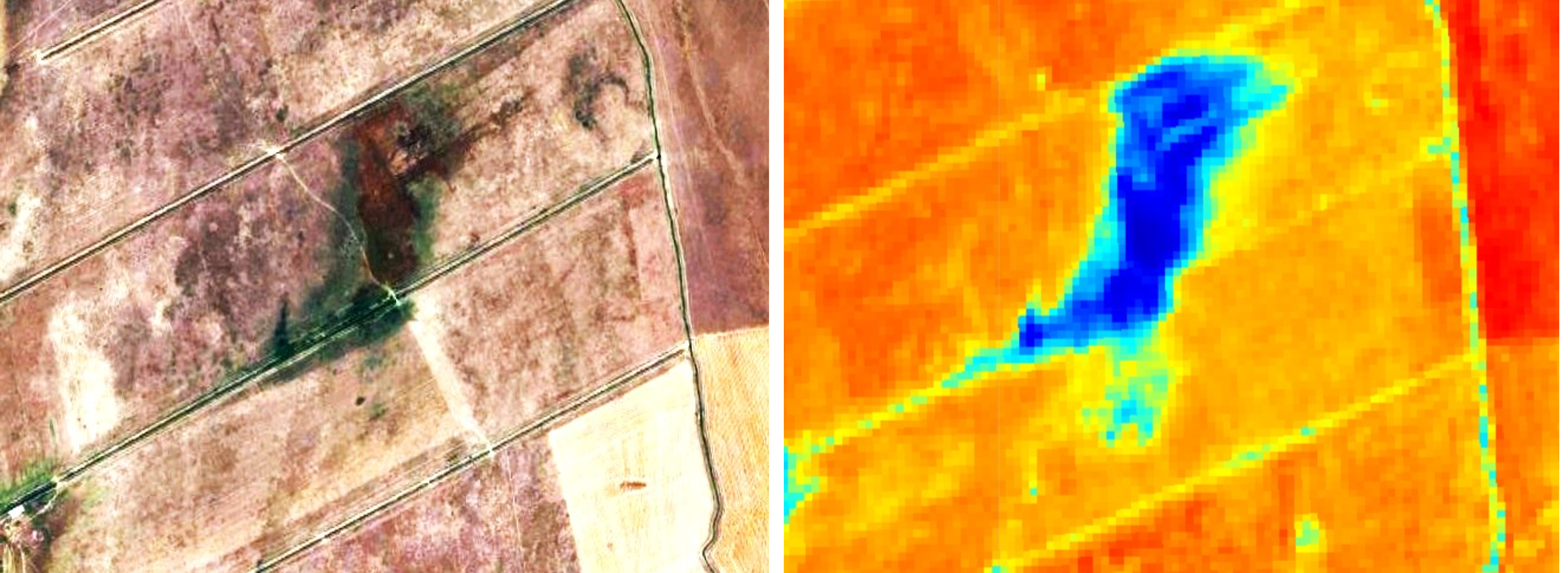
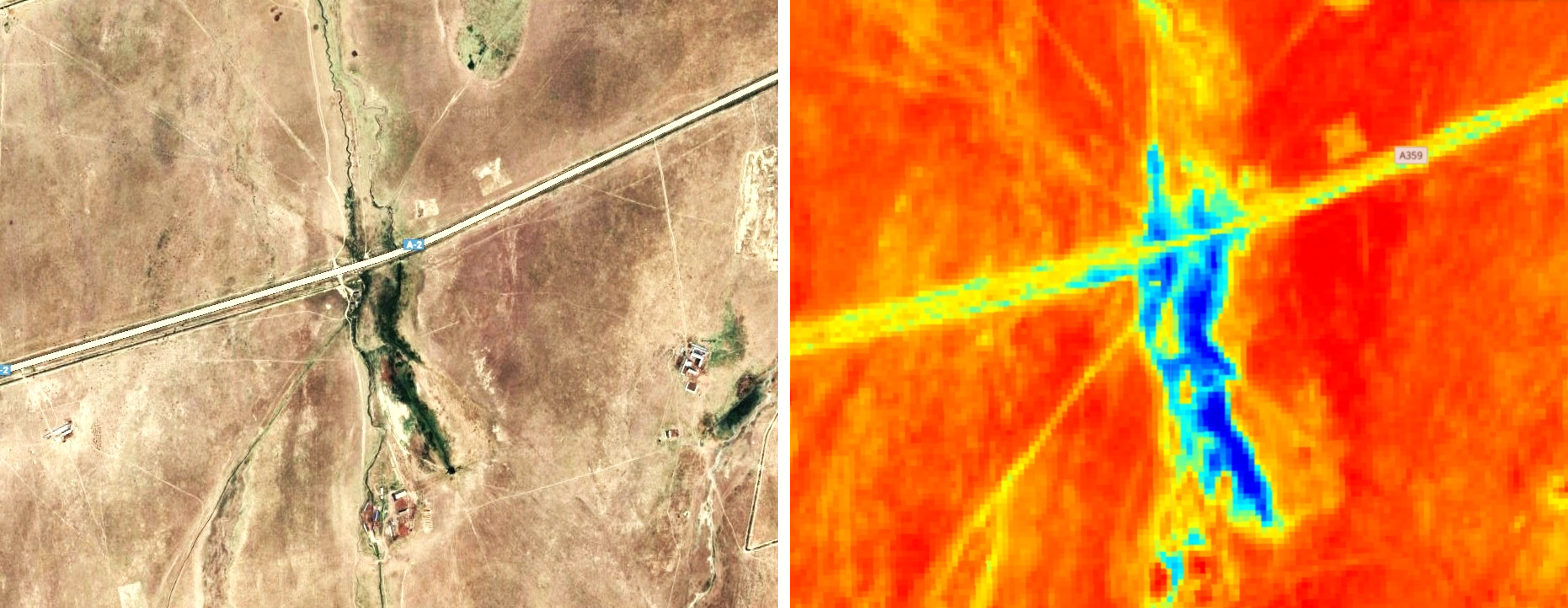
However, the greatest losses occur already in the fields themselves – due to outdated irrigation methods and inefficient moisture management.
Where is water lost?
- Open canals, ditch irrigation – leaks, evaporation, filtration into the ground
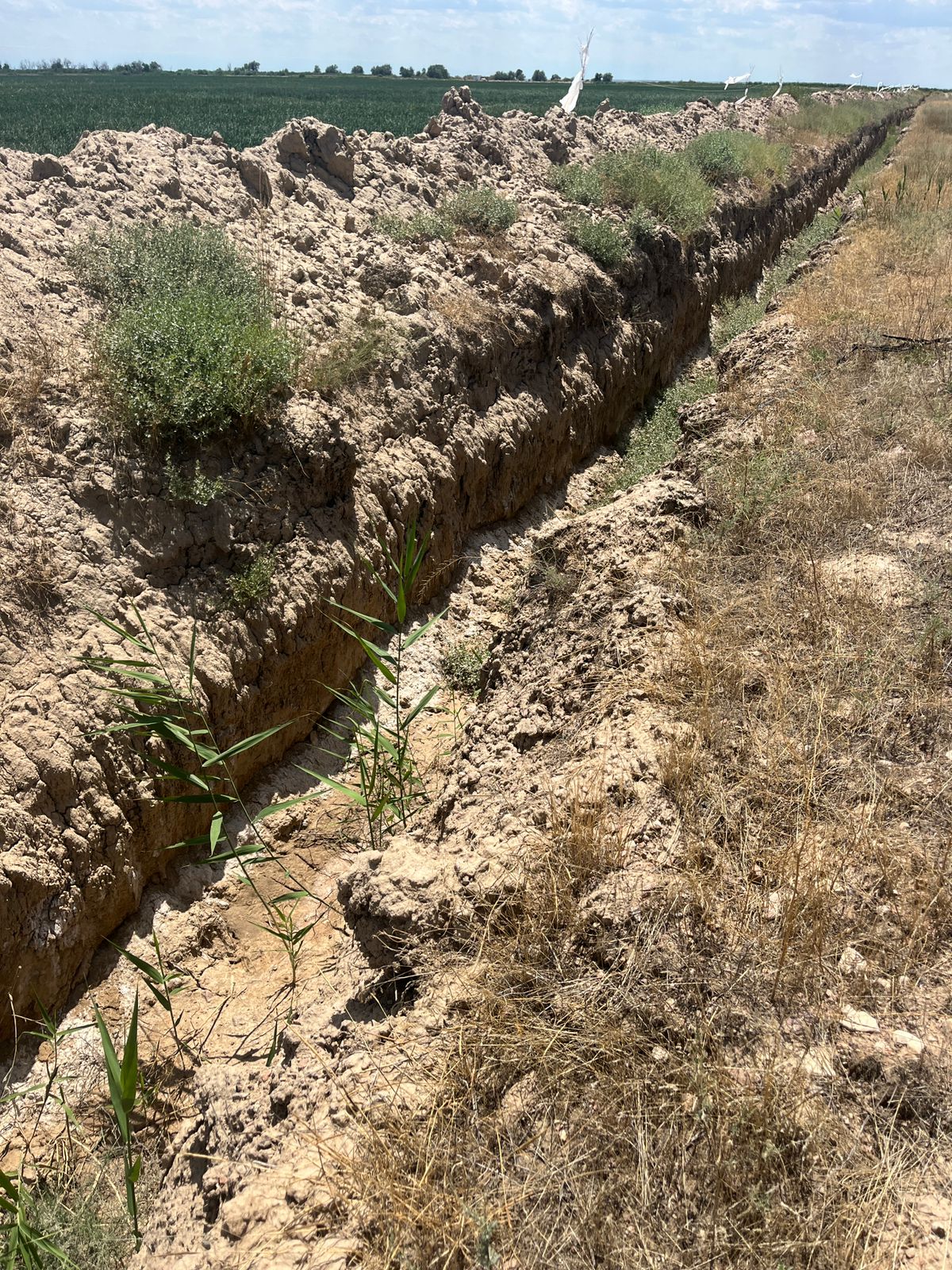
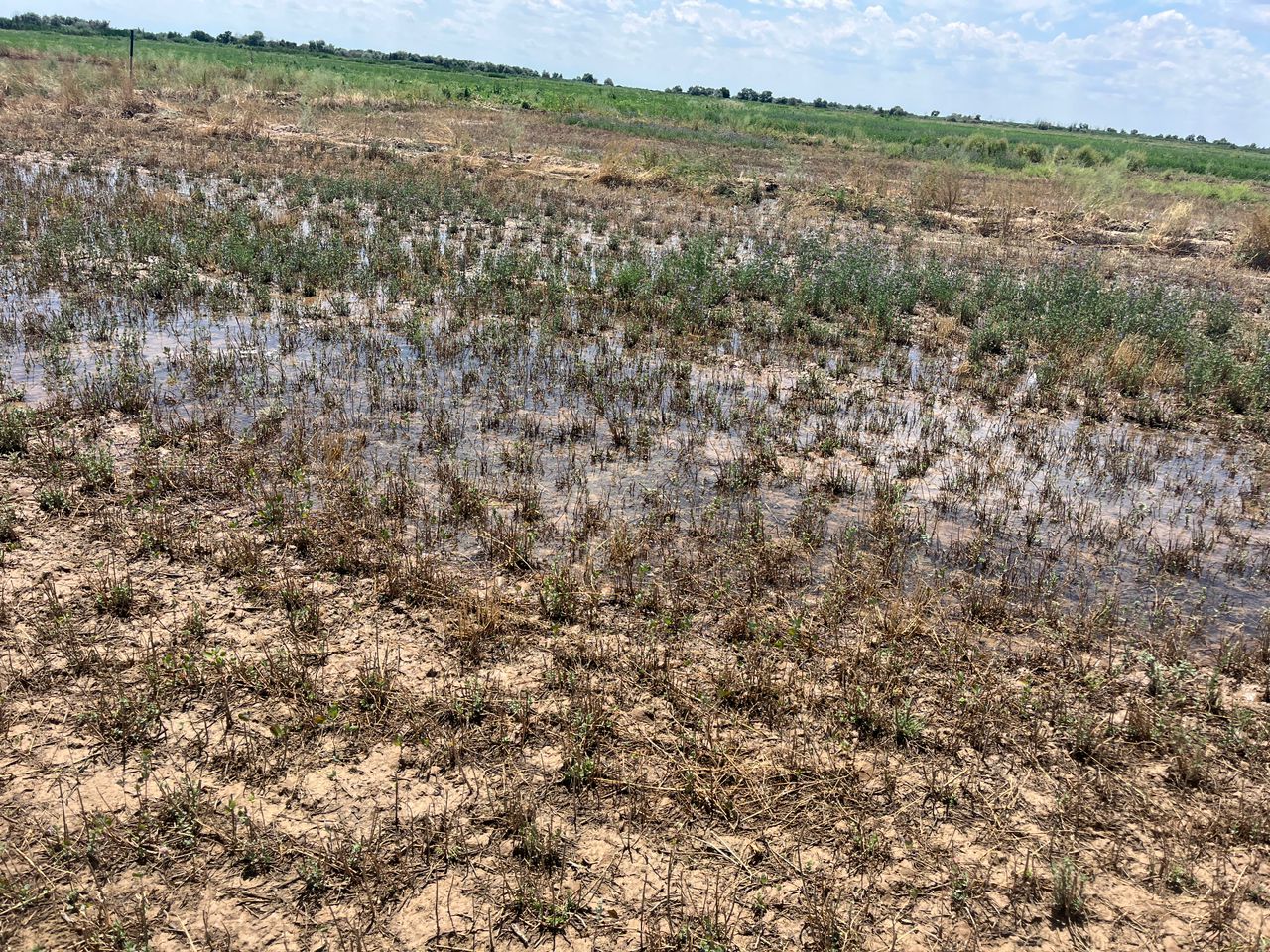
- Excessive irrigation and lack of incentives for conservation. Farmers do not pay for the actual volume of water consumed – bills are issued based on calculated indicators, not on actual usage. Plus, there is a corruption component – if you pay a bribe, you can afford a little more than without it.
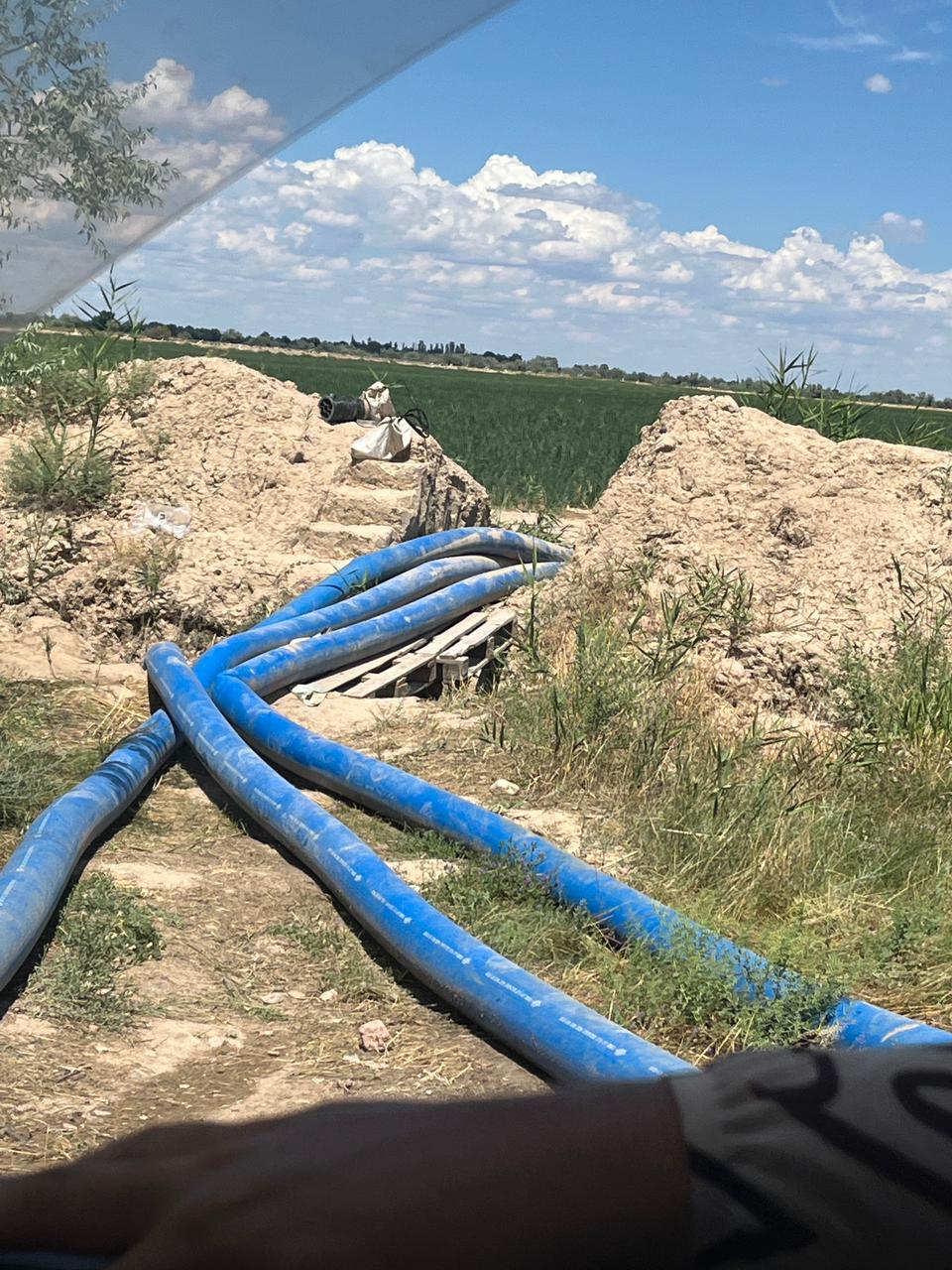
- Illegal water abstraction – from canals and rivers. As water moves through the system:
- Some farms divert water illegally, disregarding established norms
- Farmers in downstream areas receive less water, which reduces crop yields and increases drought risks
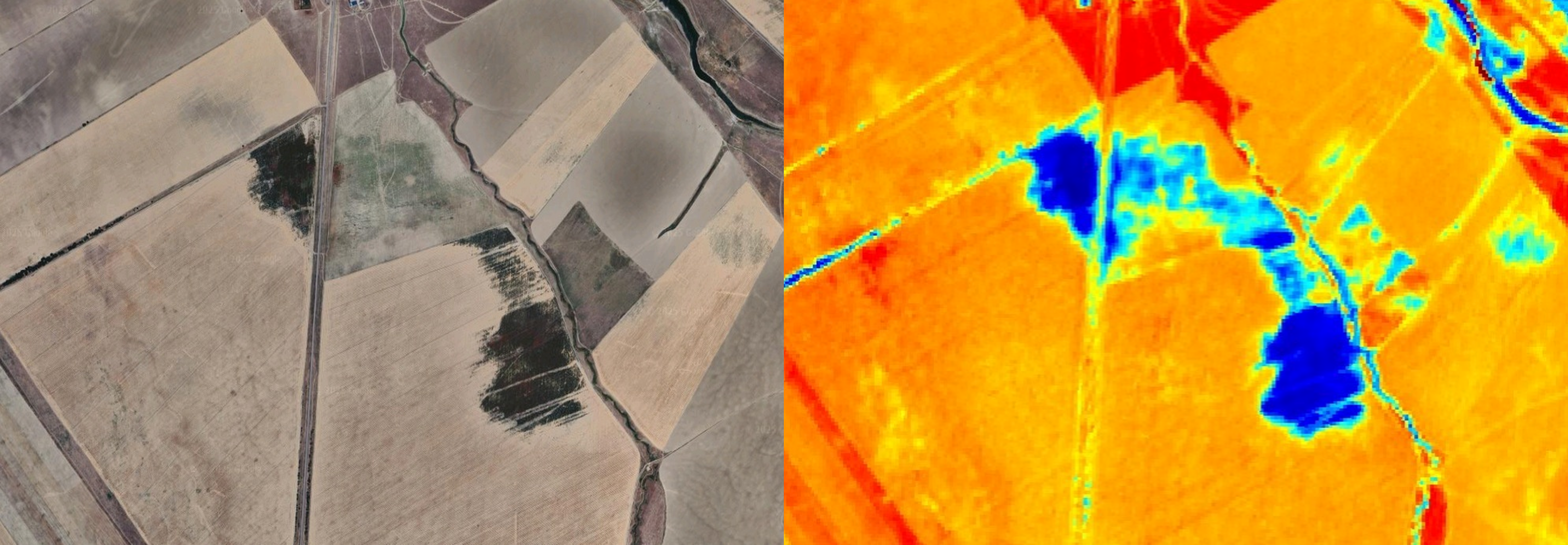
What does this lead to?: Uncontrolled water consumption, excessive irrigation, and water theft result in irrational resource distribution, causing upstream areas to receive excess water, while downstream areas suffer from drought.
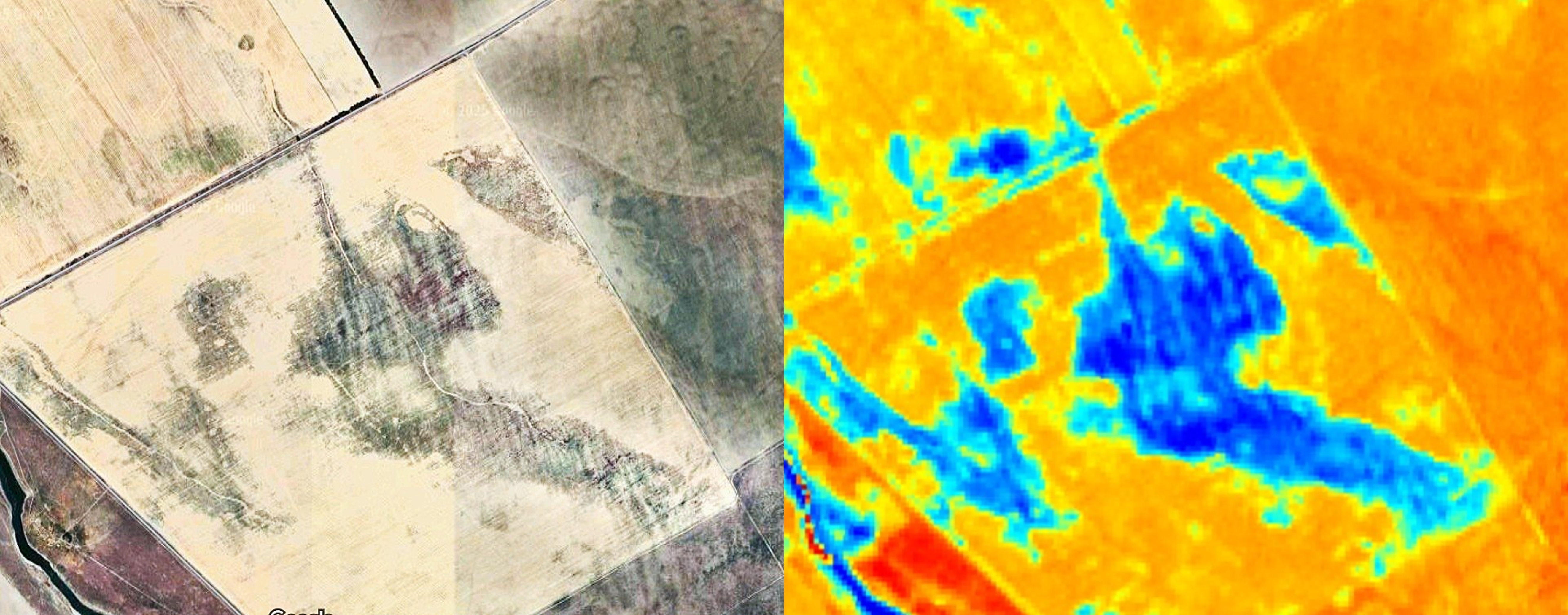
This reduces crop yields, degrades soil quality, and leads to salinization and degradation of agricultural land. Water losses make the water supply system inefficient, exacerbating shortages and creating conflicts between water users.
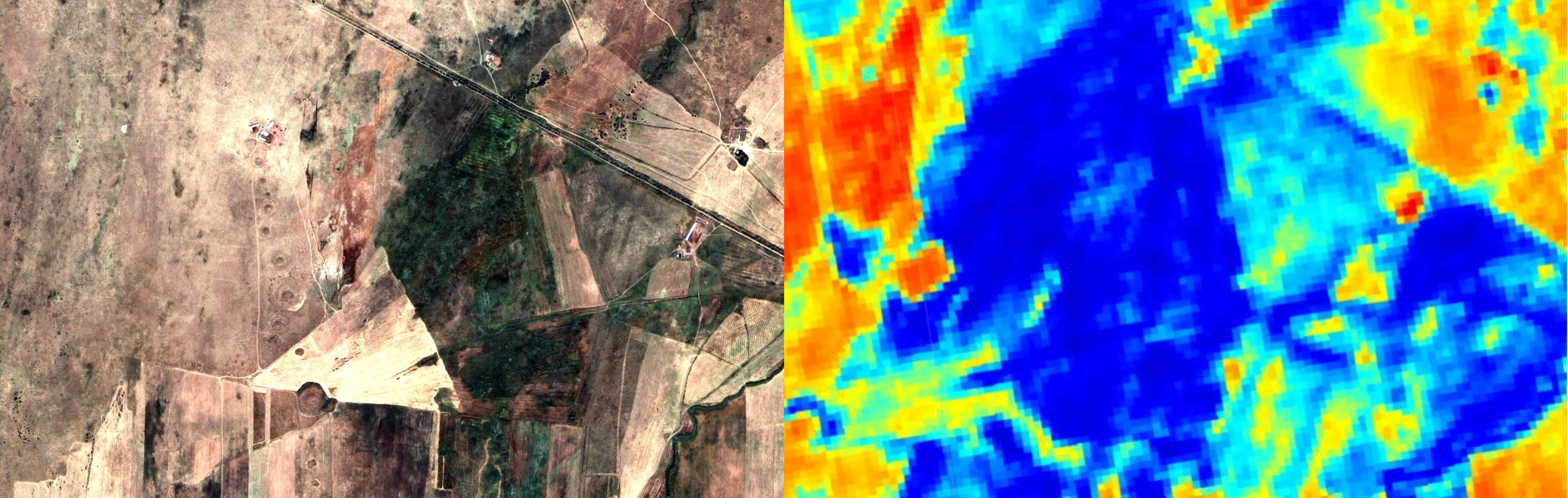
Here are more examples of how water is lost in the fields
Comments ()