IEA Head Calls Slow Electrification One of Europe's Major Mistakes
Europe is too slow in phasing out imported oil and gas, despite recent energy crises, said IEA Executive Director Fatih Birol.
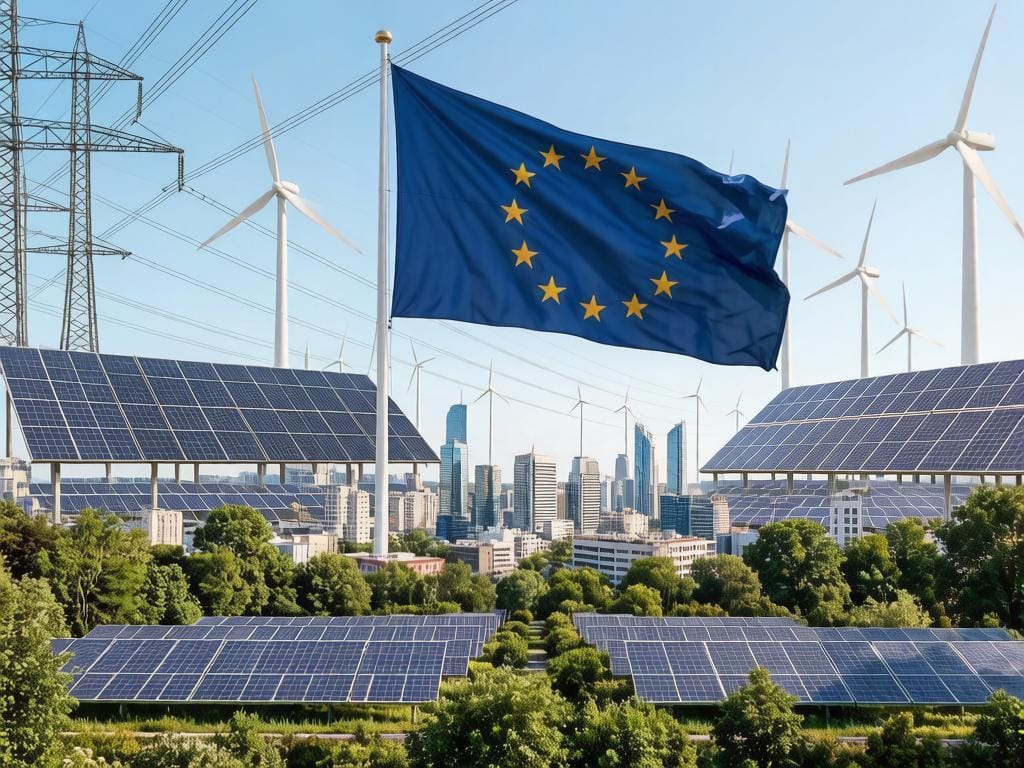
According to the head of the IEA, it is the slow pace of electrification of the economy that is becoming one of the main reasons for the decline in the EU's competitiveness and its continued dependence on external energy suppliers, writes Pro Finance.
The Gist in Brief
· IEA head Fatih Birol called the slow electrification of the economy a "major mistake" for Europe.
· Today, electricity's share in the EU's final energy consumption is about 23%.
· The European Union aims to increase this figure to 32% by 2030.
· The European Commission is preparing measures to reduce electricity costs and accelerate the transition to electric vehicles, heat pumps, and other technologies.
· According to the IEA, accelerated electrification is necessary not only to achieve climate goals but also to strengthen Europe's energy independence.
Why Europe Found Itself in a Vulnerable Position
Fatih Birol believes that after the energy crisis of 2022, EU countries should have reduced their dependence on imported hydrocarbons much faster.
However, the level of electrification of the European economy remains relatively low today — about 23%. For comparison, in China, Japan, and South Korea, this figure already exceeds 30%. According to the IEA head, this is precisely why Europe remains sensitive to fluctuations in global oil and gas prices.
"This, in my view, is a major mistake by Europe," Fatih Birol said in an interview with the Financial Times.
Betting on Electricity Instead of Fossil Fuels
Brussels is already preparing new measures to accelerate the electrification of the economy.
The European Commission plans to stimulate the use of electricity in transport, industry, and the residential sector. Among the measures under discussion are reducing the tax burden on electricity, supporting the purchase of electric vehicles and heat pumps, and aligning prices so that using electricity becomes economically more advantageous than fossil fuels.
According to EU Energy Commissioner Dan Jørgensen, electrification in Europe has effectively stalled over the past decade, and this process now needs to be significantly accelerated.
Power Plants Alone Are No Longer Enough
The head of the IEA specifically highlighted another problem — the shortage of modern electrical grids.
Despite record rates of construction of renewable energy facilities, hundreds of gigawatts of new capacity remain unconnected to the power system due to the limited capacity of grid infrastructure.
According to Birol's assessment, modernizing electrical grids is becoming just as important a task today as building new solar and wind power plants.
What This Means for Kazakhstan
For Kazakhstan, the European strategy is of particular interest. The EU remains one of the largest buyers of Kazakh oil, but at the same time, it is accelerating its course towards reducing fossil fuel consumption. If the EU's electrification plans are implemented, demand for oil and natural gas could gradually decline in the long term.
This means that Kazakhstan today needs not only to maintain its positions in traditional energy markets but also to develop new areas — raw material processing, renewable energy, hydrogen technologies, and the production of high-value-added goods.
Earlier, Hunn.kz reported on Canada's preparations for the industrial extraction of natural ("white") hydrogen — a technology that could become one of the alternative sources of clean energy in the future and change the global energy market.
Author's Conclusion
The statement by the head of the IEA shows that Europe's main task today is no longer so much increasing electricity production as it is shifting the economy towards its use. For Kazakhstan, this is another signal: the global energy market is gradually changing its demand structure. While oil remains the country's most important export commodity, the long-term trend points to a gradual strengthening of the role of electricity, new energy storage technologies, and alternative fuels. This is why diversifying the energy sector is becoming a matter of not only environmental but also economic sustainability.

Comments ()