Illegal works that changed the course of the Karatal River stopped in the Zhetisu region
The Balkhash-Alakol Basin Water Inspection and the Zhetisu Region Environmental Prosecutor's Office stopped an attempt to illegally divert the Karatal River.
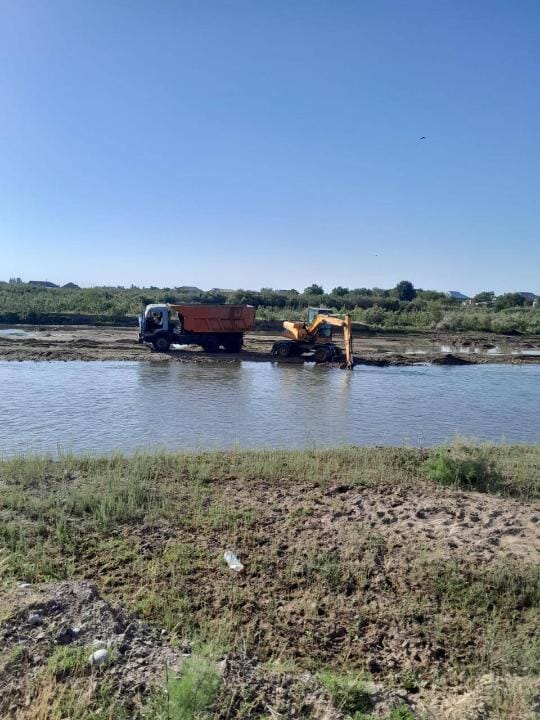
The works were carried out without the consent of the authorized state body, and administrative measures were applied to the violators, reports the Ministry of Water Resources and Irrigation.
The essence in brief
- An attempt to illegally alter the course of the Karatal River was stopped by the water inspection and the environmental prosecutor's office of the Zhetisu region.
- The works were carried out without the consent of the authorized state body, and they led to a change in the natural riverbed.
- Administrative measures were applied to the violators.
- Altering the riverbed can disrupt the hydrological regime of the river, cause bank erosion and pose a threat of flooding to neighboring territories.
What the inspection revealed
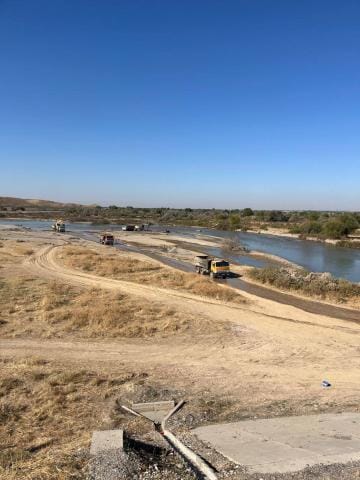
The violation was discovered during an inspection: the works led to a change in the natural riverbed of the water body, and there was no consent from the authorized state body for them. The attempt was stopped jointly by the Balkhash-Alakol Basin Water Inspection and the environmental prosecutor's office of the Zhetisu region. Administrative measures were applied to the violators.
Why altering the riverbed is dangerous
The Karatal is the largest water artery flowing into the eastern part of Lake Balkhash. The acting chairman of the Committee for Regulation, Protection and Use of Water Resources, Temirlan Abdykulov, explained that illegal alteration of the riverbed can disrupt the natural hydrological regime of the water body, lead to bank erosion and create a threat of flooding of adjacent territories. Such works, he emphasized, must be carried out in strict compliance with the requirements of water legislation.
How violations at water bodies are detected
The basin water inspections of the Ministry of Water Resources and Irrigation regularly conduct monitoring to detect illegal quarrying and unauthorized extraction of minerals in water protection zones and strips. Violations of water legislation are also found in other regions: in the Kamystinsky district of the Kostanay region, enterprises were taking groundwater for two villages without permits. And in Kostanay, a wastewater storage facility of a former plant located in the water protection zone of the Tobol River is being examined for copper contamination.
Author's conclusion
The case shows that any works in a riverbed without the consent of the authorized body are considered a violation already at the attempt stage: the inspection, together with the prosecutor's office, stopped them and applied administrative measures. Such violations are detected by inspections during monitoring, which is carried out regularly.
Comments ()