Kambar-Ata-1: The Hydroelectric Power Plant That Could Change Central Asia's Future
Construction of Kambar-Ata HPP-1, Kyrgyzstan’s largest hydropower project, is becoming one of Central Asia’s most significant infrastructure initiatives.
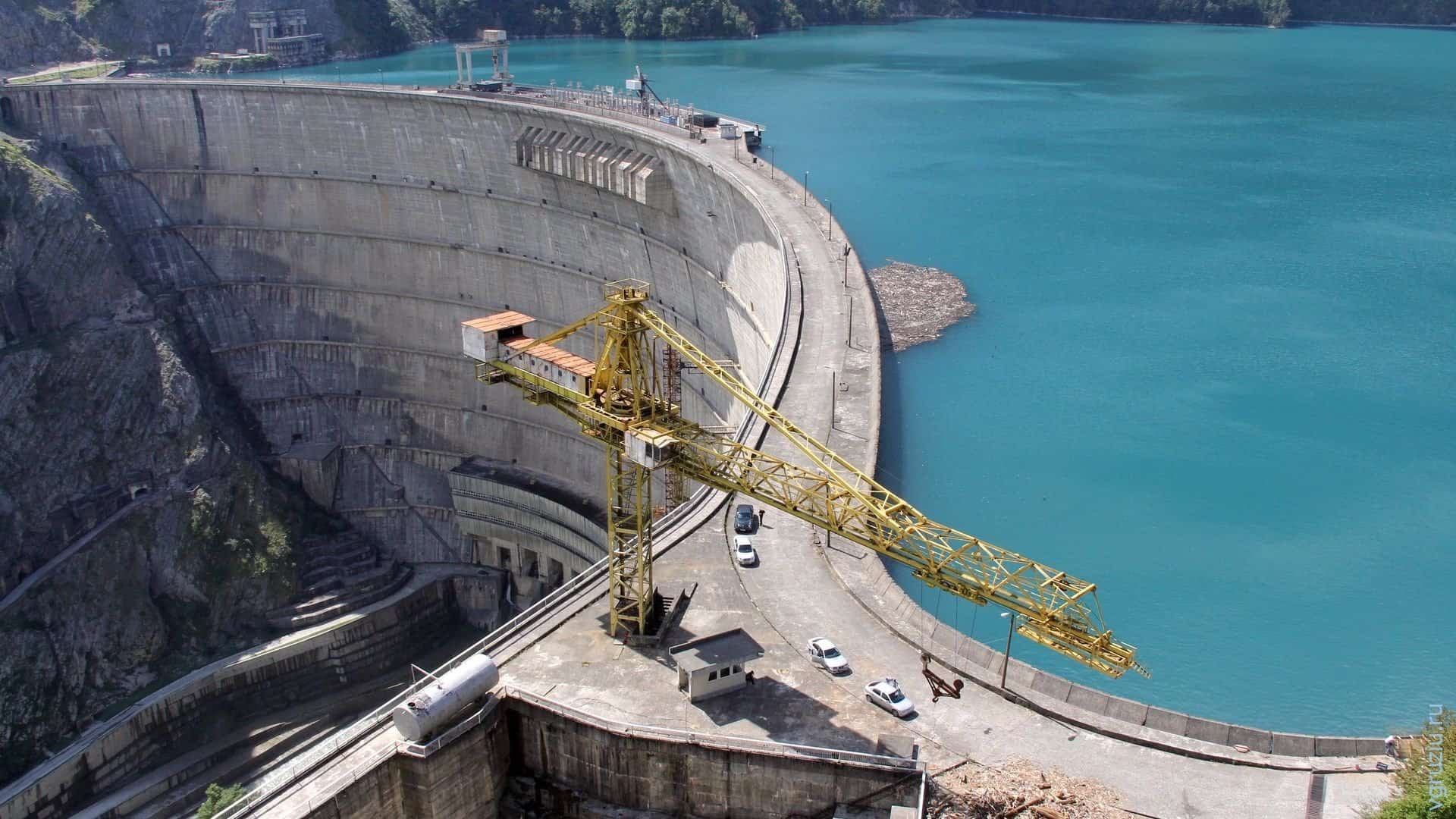
After decades of waiting, the station has received support not only from Bishkek, but also from Kazakhstan, Uzbekistan, the World Bank, and other international financial institutions. For the region, this is no longer just a new power plant, but an attempt to create a new model of cooperation in the energy sector and water resource management.
A Project That Outlived the Soviet Union
The history of Kambar-Ata-1 began back in the 1980s. At that time, the largest hydroelectric power plant in Central Asia was planned in the upper reaches of the Naryn River, intended to become a key element of the Naryn-Syr Darya water and energy complex.
After the collapse of the USSR, construction practically stopped. Kyrgyzstan did not have the resources to implement such a large-scale project, estimated to cost 4–6 billion dollars. Over the following decades, various attempts were made to attract investors, but none led to the start of full-scale construction.
Why the Project Got Its Chance Now
The turning point came after Kyrgyzstan, Kazakhstan, and Uzbekistan stopped viewing hydropower solely as a national issue.
In June 2024, the energy ministers of the three countries signed an agreement on the joint implementation of the project. It provides for joint financing, participation in the development of technical documentation, and coordination of the future station's operation. Kyrgyzstan will receive a 34% stake in the project company, while Kazakhstan and Uzbekistan will each receive 33%. After construction is completed, the facility will fully become the property of Kyrgyzstan.
The World Bank joined the initiative, financing the preparation of the feasibility study, environmental research, and the formation of the project's financial model. A coalition of international partners has already formed around Kambar-Ata-1, viewing it as one of the key development projects for Central Asia.
What is Kambar-Ata-1
According to the project, the station will be built on the Naryn River.
Key specifications:
· installed capacity — 1860–1880 MW;
· four hydroelectric units;
· a dam approximately 256 meters high;
· a reservoir with a volume of over 5 billion cubic meters;
· average annual generation — about 5.6–6 billion kWh of electricity.
Once operational, Kambar-Ata-1 will become the largest hydroelectric power plant in Kyrgyzstan and one of the largest in Central Asia.
Why This HPP is More Important Than It Seems
At first glance, this is about building another power plant. In reality, the project's significance is much broader.
Kambar-Ata-1 will allow:
· increasing electricity production;
· reducing the capacity deficit in Kyrgyzstan;
· regulating seasonal fluctuations in the Naryn River flow;
· enhancing the stability of power systems across Central Asia;
· creating additional opportunities for electricity exports.
This is why the World Bank views the project not only as an energy initiative but also as a tool for improving water resource management in the region. According to the bank's forecasts, electricity demand in Central Asia will grow by approximately 30% by 2030 and could double by mid-century.
Kazakhstan Becomes a Participant, Not an Observer
For Kazakhstan, the significance of Kambar-Ata-1 extends far beyond energy.
The Naryn is the largest tributary of the Syr Darya, meaning the operating mode of the future station will directly affect water distribution downstream.
With coordinated operation, Kyrgyzstan, Kazakhstan, and Uzbekistan will be able to manage seasonal water releases more effectively, reducing the risks of both winter floods and summer water shortages for irrigation.
Furthermore, Kazakhstan gains the opportunity to participate in shaping the regional electricity market and diversify its import sources during periods of peak demand.
A New Model of Cooperation Instead of Old Conflicts
For many years, water issues remained one of the most complex topics in relations between Central Asian states.
Upstream countries sought to use water resources for electricity generation, while downstream states were primarily interested in a stable water supply for agriculture.
Kambar-Ata-1 has become the first such large-scale project to be built from the outset as a joint regional initiative. Essentially, it marks a transition from a model of disputes to a model of joint management of strategic resources.
A New Hydropower Map is Taking Shape in Central Asia
Kambar-Ata-1 is far from the only major hydropower project being implemented in the region today. In recent years, Central Asian countries have almost simultaneously begun construction or preparation of several strategic facilities.
For instance, Tajikistan continues the construction of the Rogun HPP — the largest hydroelectric power plant in the region. The project gained new momentum after the World Bank approved an additional grant of 300 million dollars for its implementation. Upon completion, the station's installed capacity will reach 3600 MW, making it the largest HPP in Central Asia.
In turn, Kyrgyzstan is simultaneously developing other hydropower facilities. One of these is the Kazarman HPP Cascade, which the country's authorities call one of the largest energy projects in the history of the republic's independence.
Thus, it is no longer about individual construction sites, but about a large-scale transformation of the entire energy system of Central Asia. If ten years ago the main focus was on operating the Soviet legacy, today the region has effectively begun creating a new generation of hydropower infrastructure.
What This Means for Kazakhstan
For Kazakhstan, this process has strategic importance. The country participates in the implementation of Kambar-Ata-1 as one of the co-investors, while remaining interested in the successful completion of other major hydropower projects in the region. New stations can increase the reliability of the unified energy system of Central Asia, expand opportunities for electricity trading, and create a more predictable regime for regulating water resources in the Syr Darya basin. At the same time, such large-scale construction requires constant coordination between the countries of the region, as the operating mode of hydroelectric facilities directly affects the water supply for agriculture and the energy security of neighboring states.
Author's Conclusion
Kambar-Ata-1 is much more than the construction of a new hydroelectric power plant. The project reflects the changes taking place in Central Asia itself. If previously water and energy often became a source of disagreement, now they are increasingly turning into the basis for joint investments and long-term cooperation. For Kazakhstan, participation in the project means the opportunity to influence the formation of a new regional energy architecture, where issues of electricity generation, water supply, and sustainable development are considered as a single system, rather than competing interests.
Comments ()