Kazakhstan and Chinese LOVOL to create a smart combine harvester cluster in Kostanay
During President Tokayev’s state visit to China, a strategic deal was signed to create a national agricultural machinery cluster in Kostanay.
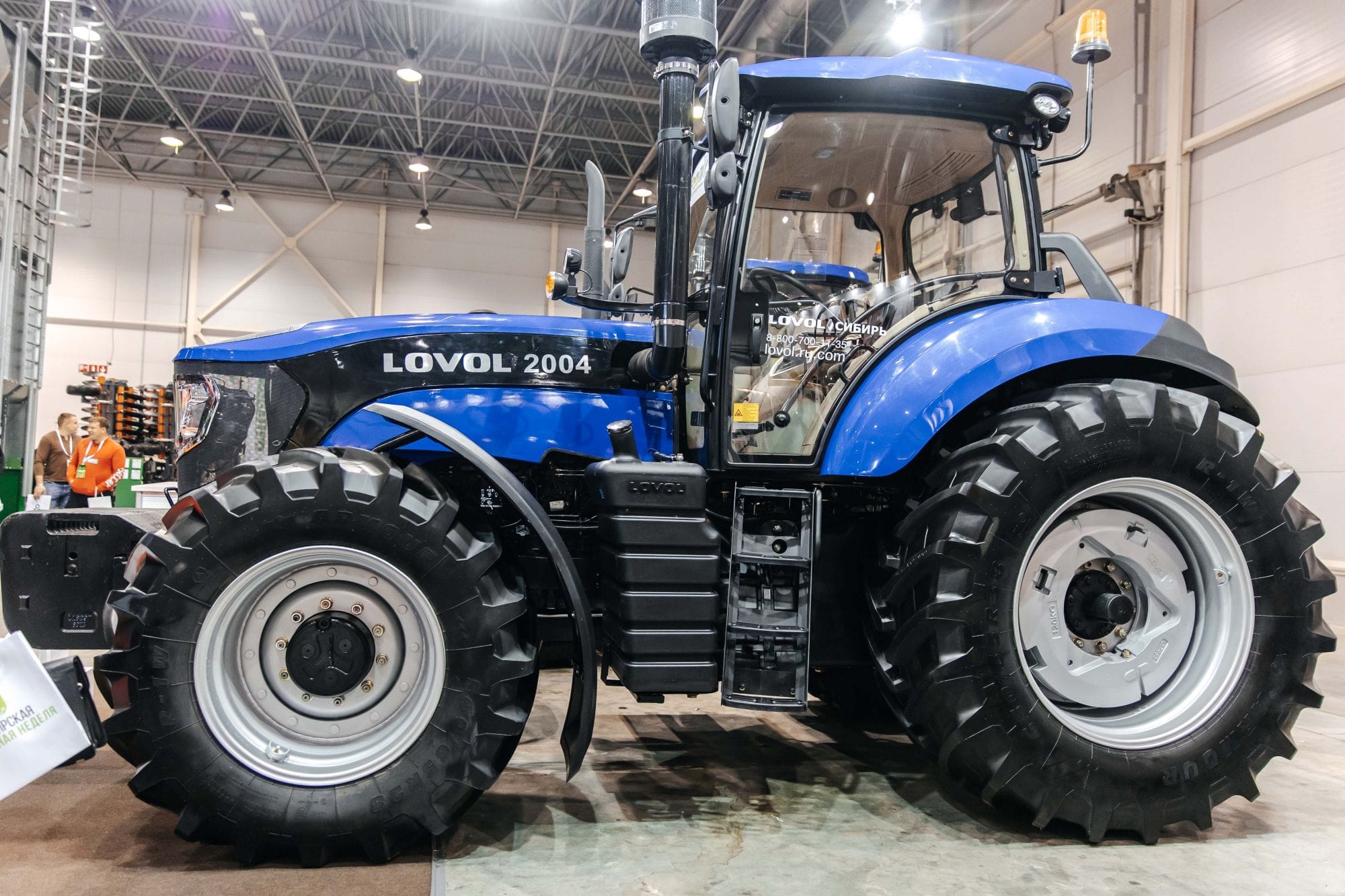
The partner is China's Weichai LOVOL, the largest manufacturer of high-tech self-propelled agricultural machinery in the PRC, with supplies to 120 countries worldwide. Financial support for the project will be provided by the Industrial Development Fund (IDF) JSC, reports TengriNews. For Kazakhstan, which aspires to become the agricultural hub of Central Asia, this is the first step towards its own production of smart combine harvesters.
The Gist in Brief
- The strategic agreement was signed on July 16, 2026 in Beijing between IDF JSC, Agromashholding KZ JSC, and the Chinese company Weichai LOVOL Intelligent Technology Co. — the largest manufacturer of high-tech self-propelled agricultural machinery in the PRC.
- The agreement provides for the creation of a machine-building complex in Kostanay for the production of LOVOL specialized agricultural equipment, with the transfer of technologies, production standards, licenses, and patents.
- LOVOL equipment is equipped with autopilot, GPS navigation systems, digital sensors for measuring soil moisture, plant growth, and regulating fuel and fertilizer consumption. It is supplied to 120+ countries.
- Production will use the CKD (Completely Knocked Down) method (assembly from machine kits) with an increasing level of localization and in-country value.
- Kazakhstan is among the top 6 countries globally in terms of agricultural land area — the plant is intended to supply the domestic market and enable exports to near and far abroad.
Why Kostanay — and Why LOVOL
Kostanay is the grain capital of Kazakhstan: the country's largest sown areas are concentrated here and in the neighboring northern regions. Placing a combine harvester production cluster near the main consumers of this equipment is a logical geographic decision.
The choice of partner is also no accident. LOVOL is not just a manufacturer of tractors and combines in the classical sense. The company specializes specifically in smart agricultural machinery: centimeter-precision autopilot, GPS navigation, soil moisture sensors, fuel-saving systems, and precision fertilizer application. In fact, this is the same precision farming technology that Kazakhstan is implementing within the framework of "smart farms" — but built directly into the hardware.
From Import to Localization
The head of the IDF, Rinat Gapparov, outlined the essence of the project directly: "The plant for the production of LOVOL equipment will be the first in Kazakhstan focused on the production of modern smart combine harvesters, and will be capable of meeting the annual needs of the domestic market, with subsequent exports to near and far abroad."
The key word is first. Kazakhstan today is completely dependent on imports of grain harvesting equipment: Russian, German, American, and Chinese. There is no domestic production of combine harvesters on an industrial scale. The Kostanay cluster is intended to change this status quo — first through CKD assembly, then, as localization increases, through deeper production using Kazakhstani components.
Context: Machinery as the Bottleneck of the Agro-Hub
Just the day before, President Tokayev announced the intention to turn Kazakhstan into a leading agro-industrial hub of Central Asia. The signing of the agreement with LOVOL is the first concrete measure within the framework of this visit, directly addressing one of the key bottlenecks: the shortage of modern machinery.
The country is among the top 6 global economies in terms of agricultural land area and harvests record wheat crops — but a significant portion of the combine fleet working in the steppe has exhausted its service life since the Soviet era or requires expensive imported maintenance. Creating its own production of smart machinery is a strategic response to this challenge.
Author's Conclusion
The agreement with LOVOL is not just another joint venture with a Chinese partner. It is a bid for sovereignty in one of the key sectors of agricultural production: not buying combines abroad, but producing them at home. The path from CKD assembly to full localization is a long one — but this is exactly the step with which Belarus, India, and China itself began. Kazakhstan has the market, it has a partner with the technology — now it needs consistency in implementation.

Comments ()