Kazakhstan begins forced recovery of $5 billion from Kashagan operator despite arbitration ban
On July 21, 2026, the Ministry of Justice initiated enforcement proceedings: the claimant is the state, the debtor is NCOC, the amount is 2.3 trillion tenge (~$5 billion). The case has been entered into the Unified Debtors Register.
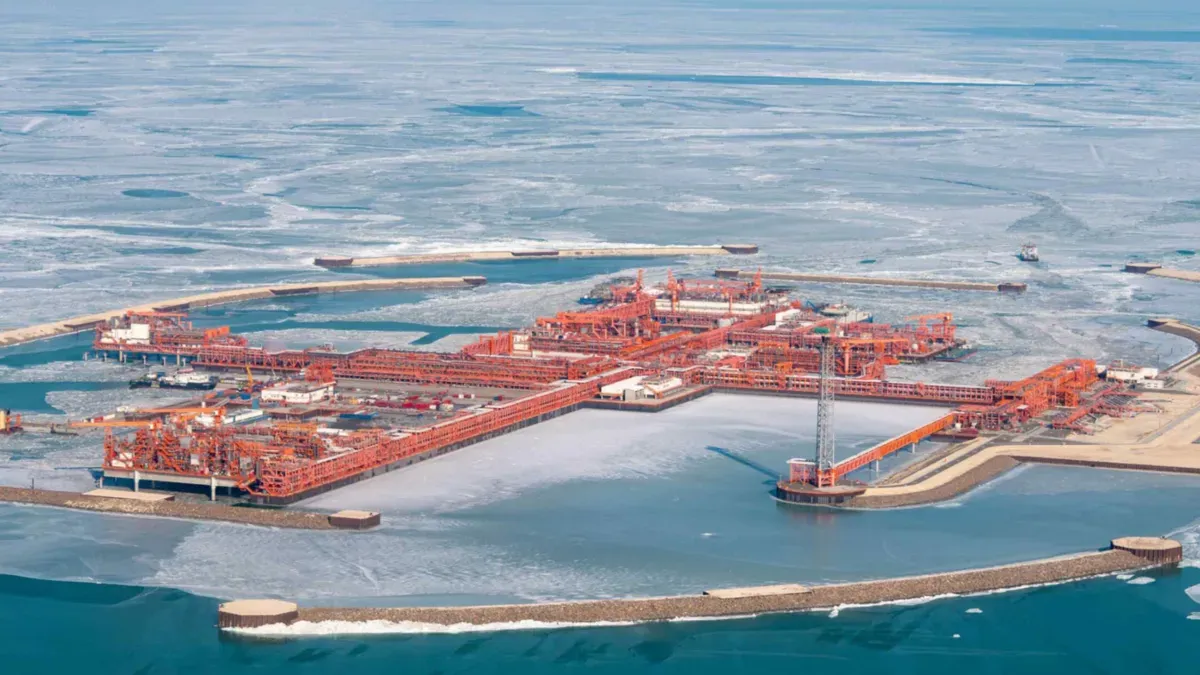
Kazakhstan has moved from warnings to action: on July 21, 2026, enforcement proceedings were initiated to recover 2,356,293,268,036 tenge — approximately $5 billion — from the North Caspian Operating Company (NCOC). The entry appeared in the Unified Register of Debtors of the Ministry of Justice. Kazakhstan rejected NCOC's argument regarding the UNCITRAL interim arbitration injunction — the enforcement document has been issued, and the proceedings are underway, Exclusive.kz reports.
The gist of it
- On July 21, 2026, the Ministry of Justice initiated enforcement proceedings: the claimant is the state, the debtor is NCOC, the amount is 2.3 trillion tenge (~$5 billion). The proceedings were entered into the Unified Register of Debtors.
- The enforcement document was issued by the Department of Ecology for Atyrau Region — the same agency that imposed a fine in 2023 for exceeding permissible sulfur storage volumes.
- By this point, NCOC had received an interim protective order from the UNCITRAL arbitral tribunal, prohibiting Kazakhstan from collecting the fine until the arbitration proceedings are concluded.
- Kazakhstan rejected the argument: a protective order from a foreign arbitration does not have automatic legal force within the country's territory and does not revoke a court decision that has entered into legal force. Enforcement of the UNCITRAL order requires its recognition by a Kazakhstani court — which has not occurred.
- At the time of publication, no asset freezes on NCOC have been registered in the register — the proceedings have only just begun.
Timeline: from fine to enforcement proceedings
We have covered this confrontation in detail at every stage. In July, Kazakhstan set NCOC a deadline of July 20 for voluntary payment, and after its expiration, the Ministry of Justice warned the consortium's head, Giancarlo Ruiu, about criminal liability for non-compliance with the court decision. Now the warning has been converted into a legal fact.
Key dates of the conflict: the fine was imposed in 2023 for exceeding permissible sulfur storage volumes. NCOC challenged it in court. On June 19, 2026, the Atyrau Regional Court upheld the first-instance decision. The Ministry of Justice granted a deadline until July 20 for voluntary compliance. NCOC did not pay, citing the UNCITRAL arbitration injunction. On July 21, enforcement proceedings were initiated.
Legal impasse: two sovereign orders
The situation demonstrates a classic clash between two legal systems. NCOC appeals to international arbitration — a mechanism provided for by the Kashagan Production Sharing Agreement for resolving disputes between investors and the state. The UNCITRAL arbitration issued a protective order — that is, it temporarily prohibited Kazakhstan from collecting the fine until the case is heard on its merits.
Kazakhstan counters with a fundamental legal argument: a protective order from a foreign commercial arbitration takes effect within the country's territory only after its recognition by a Kazakhstani court. No such recognition occurred. Consequently, from the perspective of Kazakhstani law, the court decision that has entered into force is subject to enforcement — regardless of UNCITRAL's position.
Who is right in this dispute over the priority of norms will be determined either by a Kazakhstani court when considering the issue of recognizing the arbitration order, or by the UNCITRAL arbitration itself when rendering its final decision.
What "enforcement" without asset freezes means
A notable detail: at the time of publication, there are no entries in the register regarding freezes on NCOC's assets. This means that while the enforcement proceedings exist formally — as a legal fact — specific enforcement measures (account seizures, transaction restrictions, asset confiscation) have not yet been applied.
This leaves room for negotiation: Kazakhstan has demonstrated its readiness for enforcement but has not slammed the door shut completely. NCOC, for its part, may attempt to secure recognition of the arbitration order in a Kazakhstani court — which would suspend the enforcement proceedings.
Kashagan and its significance
NCOC is a consortium uniting Shell, Eni, TotalEnergies, ExxonMobil, KMG, CNPC, and ConocoPhillips. Kashagan is the country's second-largest oil field, producing approximately 430,000–450,000 barrels per day. Any deterioration in its operational situation immediately impacts Kazakhstan's oil revenues.
This is precisely what makes the situation fundamentally sensitive: the state is seeking enforcement of environmental legislation — while simultaneously being interested in uninterrupted production at the same facility. This internal contradiction will ultimately determine the limits of pressure from the Kazakhstani side.
Author's conclusion
The initiation of enforcement proceedings is a crossing of the line. Kazakhstan has made it clear: NCOC's arbitration shield does not work on Kazakhstani territory without the sanction of a Kazakhstani court. The ball is now in NCOC's court: either pay, or seek recognition of the UNCITRAL order in a Kazakhstani court, or wait for the final arbitration decision — while no specific restrictions have yet been placed on the consortium's assets. The interim pause may prove to be short.


Comments ()