Kazakhstan identified 32 sites for the construction of small hydropower plants.
Kazakhstan found a way to generate power from existing water infrastructure, without waiting for new large plants to be built.
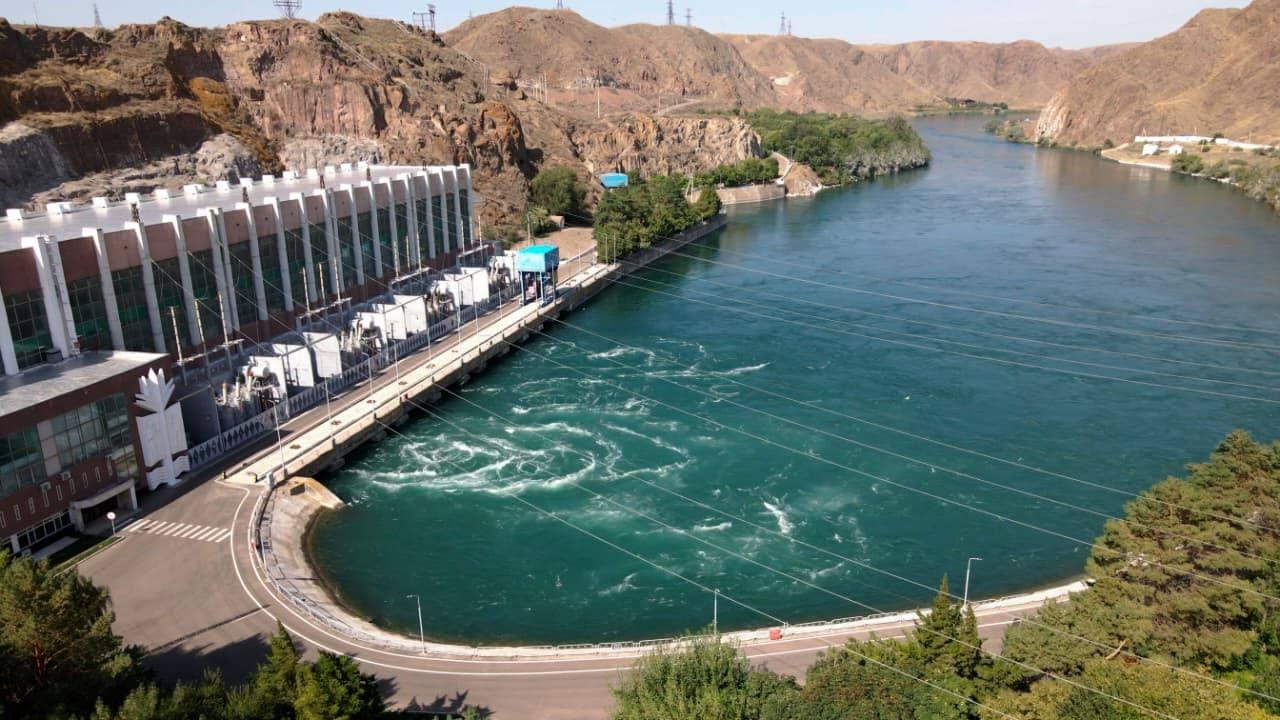
The Ministry of Water Resources and Irrigation has identified 32 water management facilities — reservoirs and hydraulic structures — where small hydroelectric power plants will be built in stages.
The gist in brief
- The first stage involves the construction of small HPPs at five reservoirs in four regions — Karaganda and Aktobe regions, the Abai region, and Kostanay region; their combined capacity will be about 9 MW.
- The second stage plans to build plants at 18 facilities with a total capacity of about 25 MW — together with the first stage, this amounts to roughly 34 MW of new capacity.
- The third stage includes another 9 promising sites, six of which are associated with reservoirs that are yet to be built in the Abai region and East Kazakhstan region.
- The project is not starting from scratch: the state enterprise "Kazvodkhoz" already operates three small HPPs with a total capacity of about 5 MW — in the North Kazakhstan and Karaganda regions, as well as on the transboundary Khorgos River.
Where the first five plants will be built
The ministry clarified the geography of the first stage: "The first stage involves the construction of small HPPs at five reservoirs in four regions of Kazakhstan. In the Karaganda region, the Samarkand Reservoir will be the site for one of the plants. In the Aktobe region, an HPP is planned at the Kargaly Reservoir."
Another facility is located in the Abai region — at the Karakol Reservoir, while in the Kostanay region the first stage includes two reservoirs at once — Karatomar and Verkhne-Tobolsk. The combined capacity of these five plants will be about 9 MW.
Next stages
The second stage is considerably larger than the first — 18 facilities with a combined capacity of about 25 MW.
The ministry emphasized: "If we combine the figures of the first and second stages, we are talking about approximately 34 MW of potential new capacity. Moreover, the project is not limited to the already selected sites."
The third stage includes nine promising facilities, six of which are tied not to existing but to future reservoirs in the Abai region and East Kazakhstan region — meaning the program initially builds in the integration of small HPPs into new water management infrastructure that has not yet been constructed.
Not from scratch — already operating plants
Minister of Water Resources and Irrigation Nurzhan Nurzhigitov emphasized that the new projects build on accumulated experience: "For the first and second stages, the necessary documentation is being developed and project implementation issues are being worked out. Currently, the state enterprise 'Kazvodkhoz' already has three small HPPs with a total capacity of about 5 MW in the North Kazakhstan and Karaganda regions, as well as on the transboundary Khorgos River."
The mention of Khorgos is telling — a transboundary river where a small HPP is already operating, demonstrating the practical applicability of such plants even on rivers shared with neighboring countries.
Part of a broader energy picture
The development of small hydropower logically continues several trends we have been tracking this year. We have already reported that Kazakhstan is conducting intensive negotiations with its neighbors over transboundary water and, in parallel, is ramping up the commissioning of renewable energy facilities — 212 MW of new RES capacity from ten facilities planned for 2026. Small HPPs at water management facilities logically complement this picture: unlike large hydropower projects, they use existing reservoir infrastructure originally built for other purposes — irrigation, water supply, flow regulation — turning it into an additional source of generation with almost no need for new major dam construction.
Author's conclusion
Small HPPs at water management facilities are a rare example of an energy project that solves two tasks at once: it provides the country with additional generation while making more efficient use of infrastructure that already exists and is already maintained. The breakdown into three stages with a gradual increase in scale — from 9 MW in the first stage to far more ambitious plans later — demonstrates a cautious but consistent approach: before expanding the program to dozens of facilities, Kazakhstan first tests the model at five specific, already selected sites.
Comments ()