Kazakhstan implements 24 investment agreements in the energy sector totaling 3.8 GW
Kazakhstan's energy system is set for a notable capacity boost through a mechanism already proven in practice.
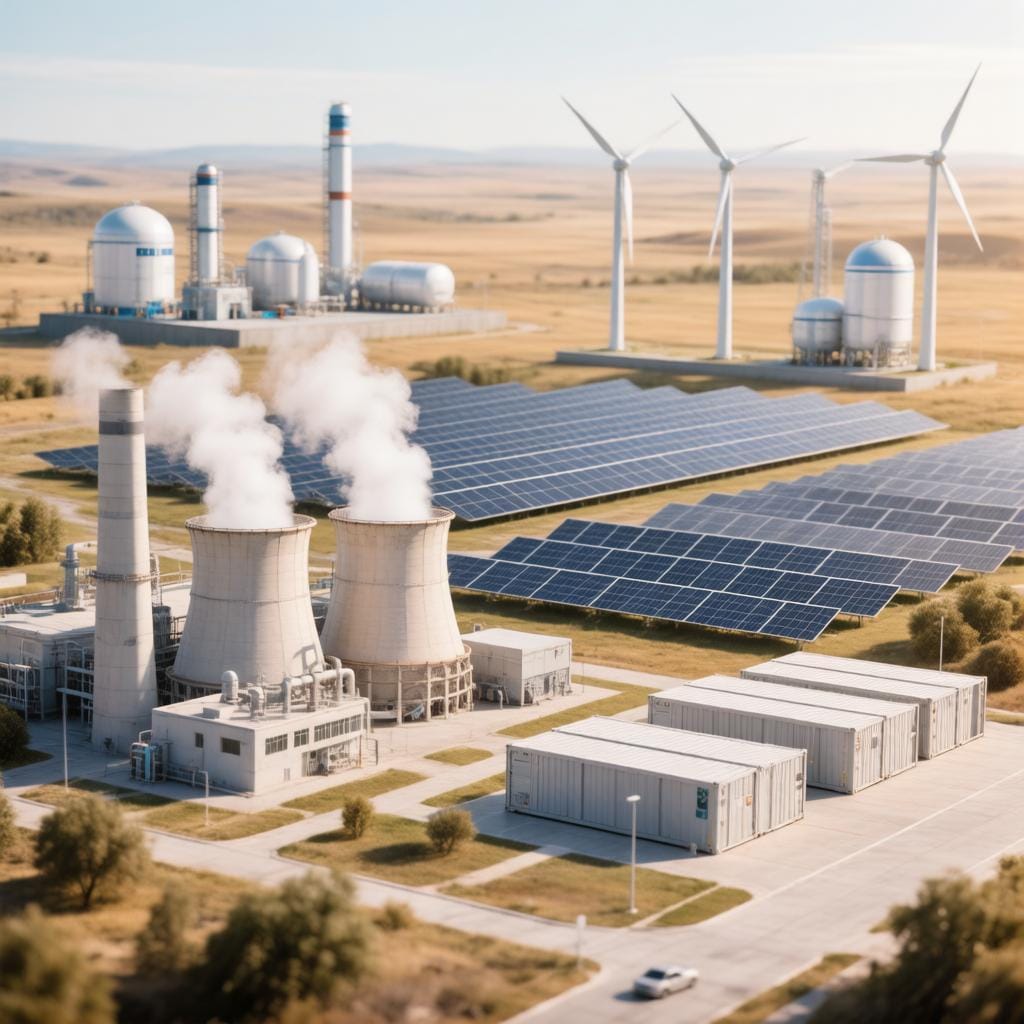
The Public Council on Fuel and Energy Complex Issues under the Ministry of Energy has summed up interim results: the current portfolio of investment agreements in the industry is five times larger than what has already been implemented, reports inbusiness.kz.
The gist in brief
- Kazakhstan has completed 9 investment agreements in the energy sector with a total capacity of 963 MW, and another 24 agreements with a combined capacity of 3.8 GW are currently being implemented.
- The investment agreement mechanism is aimed at modernizing, expanding, reconstructing and upgrading energy facilities — both existing and new ones.
- By 2035, Kazakhstan plans to commission more than 8 GW of additional renewable energy capacity, which will require the parallel development of energy storage systems and distributed generation.
- Separately, the Concept for the Development of Hydrogen Energy until 2040 is being updated — a direction that affects not only the energy sector but also industry and transport.
Investment agreements as a working tool for modernization
The meeting of the Public Council was chaired by Zhakyb Khaibushev and covered the full range of issues related to the development of the electric power industry.
The ministry emphasized: "Over the entire period of implementation of this instrument in Kazakhstan, 9 investment agreements have already been completed. Their total capacity amounted to 963 MW. Currently, another 24 investment agreements with a total capacity of 3.8 GW are being implemented."
The ratio is telling — the current project portfolio already exceeds the volume of everything that had been implemented through this mechanism before, which means the pace of industry modernization is accelerating. According to ministry representatives, the investment projects cover several areas at once — from modernizing existing energy facilities to building new generation capacity.
Renewables and the problem of unstable generation
A special place on the meeting's agenda was given to alternative energy — solar and wind generation, hydropower and hydrogen energy. The growing share of renewable sources naturally raises another issue: solar and wind plants depend on weather conditions, which means that additional tools for managing generation and consumption are required to ensure the stability of the power system. That is why meeting participants separately discussed the development of energy storage systems — technologies that allow storing generated electricity and using it during peak demand, smoothing out fluctuations between generation and load.
"Distributed generation makes it possible to bring electricity production closer to end consumers. Combined with storage systems, this direction could become an additional tool for improving the reliability of power supply to individual territories and facilities," the ministry noted.
Hydrogen as a longer-term bet
The most distant topic on the meeting's implementation horizon was hydrogen energy. The update of the Concept for the Development of Hydrogen Energy until 2040 is being considered precisely from a long-term perspective: the direction is linked not only to the energy sector but also to industry, transport and the potential for producing fundamentally new types of energy carriers. The fact that this topic is being raised now, alongside more down-to-earth issues of thermal power plant modernization, shows that Kazakhstan's energy strategy is being built across several time horizons simultaneously, rather than being focused solely on the nearest five-year periods.
Author's conclusion
The picture outlined by the Ministry of Energy shows Kazakhstan's energy sector in the process of simultaneous work across several fronts — modernization of traditional generation, expansion of renewables, development of storage systems and distributed generation, and a long-term bet on hydrogen. The real test will not be the number of signed agreements, but how much of the declared 3.8 GW of investment projects and 8 GW of renewable capacity will actually be commissioned by the stated deadlines — 2035 for renewable energy and 2040 for hydrogen technologies.
Comments ()