Kazakhstan intends to increase aquaculture production by 2.5 times by 2028
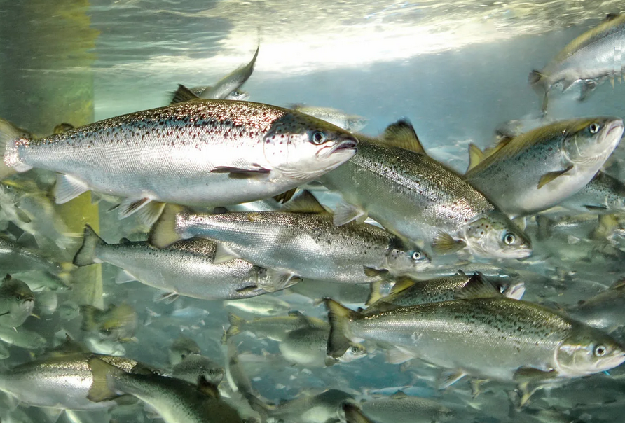
The Government of Kazakhstan has approved a plan to increase commercial aquaculture production by 2.5 times by 2028. This is expected to reduce the domestic market's dependence on imported fish and seafood, as well as create new jobs in coastal and rural regions.
In a nutshell
- By 2028, aquaculture production in Kazakhstan is planned to increase by 2.5 times.
- The measure is aimed at import substitution and the development of the agro-industrial complex.
- Growth in the sector involves expanding fish farms and modernizing infrastructure.
- Specific mechanisms and funding volumes have not yet been disclosed.
Plans and prerequisites
According to a statement from the Ministry of Agriculture of the Republic of Kazakhstan, the target indicator provides for an increase in the production of commercial fish and other aquaculture objects from current levels to significantly higher values by 2028. The ministry notes that the current volume of domestic production covers only part of the market's needs, and a significant share of fish products is still imported.
The development of aquaculture is considered one of the priority areas for diversifying the agro-industrial complex, especially given the climate risks for traditional crop and livestock farming. Kazakhstan's water resources — lakes, reservoirs, and pond farms — make it possible to significantly increase the volume of valuable fish species cultivation, including sturgeon, carp, and salmon.
Current state of the industry
Currently, aquaculture in Kazakhstan remains a relatively small segment of the agro-industrial complex. The main production volumes are concentrated in the Almaty, Turkestan, Kyzylorda, and East Kazakhstan regions.
Constraints on the industry's growth include:
- outdated infrastructure of fish farms;
- a shortage of high-quality feed and stocking material;
- underdeveloped processing and logistics systems;
- high dependence on imported equipment.
Prospects and risks
Increasing production by 2.5 times in three years is an ambitious task requiring systemic measures. The authorities plan to stimulate the inflow of private investment through subsidies and concessional lending. However, the specific mechanisms for achieving the target indicators, including funding volumes and a roadmap, have not yet been detailed in official statements.
According to the Ministry of Agriculture of the Republic of Kazakhstan, the methodology for calculating the target indicators and the sources of program funding have not been disclosed at this time. Experts note that without a clear investment program and modernization of the feed base, achieving the stated growth rates could face serious limitations.
Author's conclusion
The plan to increase aquaculture production by 2.5 times is a logical step for Kazakhstan, which is seeking to reduce food dependence and diversify agriculture. However, the success of the initiative will depend not so much on declarations as on concrete support measures, the availability of financing, and solving infrastructure problems. Without a detailed roadmap and transparent subsidy mechanisms, the risks of failing to meet the plan remain high.


Comments ()