Kazakhstan to allocate 13 trillion tenge for modernization of energy and utilities by 2029
By 2029, average wear of engineering infrastructure should drop to 40%, accident rates fall by 25%, and 70 utilities exit the high-risk zone.
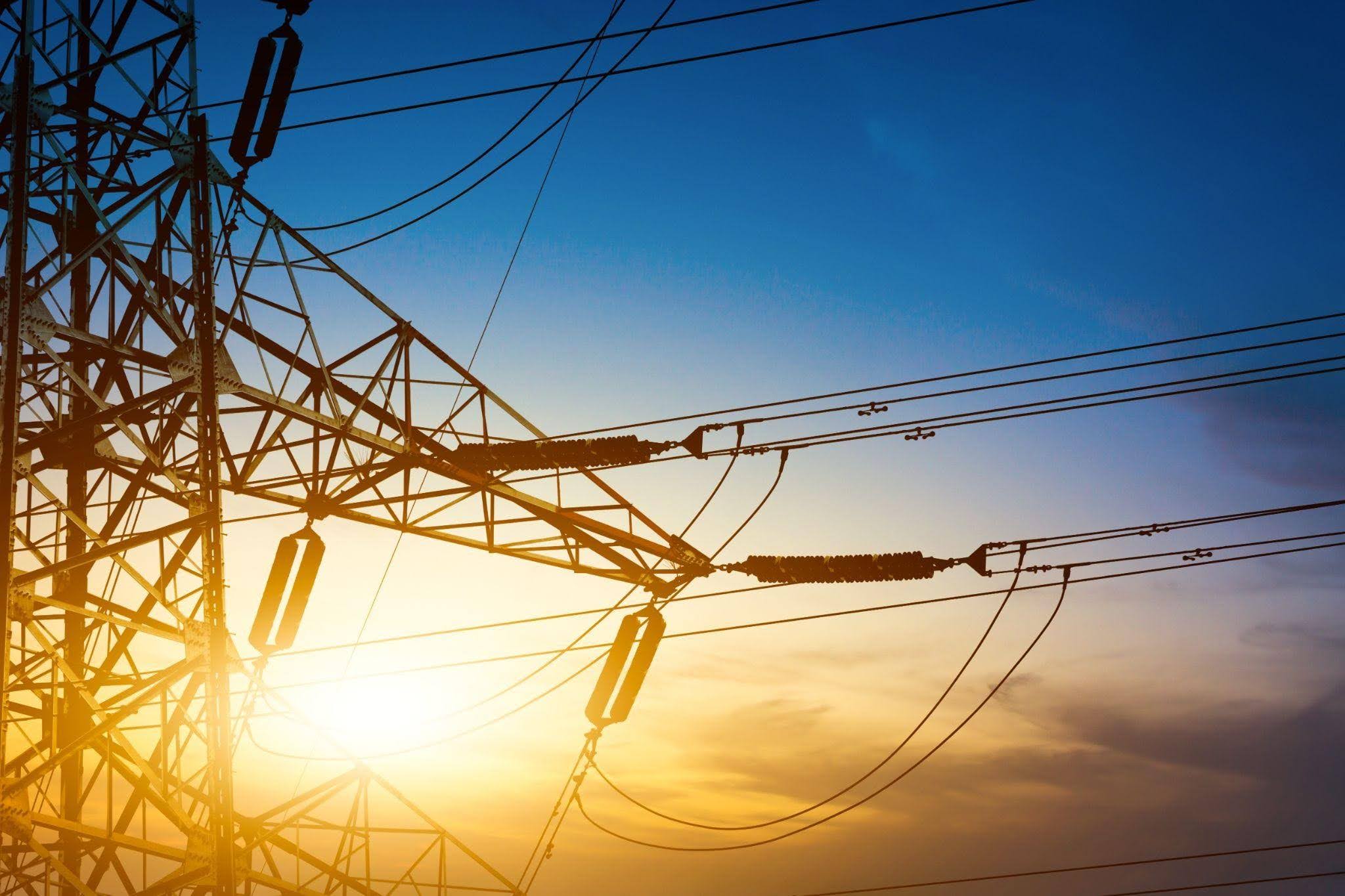
At a government meeting on July 28, 2026, Vice Minister of National Economy Asan Darbayev reported on the progress of a national project designed to close one of the country's most painful infrastructure gaps — worn-out electricity and heat supply networks. Over five years, the state plans to build and modernize 27 generation facilities and spend 13 trillion tenge on the entire program — an amount comparable to half of the annual republican budget.
The Gist
- The national project "Modernization of the Energy and Utility Sectors" was adopted at the end of 2024, and its institutional framework was fully formed in 2025.
- The total investment volume for 2025–2029 is 13 trillion tenge: 6.2 trillion for the energy sector and 6.8 trillion for the utility sector.
- Plans include building and modernizing 27 generation facilities with a total capacity of 7,309 MW, as well as repairing 84,000 km of engineering networks.
- By 2029, the average wear and tear of engineering infrastructure across the country should decrease to 40%, the accident rate should be reduced by 25%, and 70 utility companies should move out of the high-risk zone.
The National Project Aimed at Closing the Infrastructure Gap
The national project "Modernization of the Energy and Utility Sectors" was adopted at the end of 2024, and in 2025, according to Darbayev, its institutional framework was fully established — legislative changes were adopted in the areas of budget, construction, and regional development, and an electronic platform for project implementation was launched. The program covers 247 natural monopoly entities across the country. The main stated goal is the gradual reduction of the wear and tear level of engineering infrastructure, increasing the reliability of energy supply systems, and improving the quality of utility services for the population.
Where the 13 Trillion Tenge Will Go
Of the total investment volume for 2025–2029, 6.8 trillion tenge will be directed to the utility sector, and 6.2 trillion tenge to the energy sector. To put the scale in perspective: previously, relevant departments estimated the need for repairing the country's engineering networks alone at 1.7 trillion tenge — meaning the current five-year program is many times larger than even those earlier, much more modest estimates. The expanded funding is explained by the fact that the project includes not only repair work but also the construction of new generating capacities, rather than just patching up existing networks.
27 Facilities and 7,300 Megawatts — What This Means in Practice
With funds from the national project, it is planned to commission energy sources with a total capacity of 7,309 MW and build or modernize 27 generation facilities. For context: this is almost three times the design capacity of the future Balkhash NPP (2.4 GW for two VVER-1200 power units), which is being built separately from this national project and will become the largest, but not the only, source of new generation in the country in the coming decade. Simultaneously, 84,000 km of engineering networks must be repaired and modernized — a distance twice the length of the equator.
What Should Change by 2029
The government has set measurable targets: by 2029, the average level of wear and tear of engineering infrastructure across the country should decrease to 40%, and the accident rate at facilities should be reduced by 25%. A separate goal is to move 70 utility companies out of the high-risk zone, while the share of enterprises with sustainable infrastructure should be about two-thirds of the total number of natural monopoly entities covered by the project.
Author's Conclusion
The announced 13 trillion tenge represents Kazakhstan's most ambitious attempt to date to systematically address the decades-long accumulated wear and tear of its energy and utility infrastructure, rather than simply patching up emergencies as they occur. In parallel, a separate major project in nuclear energy is being implemented in the country — the construction of the Balkhash NPP — and together, these two tracks form a much larger picture of energy system renewal than one might assume from isolated news about repairing heating mains or laying a reactor foundation. The real test of the entire program will not be the amount of allocated money, but whether the wear and tear and accident rates actually decrease by 2029 as stated today.
Comments ()