Kazakhstan will lose its only producer of baker's yeast
Bread is a staple for many Kazakhstanis, yet the raw material for it has been produced by a single plant in the country all along.
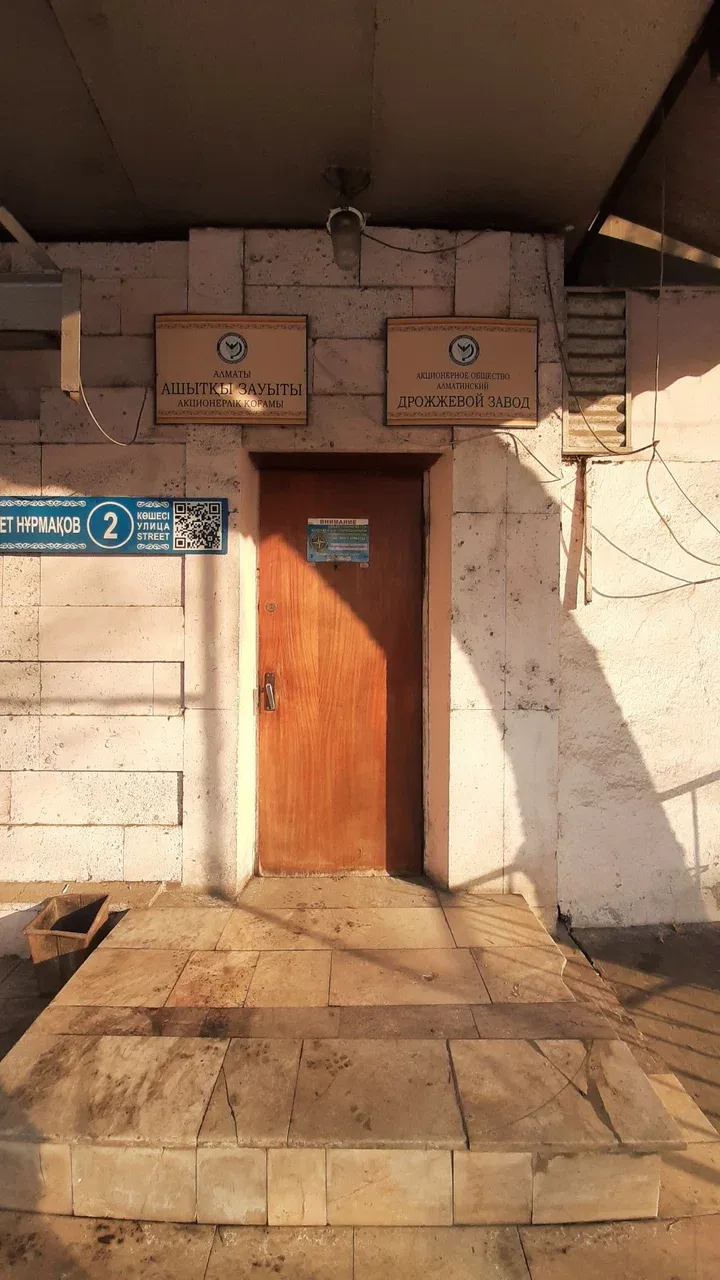
After 57 years of continuous operation, having survived the collapse of the USSR, privatization, and several economic eras, the enterprise is voluntarily ceasing to exist, reports Digital Business.
The essence in brief
- The liquidation of the Almaty Yeast Plant is beginning in Almaty — the only specialized producer of baker's yeast in Kazakhstan, operating since 1969; today the enterprise employs 93 people.
- The decision on voluntary liquidation was made by the shareholders themselves at an extraordinary general meeting — owners of 22,206 shares voted in favor, with only 258 against.
- Based on the results of 2025, the plant posted a net loss of 133.4 million tenge — almost 6.5 times more than the previous year (20.6 million tenge).
- Back in August 2026, shareholders approved the sale of the enterprise's real estate and two land plots with a total appraised value of over 3.28 billion tenge — the published documents did not specify to whom exactly these assets were intended.
Half a century of history — from the book of honor to losses
The plant initially produced pressed yeast, underwent a large-scale reconstruction in 1976 with equipment replacement, and in 1981 was entered into Kazakhstan's book of honor based on the results of the republican socialist competition among food industry workers. After the collapse of the USSR, the enterprise did not stop but consistently passed through several forms of ownership — in 1989 it switched to self-financing, in 1991 it became a production cooperative, and in 1993 a closed joint-stock company. The plant's product range included dry and pressed yeast under the brands "Almaty Traditional," "For Sweet Dough," "Ulken Toy," as well as organic yeast additives and fertilizers for agriculture — but the main product throughout its entire history remained baker's yeast.
Dumping as the main reason
The plant's problems with competition from imported products did not arise yesterday — back in 2015, management publicly announced a sharp drop in sales due to the influx of imported yeast. In 2021, the enterprise appealed to the Eurasian Economic Commission with a complaint against the Russian producer "Angel East Rus," alleging the sale of yeast at dumping prices. And already in January 2026, the National Chamber of Entrepreneurs "Atameken" reported that due to the growth of dumping imports and gray supply schemes, the plant was forced to cut sales volumes in half. At the same time, the enterprise continued to operate right up until the very decision on liquidation — in 2026 it was still exporting products, including to Uzbekistan, and bakeries themselves in 12 regions of Kazakhstan and neighboring countries continued to use Almaty yeast.
What will happen to the market next
According to a report by the Eurasian Economic Commission from as far back as 2021, the plant's production capacity allowed it to fully meet the needs of the Kazakhstani market for pressed and dry baker's yeast. After the liquidation of the only specialized domestic producer, the key question remains open: who will fill the vacated niche and how much the dependence of Kazakhstani baking on imported yeast will grow — especially given that it was precisely dumping imports, according to the testimony of the enterprise itself and the National Chamber of Entrepreneurs "Atameken," that became one of the main reasons for its closure.
Author's conclusion
The story of the Almaty Yeast Plant is a rare case in which the closure of a manufacturing enterprise is documented in such detail: from official complaints about dumping back in 2015 to specific figures of declining sales and growing losses right before the liquidation itself. The plant did not collapse suddenly — its unprofitability grew predictably and gradually, against the backdrop of repeated public warnings about dumping competition that were left without a systemic response. For the food security sector as a whole, this is an illustrative case: a market whose needs could be fully met by domestic production can disappear not because of a lack of demand for its products, but because of an inability to compete on price with imports supplied in circumvention of fair trade practices.

Comments ()