Kitchen Lab: Pocket-Sized Sensor Developed in the US to Test Food for Bacteria, Pesticides, and Antibiotics
Researchers at UT Dallas are developing a portable device to test food and water for hazardous contaminants in minutes at home.
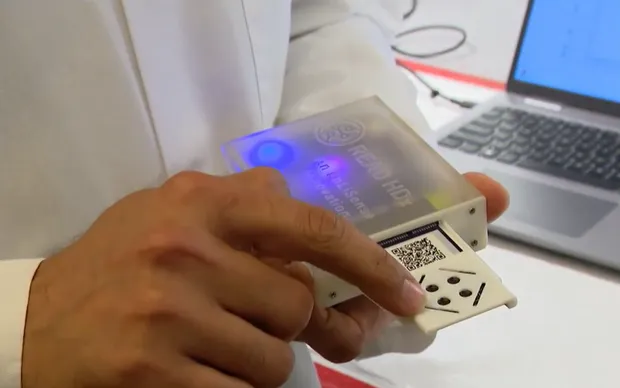
The READ (Rapid Electro Analytical Device) sensor is capable of simultaneously detecting bacteria, parasites, pesticides, antibiotics, and fungal toxins, which could change the approach to food quality control, reports CBS News.
The Gist
· A portable READ sensor for home testing of food and water has been developed in the USA.
· The device analyzes a sample in just a few minutes.
· The sensor can simultaneously detect up to 16 different contaminants, including bacteria, pesticides, antibiotics, parasites, and fungi.
· The technology has already undergone a series of laboratory tests and is preparing for pilot testing.
· The developers aim to bring the device to market within the next year.
How the Device Works
The development is based on a miniature electrochemical sensor platform created by researchers at the Department of Bioengineering at UT Dallas.
Usage is extremely simple. Just take a small sample of the product — for example, a lettuce leaf or a berry, lightly crush it, and apply it to the sensor.
The device then automatically analyzes the sample and, within minutes, determines the presence of hazardous substances.
According to the project lead, Professor Shalini Prasad, the technology allows for the simultaneous search of 16 different types of contaminants. These include:
· bacteria (including E. coli and Salmonella);
· parasites;
· fungi;
· antibiotics;
· pesticides;
· herbicides.
The Development Was No Accident
According to Shalini Prasad, the project idea arose not only as a scientific challenge but also as a personal need.
As a mother of two, she was looking for a way to make food quality control as accessible as possible for ordinary families.
Another advantage of the technology is the ability to quickly adapt the sensor to new threats.
If new types of bacterial outbreaks emerge or previously unknown contaminants are identified, the design can be quickly reconfigured without creating a new device.
As the researcher notes: "We don't know what the next epidemic will be, so we can't wait for the necessary tools to be developed after it starts."
From the Lab to the Home Kitchen
The development is based on the results of several studies published by the UT Dallas team.
In 2024, scientists already demonstrated the ability to detect:
· E. coli in less than 5 minutes;
· Salmonella in less than 9 minutes;
· the herbicide paraquat in drinking water.
Currently, specialists are working on expanding the list of detectable contaminants, including mycotoxins and other hazardous substances. After completing pilot tests, the device is planned to be prepared for commercial use.
What This Means for Kazakhstan
For Kazakhstan, such technologies are of interest in several areas at once.
Firstly, the country is actively increasing its export of agricultural products, and global market requirements for food safety are constantly becoming stricter.
Secondly, the republic continues the digitalization of its product quality control system. Previously, Hunn.kz reported on the Ministry of Agriculture's plans to introduce mandatory quarantine certificates for the transportation of regulated products between regions and to transition phytosanitary control to a digital basis.
If such portable sensors become widespread, they could complement the existing state control system, allowing producers, retail chains, and even buyers to independently conduct rapid checks of products before consumption.
Author's Conclusion
Home tests for water and food quality have long remained more of a scientific concept than a practical tool. However, the development of miniature electrochemistry and sensor technologies is gradually making them a part of everyday life. If the UT Dallas project successfully passes pilot tests, consumers will, for the first time, be able to independently check products for a wide range of hazardous contaminants in just a few minutes — without needing to go to a specialized laboratory. For the global food industry, this could become as significant a milestone as home glucose meters once were for monitoring blood sugar levels.


Comments ()