NCOC assets seized — Kashagan fine collection moves from paper to practice
The standoff over the environmental fine for Kashagan's operator enters a new, far more concrete phase.
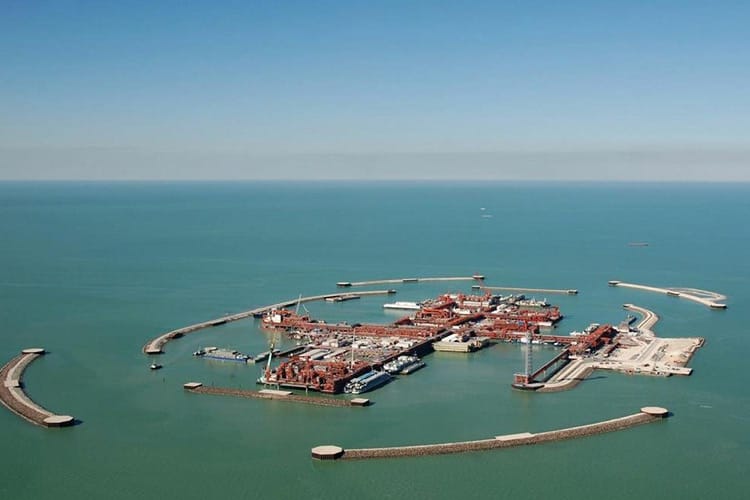
We continue to monitor the situation with the collection of a fine from the largest oil and gas field. If two weeks ago we were talking about an entry in the debtors' register without real restrictions, now, according to the Atyrau region ecology department, NCOC's property has already been seized — and the case has been handed over to state bailiffs, Kazinform reports.
The gist in brief
- On August 6, 2026, the case of collecting 2.3 trillion tenge from NCOC was handed over for enforcement to state bailiffs of the justice department; the company's property has been seized.
- Of the seven administrative cases against NCOC for environmental violations last year, six have already been closed — in the first half of 2026, 1.5 billion tenge from them was received into the local budget; the dispute continues over only one, the largest case.
- Materials on the remaining case were sent to the justice department as early as July 20, and the enforcement period for the writ of execution is two months.
- NCOC continues to challenge the fine in international arbitration and insists that collection cannot be carried out until the proceedings are completed.
From debt registration to asset seizure
The chronology of the past month shows a consistent escalation of pressure rather than a one-off action. Earlier, we wrote about how Kazakhstan gave NCOC a deadline of July 20 to voluntarily pay the fine, and after that deadline expired, the Ministry of Justice warned consortium head Giancarlo Ruiu of criminal liability for failing to comply with the court ruling. A few days later, Kazakhstan initiated enforcement proceedings and added NCOC to the Unified Debtors' Register — but at that point there were no specific restrictions on the company's assets. The statement by the head of the Atyrau region ecology department, Askar Zhusipov, about the seizure of NCOC's property is the first qualitative leap from a formal legal procedure to practical consequences for the company.
Six cases closed, the seventh — the main point of contention
A subtle but telling detail from the latest statement: seven administrative cases totaling 2.3 trillion tenge were brought against NCOC last year, and all court proceedings on them have already been completed. On six of the seven cases, the company paid 1.5 billion tenge into the local budget in the first half of 2026 — meaning NCOC complies with court rulings where it does not contest the substance of the claims. All the fundamental confrontation is concentrated around one, but many times larger, case — the very fine for exceeding permissible sulfur storage volumes, which the company considers unjustified and is challenging in international arbitration.
What's next — two months for enforcement
The enforcement period for the writ of execution handed over to state bailiffs is two months from the moment the materials were received by the justice department — that is, from July 20. This provides a rough timeframe for when the parties must either reach a resolution or the conflict will move into the next phase of pressure. At the same time, NCOC still counts on the position of international arbitration: the consortium insists that the UNCITRAL interim order should suspend any enforcement measures until a final decision on the merits of the dispute is rendered.
Author's conclusion
The asset seizure is the most concrete step taken by the Kazakh side in the entire month of escalation, but it is not yet clear which specific assets and to what extent fall under the restrictions, and whether this will affect operational activity at the field itself. Kashagan remains Kazakhstan's second-largest oil asset with production of approximately 430–450 thousand barrels per day, and it is precisely this that forces both sides to act cautiously even amid public confrontation. The two-month enforcement period is the timeframe within which it will become clear whether Kazakhstan and NCOC will find a compromise before the arbitration concludes, or whether the country will resort to harsher measures despite the international proceedings.


Comments ()