Nuclear Energy in Central Asia in the Global Energy Transition
Central Asia could become a key player in global nuclear energy—not just as a uranium supplier, but where atomic generation tackles energy shortages and decarbonization.
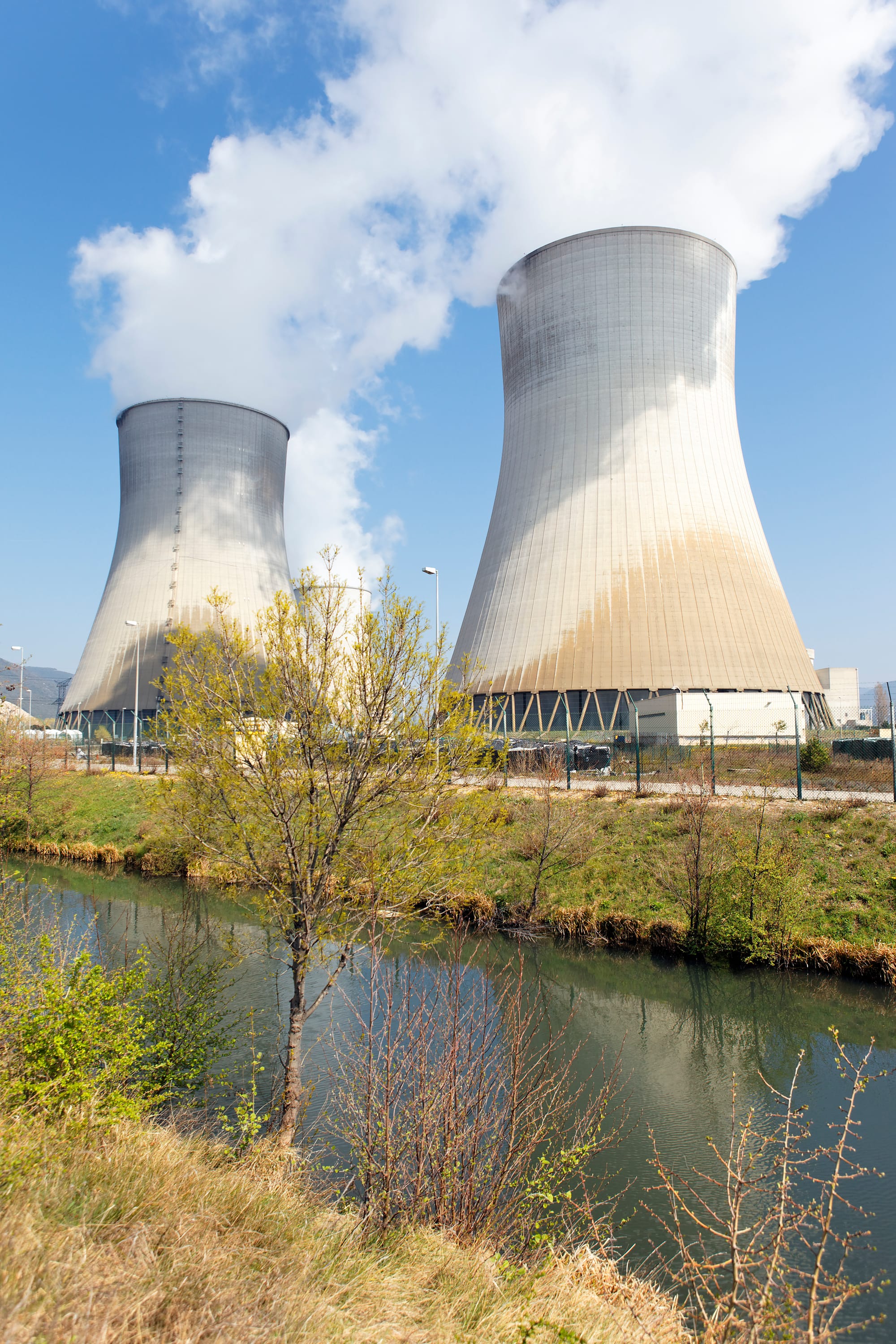
As reported by Staffetta Quotidiana, realizing Central Asia's nuclear potential requires overcoming infrastructural, political, and environmental barriers.
In Brief
•Kazakhstan remains one of the world's largest uranium producers, giving the region a strategic advantage in the nuclear agenda.
•In the context of the global energy transition, nuclear generation is considered a low-carbon source of baseload power.
• Central Asia faces an electricity deficit, especially in winter, making nuclear power plants an alternative to coal generation.
• Implementing projects requires international cooperation, financing, and addressing safety issues.
The Role of Uranium Potential
Kazakhstan holds a leading position in global uranium mining, which forms a natural basis for developing nuclear energy in the region. However, uranium processing and enrichment remain outside Central Asia for now, creating a dependence on external technological chains.
In the context of the global energy transition, uranium-importing countries are increasingly viewing nuclear generation as a stable, low-carbon source. This opens up not only export opportunities for Kazakhstan but also prospects for creating a closed nuclear fuel cycle within the region.
Energy Balance and Deficit
Central Asia faces a chronic electricity deficit, especially during the autumn-winter period. Existing generation is based primarily on coal and gas, creating both environmental problems and risks for energy security.
Nuclear energy could provide stable baseload power, reducing dependence on seasonal fluctuations in hydropower and volatility in fossil fuel prices. However, constructing nuclear power plants requires significant investment and long implementation timelines.
International Cooperation and Challenges
The development of nuclear energy in Central Asia is impossible without the participation of international partners — both in terms of technology and in matters of financing and safety.
Russia, China, France, and South Korea are already showing interest in projects in the region. Key challenges remain:- ensuring the physical security of facilities- training qualified personnel- disposal of spent nuclear fuel- public perception of nuclear energy.
Environmental Context
In the context of the global energy transition, nuclear generation is considered a low-carbon alternative. For Central Asia, where coal generation remains dominant, a shift to nuclear energy could significantly reduce greenhouse gas emissions. However, issues of safety and radioactive waste management remain subjects of debate.
Author's Conclusion
Central Asia possesses a unique combination of resource base and energy needs that make nuclear energy a logical element of the regional strategy. However, without a clear risk assessment methodology and transparent public discussion, the implementation of nuclear projects may face serious obstacles.
Comments ()