Pump manufacturer Wilo offered to deepen localization in Kazakhstan
German pump manufacturer has operated in Almaty Region for eight years, serving several countries in the region from this site.
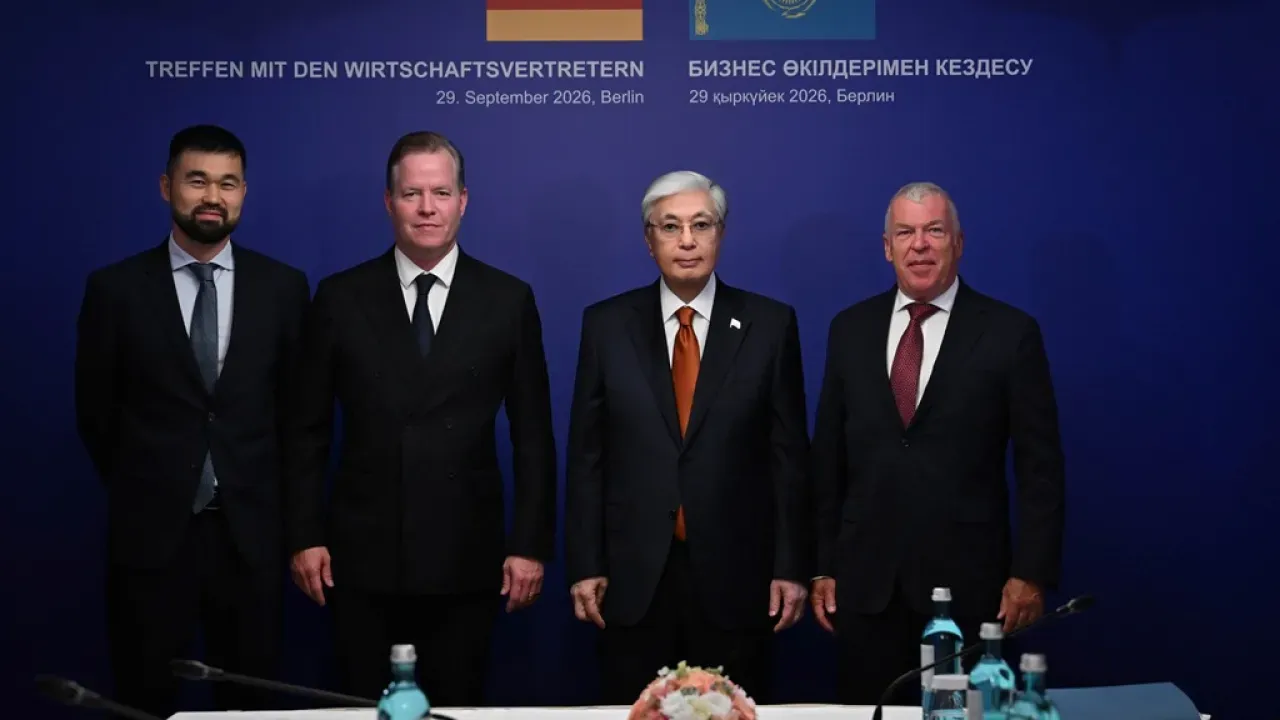
Now Tokayev has proposed that the company deepen localization — move from simple assembly to the production of components within Kazakhstan, DKNews reports.
The gist in brief
- On September 29 in Berlin, President Kassym-Jomart Tokayev met with Wilo Group CEO Oliver Hermes and proposed increasing the share of Kazakhstani components in the company's products, connecting more local suppliers, developing engineering competencies, and localizing service maintenance.
- Wilo has already been operating in the Almaty region since August 2018 — over €4 million has been invested, and the complex with an area of more than 2,000 sq. m includes production, a warehouse, a pump testing center, a service center, and a facility for training engineers.
- The Kazakhstani site already serves as Wilo's regional hub for Central Asia — it serves the markets of Uzbekistan, Tajikistan, Turkmenistan, and Kyrgyzstan, while the company also includes Mongolia, Georgia, Azerbaijan, and Armenia in its broader zone.
- The next project could be a regional service and engineering center for Wilo in the city of Alatau — but specific investments, area, number of jobs, and opening timelines have not yet been announced; this is only about plans that have received a positive assessment from the president.
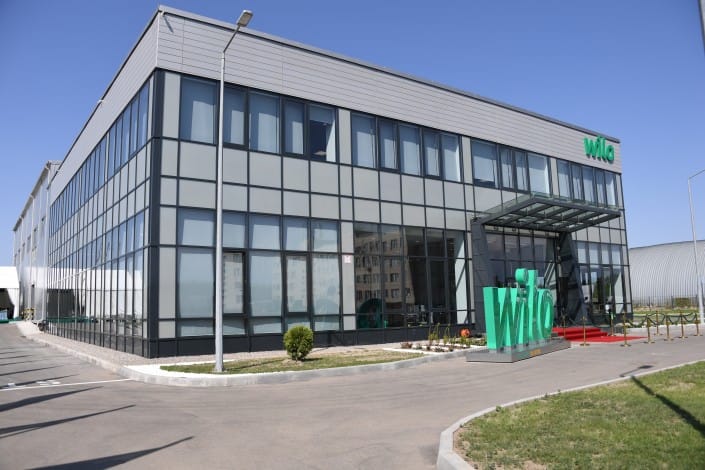
What exactly is already being produced in Kazakhstan
Wilo's local lineup in Kazakhstan includes end-suction, inline, and borehole pumps, as well as equipment for increasing pressure in water supply networks — that is, precisely the categories of equipment directly used in water supply, irrigation, and municipal infrastructure. Back in 2024, the company announced the development of a production expansion program and the search for local component suppliers — Tokayev's current proposal continues an already-launched process rather than starting it from scratch.
Why a factory alone is not enough
For industrial policy, the difference between foreign production in the country and production with a high share of local content is fundamental. If a significant portion of components is imported, then mainly assembly operations, jobs, and part of tax revenues remain within Kazakhstan. Deepening localization — connecting local component manufacturers, service companies, and accumulating engineering competencies — expands this effect, increasing the share of added value that remains in the economy. That is precisely why the question of participation by domestic suppliers was raised separately at the meeting, although neither the target level of localization nor the specific list of components for Kazakhstani production has yet been announced.
The link to Kazakhstan's water cluster
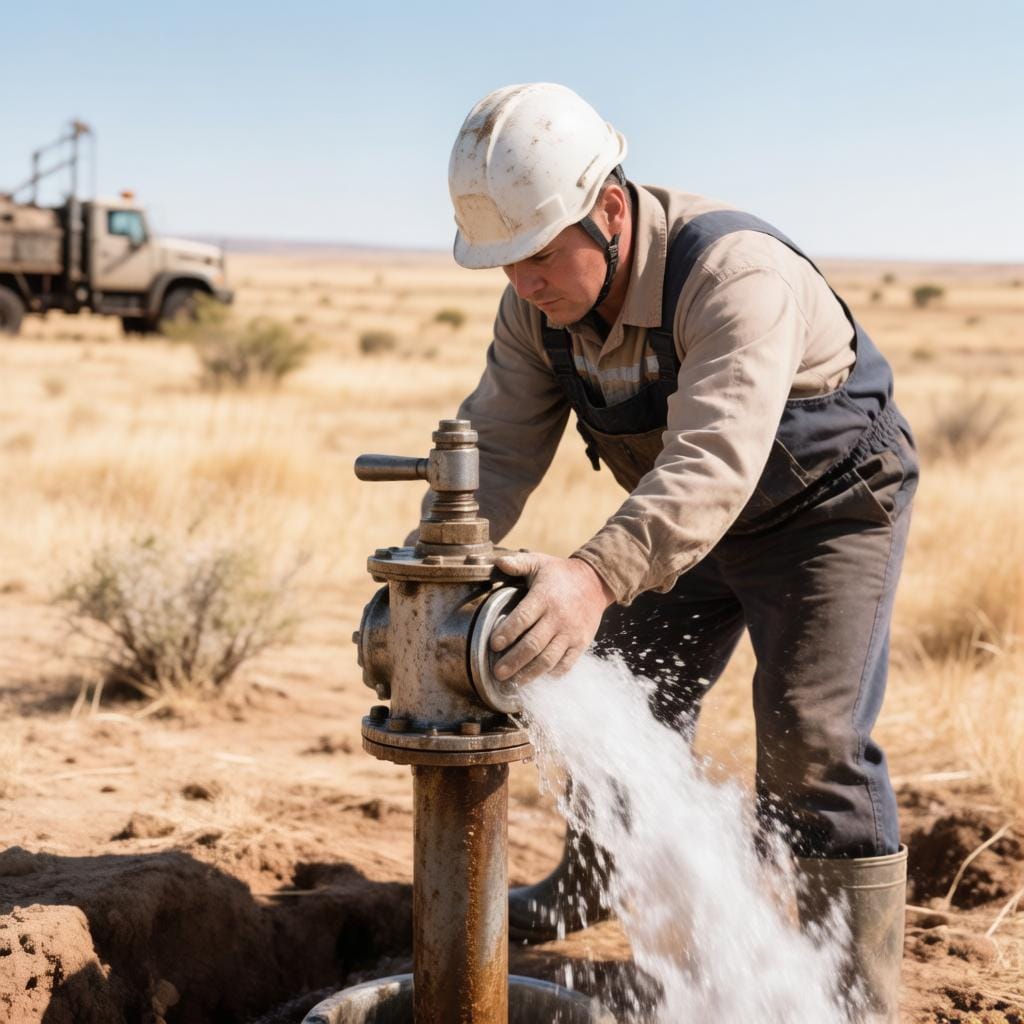
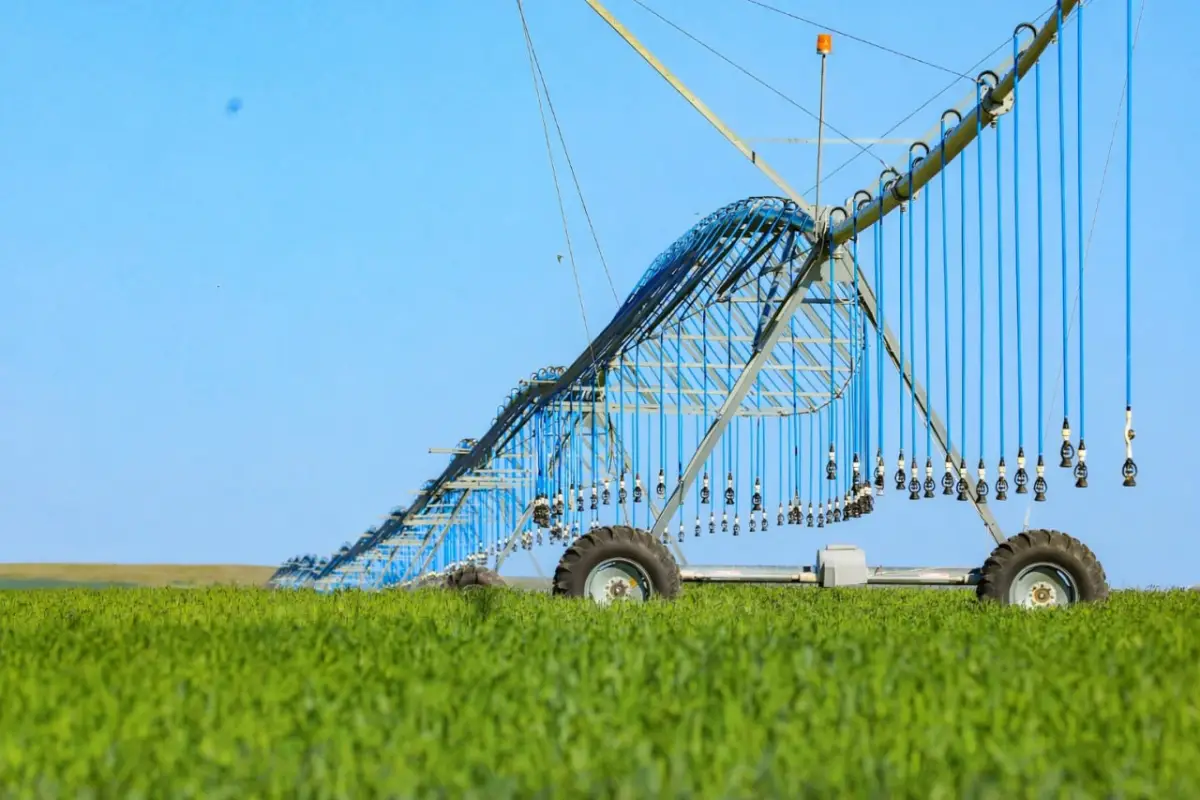
Pumping equipment is not an abstract industrial category, but a specific technological link in the very infrastructure whose development we wrote about with regard to Kazakhstan's water resources. For subsidizing water-saving technologies and modernizing irrigation infrastructure in 2026–2028, the state is allocating 214.6 billion tenge, and the coverage of modern irrigation systems is growing year by year — and all these systems to one degree or another rely specifically on pumping equipment, whether drip irrigation, sprinkler machines, or the extraction of groundwater, access to which the state is simultaneously trying to make almost five times cheaper by reducing the tax on its extraction. The presence of a local manufacturer of such equipment within the country potentially reduces the water sector's dependence on imports of critically important components and could make the equipment itself cheaper for end consumers — farms and municipal services.
Part of a broader agenda with Germany
Cooperation with Wilo fits into Kazakhstan's broader course of transitioning from trade in German equipment to industrial cooperation within the country — a similar agenda was discussed at other recent negotiations with the German side, where production localization and technology transfer were also named among the priorities. More than 1,100 enterprises with German capital currently operate in Kazakhstan, and accumulated direct investment from Germany since 2005 is estimated at approximately $7.8 billion. In this context, Wilo is interesting precisely as an already operating rather than hypothetical example — the company does not simply sell equipment, but has its own production and service complex and genuinely uses the country as a regional platform for neighboring markets.
Author's conclusion
Tokayev's proposal is not the beginning of cooperation, but an attempt to take an already eight-year partnership to a new level: from the presence of production in the country to the formation of a local supplier chain around it. The real indicator of success at this stage will not be words about intentions, but specific contracts with Kazakhstani component supplier enterprises and the fact of opening an engineering center in Alatau — a project that currently remains at the stage of a positively assessed but undetailed plan. For the country's water and irrigation sector, which depends on pumping equipment, deeper localization of such production could become not just a matter of industrial policy, but a practical factor influencing the cost and availability of water-saving technologies on the ground.

Comments ()