Radioactive waste may be placed in the nuclear safety zone at the former test site
Kazakhstan's nuclear agency estimates accumulated radioactive waste at about 293 million tonnes, with some 237 million tonnes being contaminated soil and rock from nuclear tests at the Semipalatinsk test site.
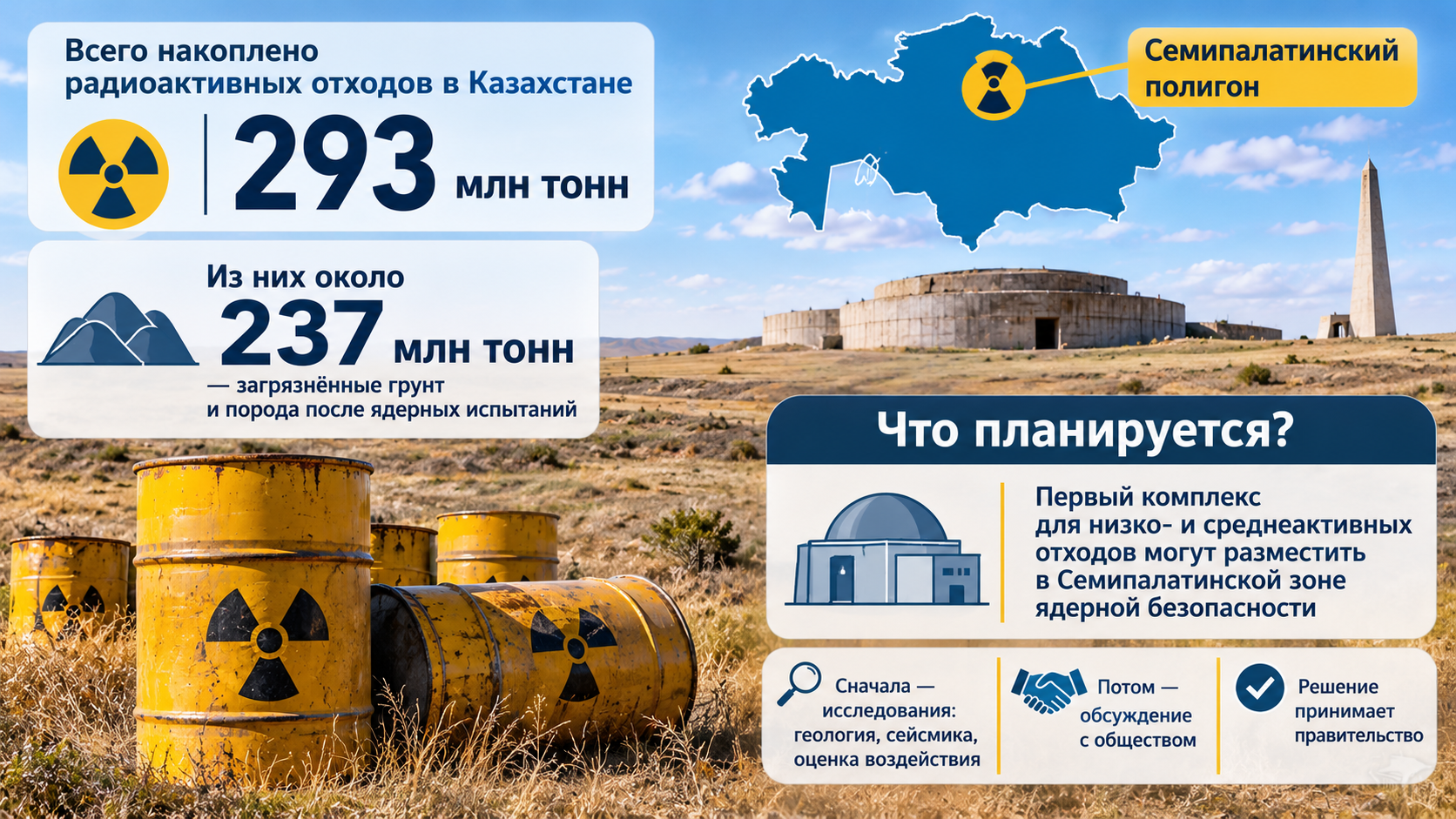
There is no operating final disposal facility in the country, and the first complex for low- and intermediate-level waste is being considered for construction on the territory of a former test site, reports BES.media.
The essence in brief
- Accumulated waste is estimated at approximately 293 million tonnes, of which about 237 million tonnes is contaminated soil and rock from tests at the Semipalatinsk test site.
- There is no operating final disposal facility in the country; waste is stored at licensed facilities.
- The first complex for low- and intermediate-level waste is being considered for construction in the planned Semipalatinsk Nuclear Safety Zone; no decision has been made yet.
- The cost and commissioning timeline are not determined.
How much waste has accumulated
The estimate is preliminary and was made according to the old classification; it needs to be revised in accordance with new legislation. According to a review by scientists of the National Nuclear Center, radioactive contamination of the test site is mainly concentrated in local hotspots: at test epicenters, near wellheads and in water-filled craters. In addition to soil and rock, the country has about 31.3 thousand tonnes of solid intermediate-level and about 170 tonnes of high-level waste, with the rest mainly low-level. The authorities plan to conduct a full inventory and create a unified register of volumes, characteristics and storage locations.
Where it will be stored
Currently, waste is stored in specialized storage facilities and tailings ponds of licensed enterprises. The first specialized complex for low- and intermediate-level waste is being considered for construction on the territory of the planned Semipalatinsk Nuclear Safety Zone, the boundaries of which were fully marked out in August 2026. A final decision has not been made.
Selecting a site requires geological, seismic and climatic studies, an environmental and public impact assessment, consideration of alternative locations and public hearings. The decision on the site and construction is made by the government with the consent of local representative bodies. The complex is envisioned as a processing and long-term storage center, not just a disposal site.
Who will pay and how
The construction cost and commissioning timeline have not been stated: financing will be determined based on a feasibility study and design documentation. Organizations that generate the waste — that is, uranium enterprises, scientific and medical institutions and, in the future, nuclear power plants — will pay for waste management. Transfer of waste to the national operator will be paid. The National Nuclear Center has been appointed as the operator, and its activities will be overseen by the Committee for Atomic Supervision and Control of the agency. Cleaning up the legacy of past years — that is, testing and uranium mining — still requires surveys and cost calculations.
What will happen to the fuel of future nuclear power plants
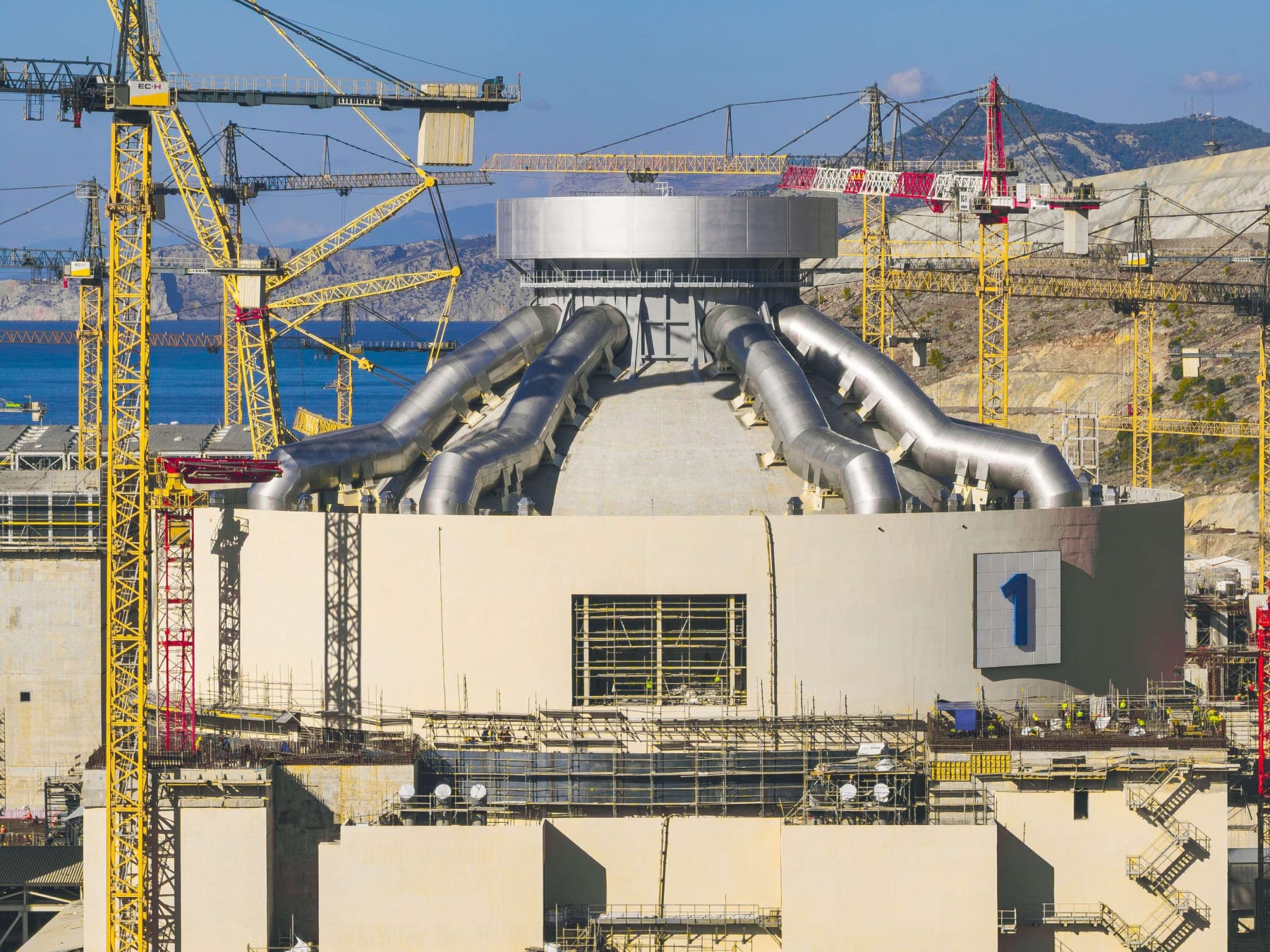
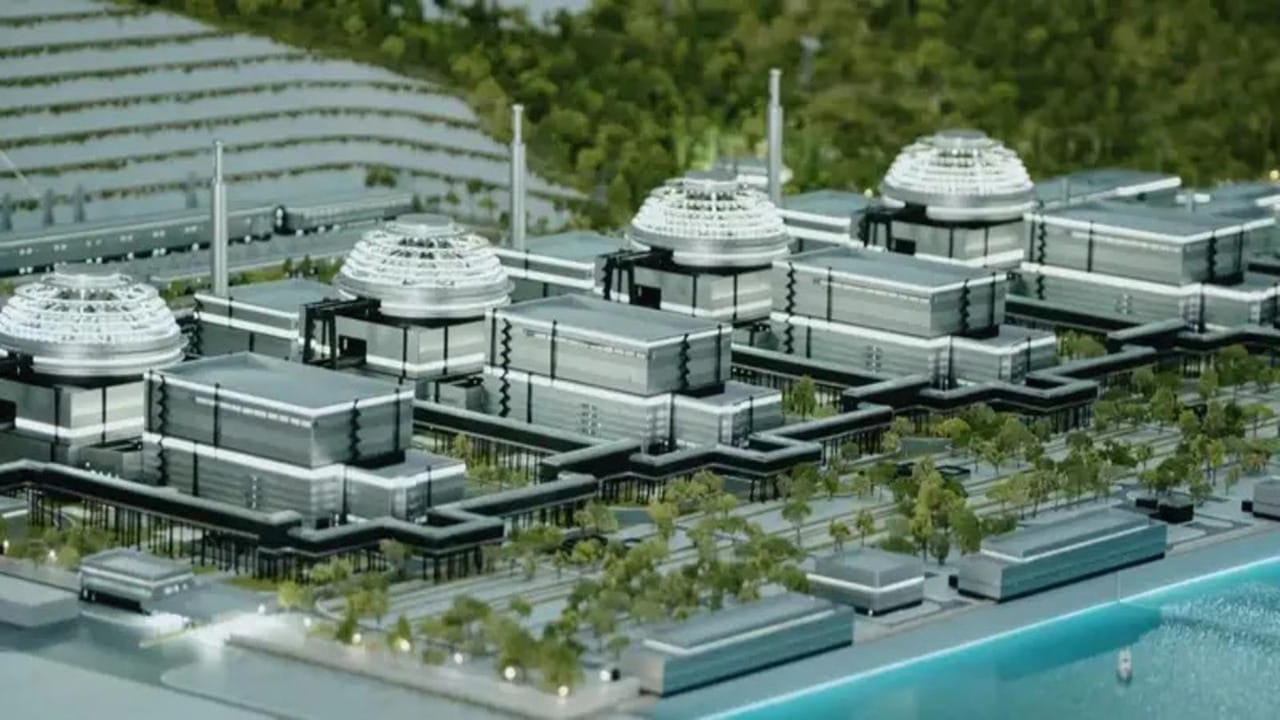
Spent nuclear fuel from future nuclear power plants will first be kept in cooling pools at the stations, then transferred to dry storage. The final approach to it has not been chosen and depends on technology, cost and international practice. The storage facility and the first plant do not have to open simultaneously: temporary storage is permitted before transfer to the operator. For the plants themselves, the country plans a strategic uranium reserve: at least 150 thousand tonnes by 2050. The first nuclear power plant in Kazakhstan is being built by Russia's Rosatom: the construction contract has already been signed.
Author's conclusion
The figure of 293 million tonnes is still preliminary, and it is not the main point of the news. More important is that no decisions have been made yet: neither the site, nor the cost, nor the timeline. Before them, an inventory, geological and seismic studies, an impact assessment and public hearings must take place. Therefore, the next steps are waste accounting and discussion with residents, not construction.
Comments ()