Turkish regulator allows Akkuyu NPP to operate beyond the 60-year design life
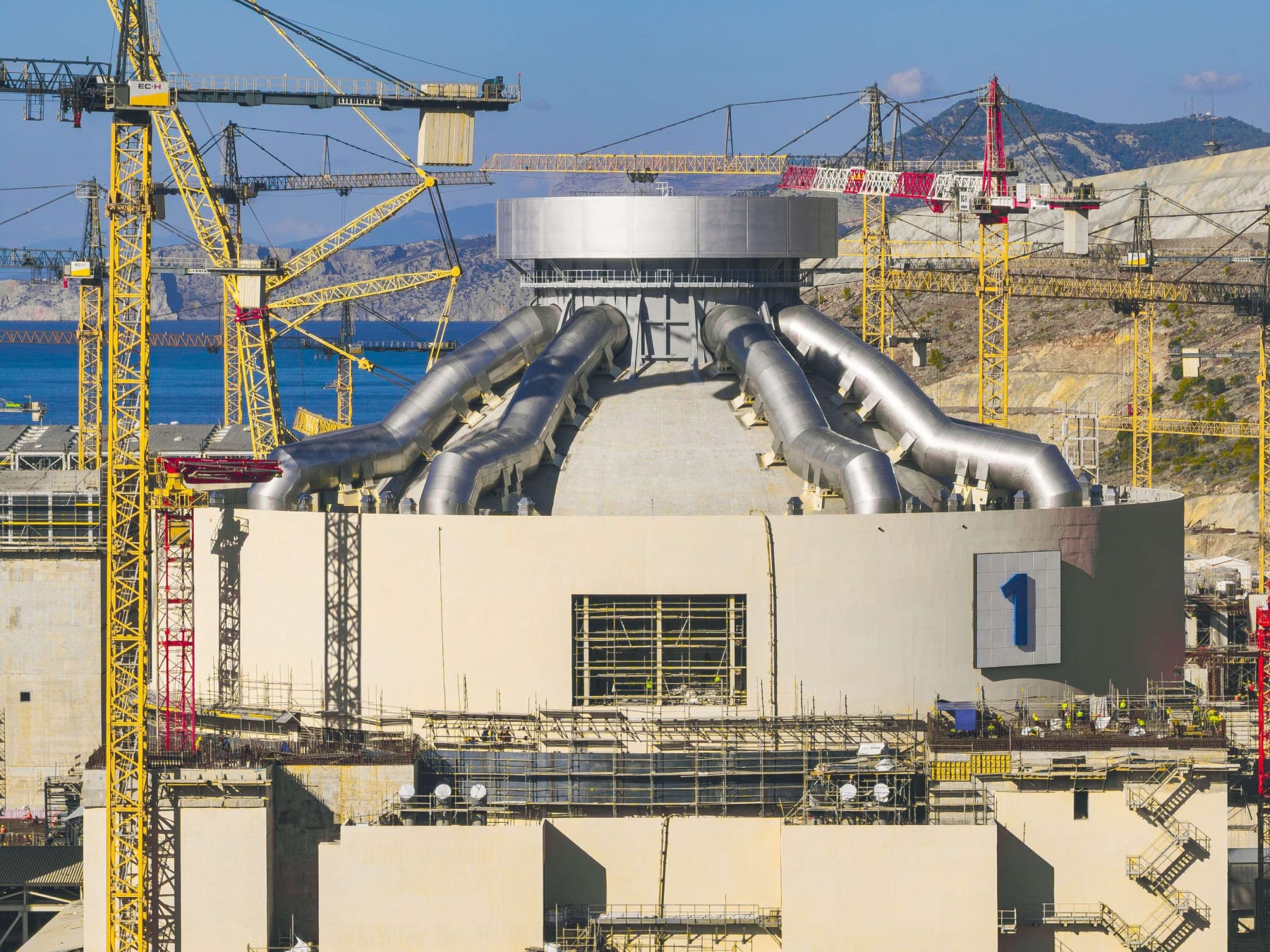
Turkey's Nuclear Regulatory Agency (NDK) nuclear installations head Anıl Belme said the regulator issues indefinite operating licenses for nuclear plants, so the country's first NPP, Akkuyu, may operate for over 60 years.

The station was designed for 60 years, and any extension depends on periodic safety reviews, RIA Novosti reports.
The gist in brief
- The license to operate the nuclear power plant in Turkey is indefinite, and periodic safety assessments are carried out once every 10 years.
- The Akkuyu station was designed for 60 years, but the regulator does not rule out longer operation.
- An extension depends on the condition of the reactor and the safety standards in force at that time.
- Rosatom head Alexey Likhachev had scheduled the launch of Akkuyu's first unit for the second half of December.
What the Turkish regulator said
Belme commented on this to RIA Novosti on the sidelines of World Nuclear Days, which Rosatom organized in Antalya. According to him, the license to operate a nuclear power plant in Turkey is issued without a time limit, but once every ten years the station undergoes a periodic safety assessment. If the review is passed, the station's operation is allowed to be extended.
Turkey's first nuclear power plant is designed for operation for 60 years. How long it will actually operate, according to the regulator, will be determined by the condition of the reactor and the safety standards that will be in force by that time.
What Rosatom says
Rosatom CEO Alexey Likhachev said at the UN climate conference COP31 that the new nuclear power plants Russia is building at home and abroad will operate for more than 100 years. He explained that the Russian regulator, Rostekhnadzor, cannot yet issue a license for more than 60 years: there is no statistics on longer station operation.
Rosatom is building Akkuyu and organized the event where the Turkish regulator spoke. Both statements about the service life were made at venues involving the Russian state corporation.
What about the launch of Akkuyu
Likhachev previously reported that the launch of the first unit at Akkuyu is scheduled for the second half of December; we previously wrote that the first VVER-1200 reactor in Turkey is being prepared to supply power before the end of the year. The material contains no data on the current degree of readiness, the station's capacity, or the number of units.
What is happening with new nuclear power plants in the world and in Kazakhstan
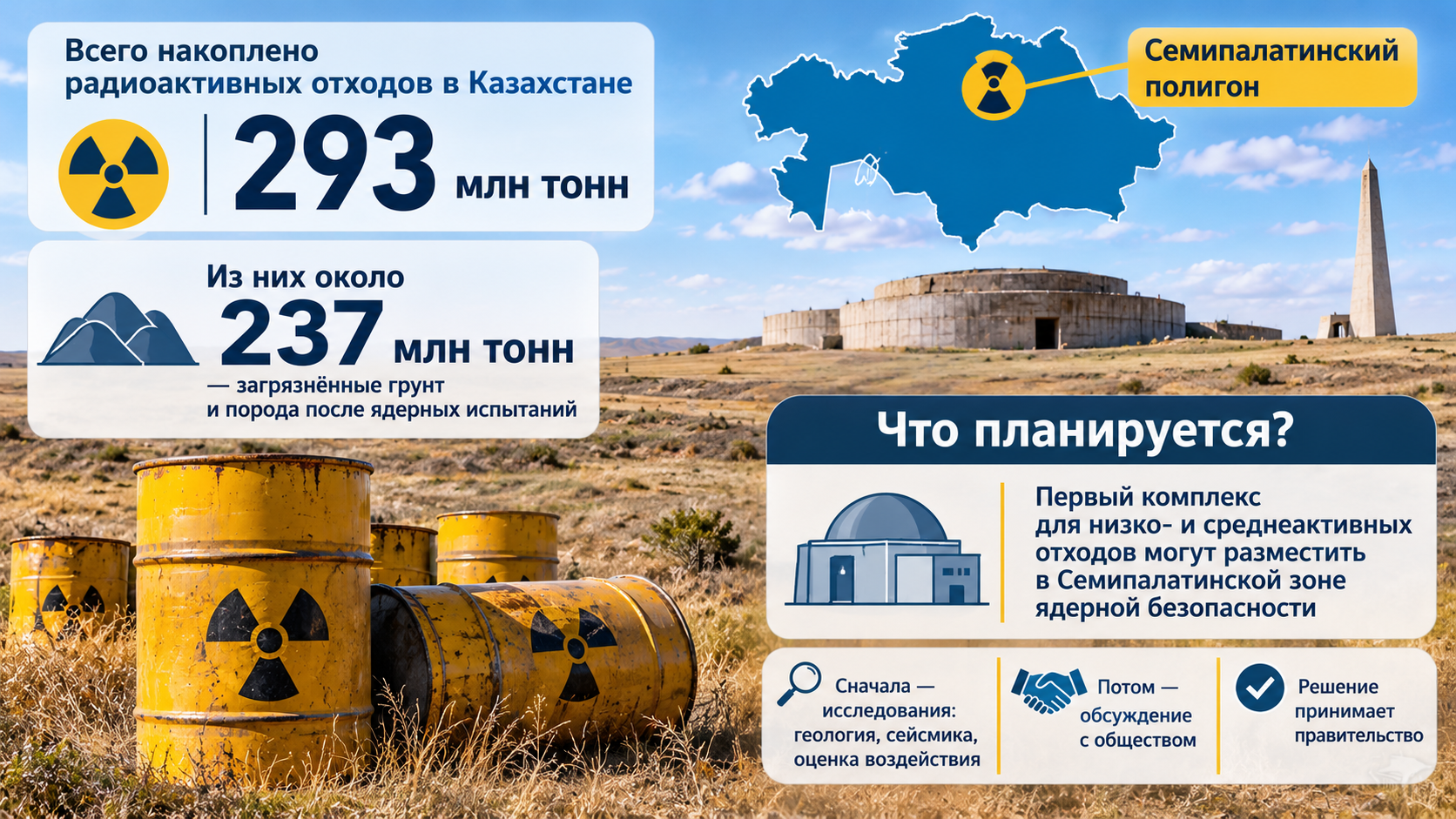
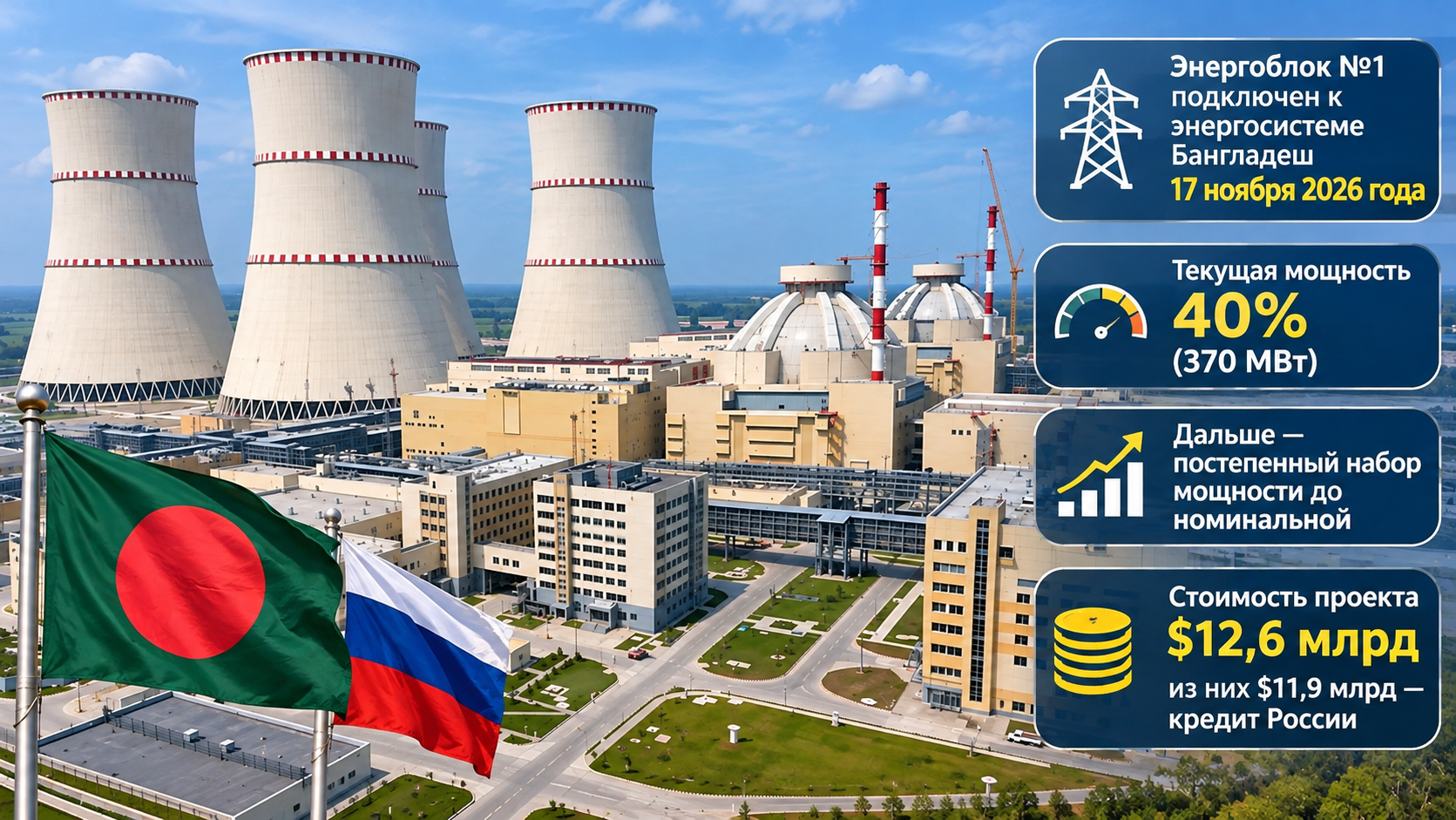
The first VVER-1200 reactor in Turkey is being prepared to supply power before the end of the year, and Turkey is holding talks with four countries on two new stations. Uzbekistan is considering the construction of two more nuclear power plants, while Armenia is choosing between the United States, France, China, Russia and South Korea for a new station. Kazakhstan is discussing a second nuclear power plant with China's CNNC and looking for a site for a third, while the first nuclear power plant near Balkhash is awaiting site preparation, licenses, personnel and suppliers before construction begins, and next to it in Ulken they plan a town for nuclear workers of 33 thousand people.
Author's conclusion
The regulator's statement shows that the 60-year term for Akkuyu is a design figure, not a legal limit: the license is indefinite, and decisions on extension will be made based on the results of reviews every ten years. But these are the words of an official at a Rosatom event, and the station itself has not yet been launched, so only operation will show its real service life. For Kazakh projects, the practical conclusion is one: the service life of the future nuclear power plant depends both on the design and on how the national regulator organizes periodic reviews.
Comments ()