The reactor of Akkuyu NPP Unit 1 has begun being heated to operating parameters
At Turkey's Akkuyu NPP Unit 1, the penultimate commissioning stage has begun—cold-hot testing of the reactor unit, checking equipment in operating modes before nuclear fuel loading.
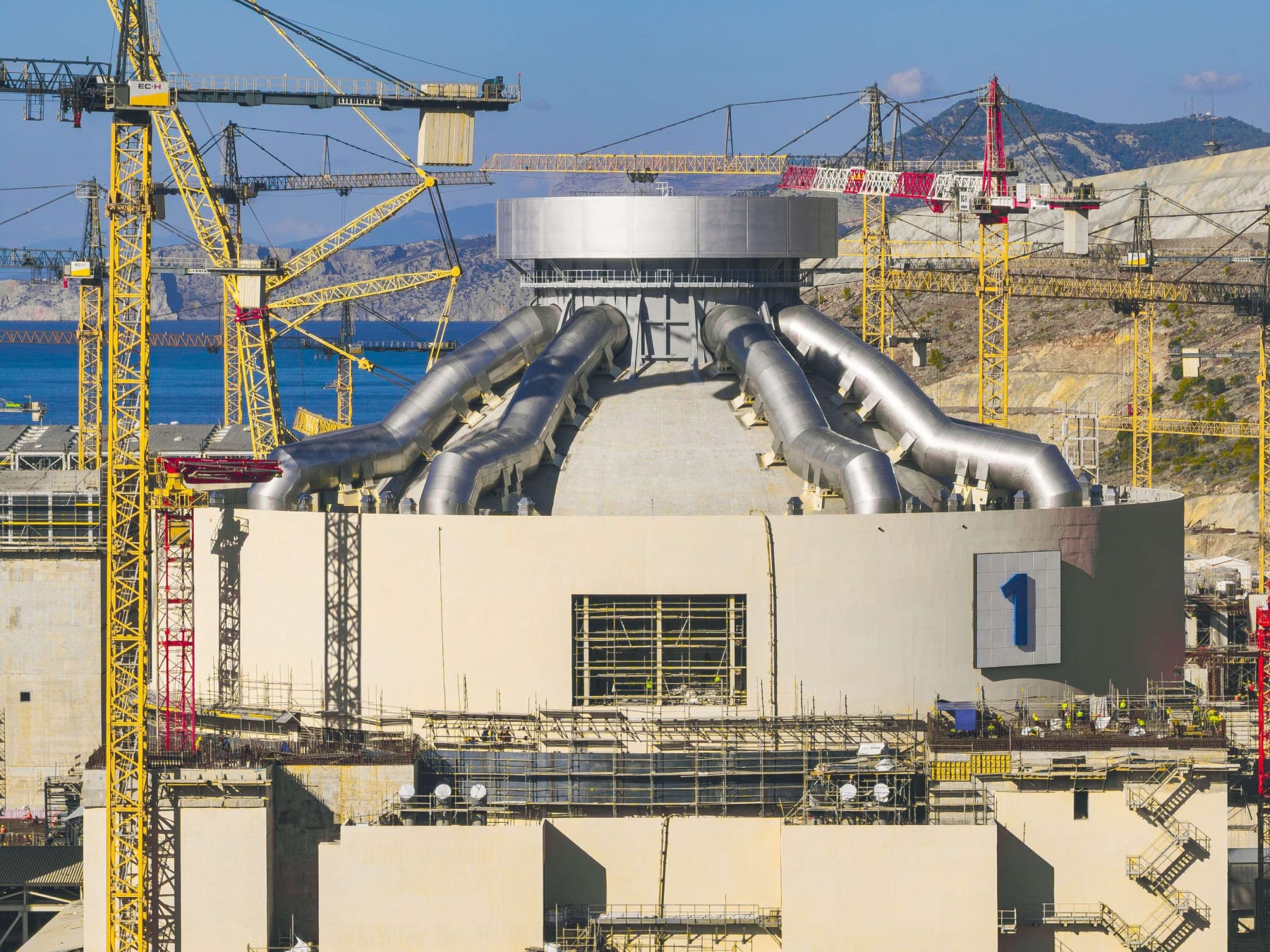
Following the equipment inspection, the Turkish regulator must issue a permit to begin startup operations, reports Atomic-Energy.ru.
The essence in brief
- At the first unit of the Akkuyu NPP, the penultimate sub-stage of commissioning has begun - the cold-hot
run-in of the reactor unit. - The coolant will be heated to 285 °C at a pressure of 16.5 MPa (megapascals).
- Instead of nuclear fuel, simulators of fuel assemblies are installed in the reactor core.
- After the equipment inspection, the Turkish regulator will issue a permit for
startup operations, and uranium fuel will be loaded into the reactor for the first time.
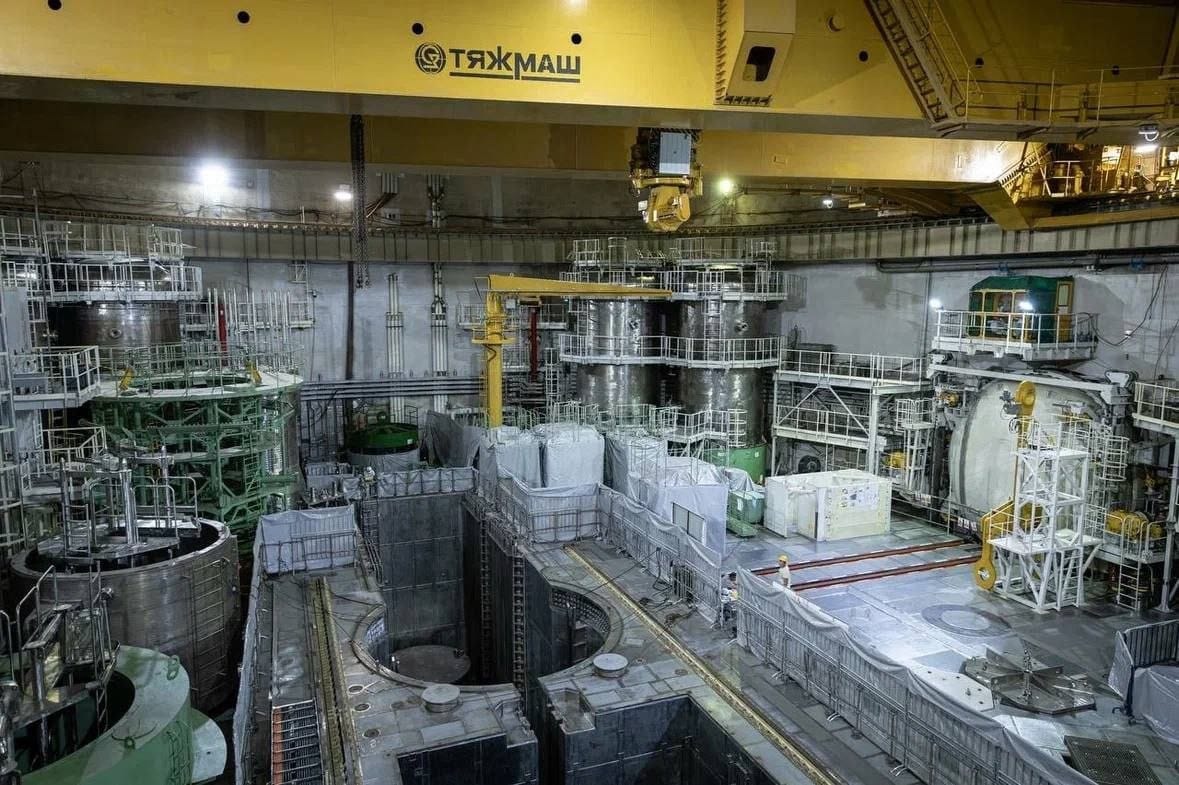
What cold-hot run-in is
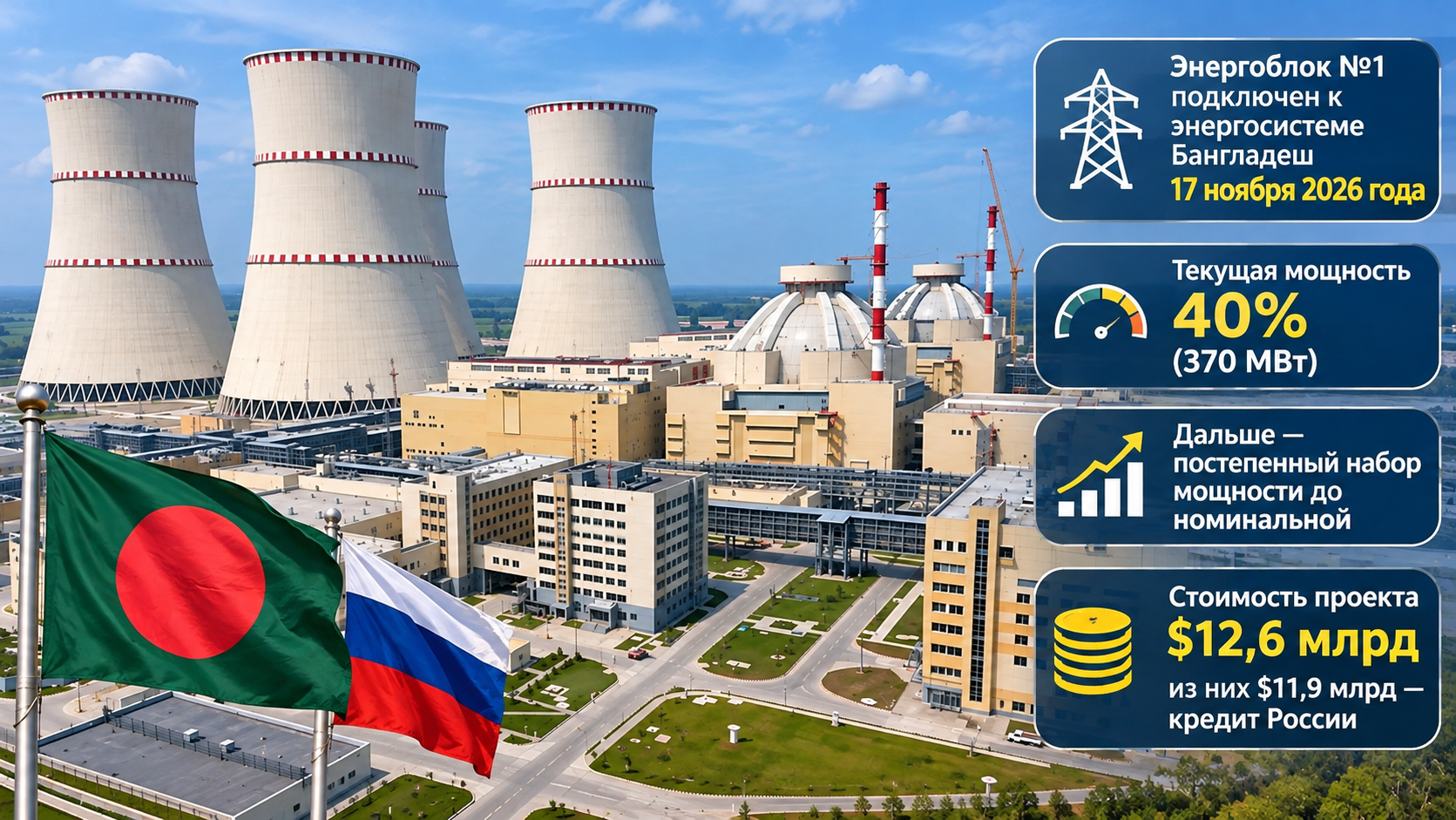
The first power unit of the station is being built by the state corporation Rosatom. Just the other day it connected to the grid the first unit of the Ruppur NPP in Bangladesh, is building the first NPP in Uzbekistan in the Farish district of the Jizzakh region, and will build the first NPP in Kazakhstan near Balkhash. As part of the run-in, all equipment of the first and second circuits will be tested in operating modes before nuclear fuel is loaded and physical startup. The reactor unit will be heated in stages, raising the temperature and pressure of the first-circuit coolant (demineralized water) to nominal values - 285 °C and 16.5 MPa.
What will be checked
During the tests, the strength of equipment and all pipelines, vibration characteristics, electrical systems, safety systems, as well as the reactor control and protection systems will be checked.
The difference from normal operation is that the core contains simulators of fuel assemblies rather than real fuel.
The General Director of Akkuyu Nuclear, Sergey Butskikh, explained that the principles of nuclear safety require confirmation of
the operability of each system and each unit of equipment. Before fuel loading, the systems are sequentially checked in various modes, including simulation of deviations from normal operation.
What happens next
After the run-in, an inspection of the main and auxiliary equipment is envisaged: it must finally confirm compliance with design requirements and the technical readiness of the unit for physical
startup. At this stage, fuel assemblies with
uranium fuel will be loaded into the reactor for the first time. Based on the results of the inspection, the Turkish regulatory authority will issue a permit to begin startup operations.
How much energy the unit will provide
When the first unit reaches its design capacity, it will generate more than 8.7 billion kWh of electricity per year. This will be enough to supply 3-4 million people, said the Chairman of the Board of Akkuyu Nuclear, Anton Dedusenko, according to Vestnik Kavkaza. The energy will go into the unified national grid and from there via lines longer than a thousand kilometers to the south of the country, to the provinces of Mersin, Antalya, Karaman, Konya, Adana and Osmaniye.
What kind of station this is
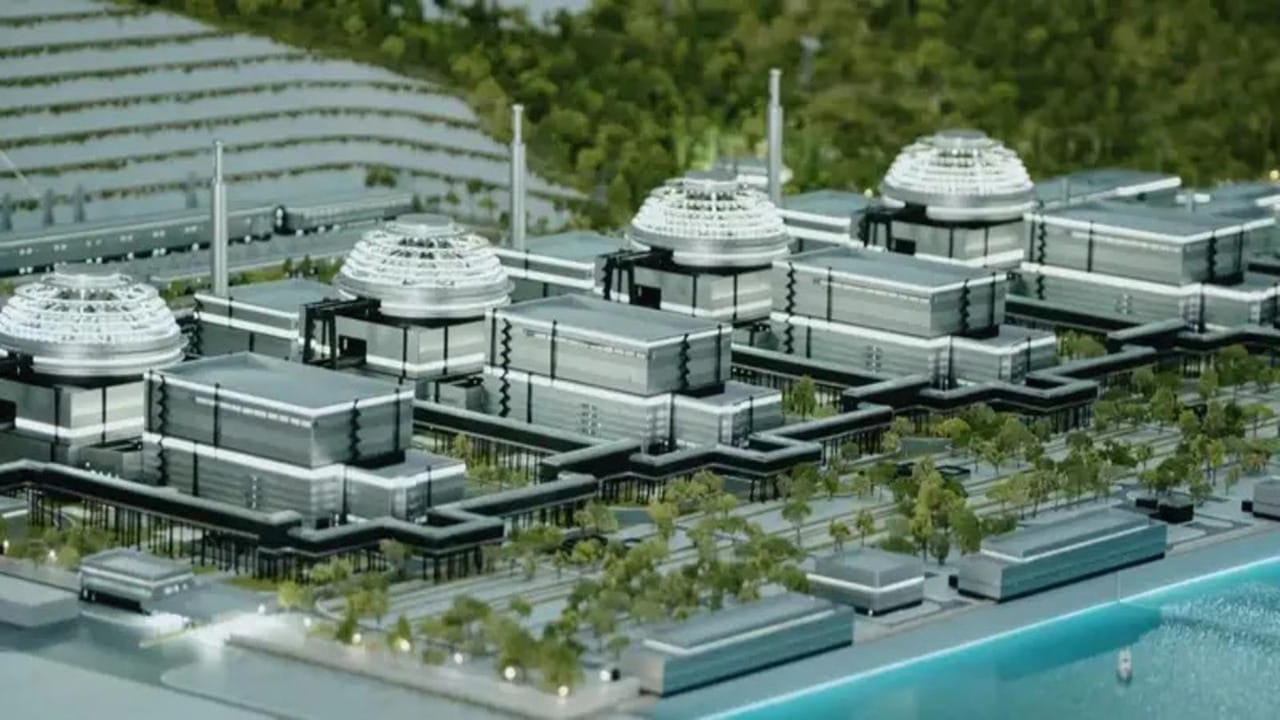
Akkuyu is the first nuclear power plant being built in Turkey. The project includes four power units with Russian-designed VVER reactors (water-water energetic reactor) of generation 3+, with each unit's capacity at 1200 MW. This is the first project in the global nuclear industry based on the
"build-own-operate" model. At the same time, the Turkish regulator has allowed the station to operate beyond the design 60 years, with safety checks every 10 years.
Author's conclusion
The news is not about the launch of the station but about
testing: while fuel simulators are installed in the unit, there is no electricity, and before that comes the inspection, the Turkish regulator's permit, fuel loading and
physical startup. Therefore, the figures about 3-4 million people describe the planned capacity after the unit reaches its design mode, not what the station will provide in the near future.
Comments ()