Results of the 2026 sowing campaign in Kazakhstan
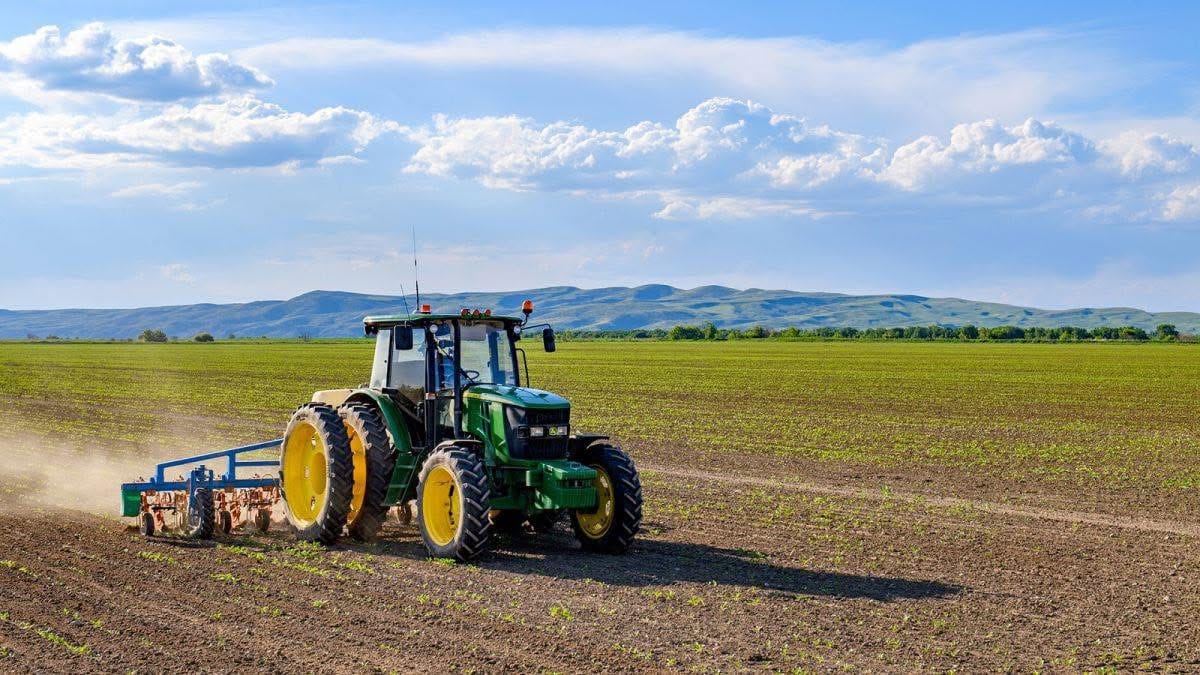
The Ministry of Agriculture of the Republic of Kazakhstan has officially announced the completion of spring field work. The final figures demonstrate not only an overall increase in the sown area but also a deep structural reorganization of crop acreage, driven by a shortage of water resources and requirements for diversifying the agricultural sector.
The Gist
The total sown area in Kazakhstan has increased by 180 thousand hectares, reaching 23.8 million hectares. Rice and traditional cotton are reducing their acreage as part of optimizing strict water consumption limits. Oilseed and forage crops are showing growth, replacing less profitable segments. Drip irrigation has been introduced on an additional 29.8 thousand hectares, reducing dependence on surface irrigation.
Structural Optimization and Diversification
At a field meeting in the North Kazakhstan region, Minister of Agriculture Aidarbek Saparov reported to the Prime Minister on the completion of the spring sowing plan. 23.8 million hectares have been allocated for agricultural crops this season. The main focus is on implementing the president's instructions to reduce monoculture dependence and increase the share of high-margin and socially significant crops. Grains and legumes took the leading position — 15.8 million hectares. Oilseeds were allocated 4.3 million hectares, and the forage area expanded to 3.3 million hectares, which should strengthen the base for the developing livestock sector.
Water Limits as a Pressure Factor on the Agro-Industrial Complex
The most important feature of the 2026 sowing campaign was the forced alignment of the sowing structure with the actual balance of water resources. In regions with a high risk of moisture deficit, plans underwent a strict revision. Thus, the area under water-intensive rice was reduced by 20.6 thousand hectares, with the final figure standing at 79.9 thousand hectares. Concurrently, the cotton industry is pursuing a course of technology modernization.
Areas with traditional (surface) irrigation methods decreased by 12 thousand hectares. The freed-up areas are being reoriented towards automatic drip irrigation systems, the area under which increased immediately by 29.8 thousand hectares, reaching a total of 79.8 thousand hectares.


Comments ()