Rising livestock theft in Europe increases risks for animal husbandry
In Germany, gangs are raiding farms. Entire herds vanish overnight.
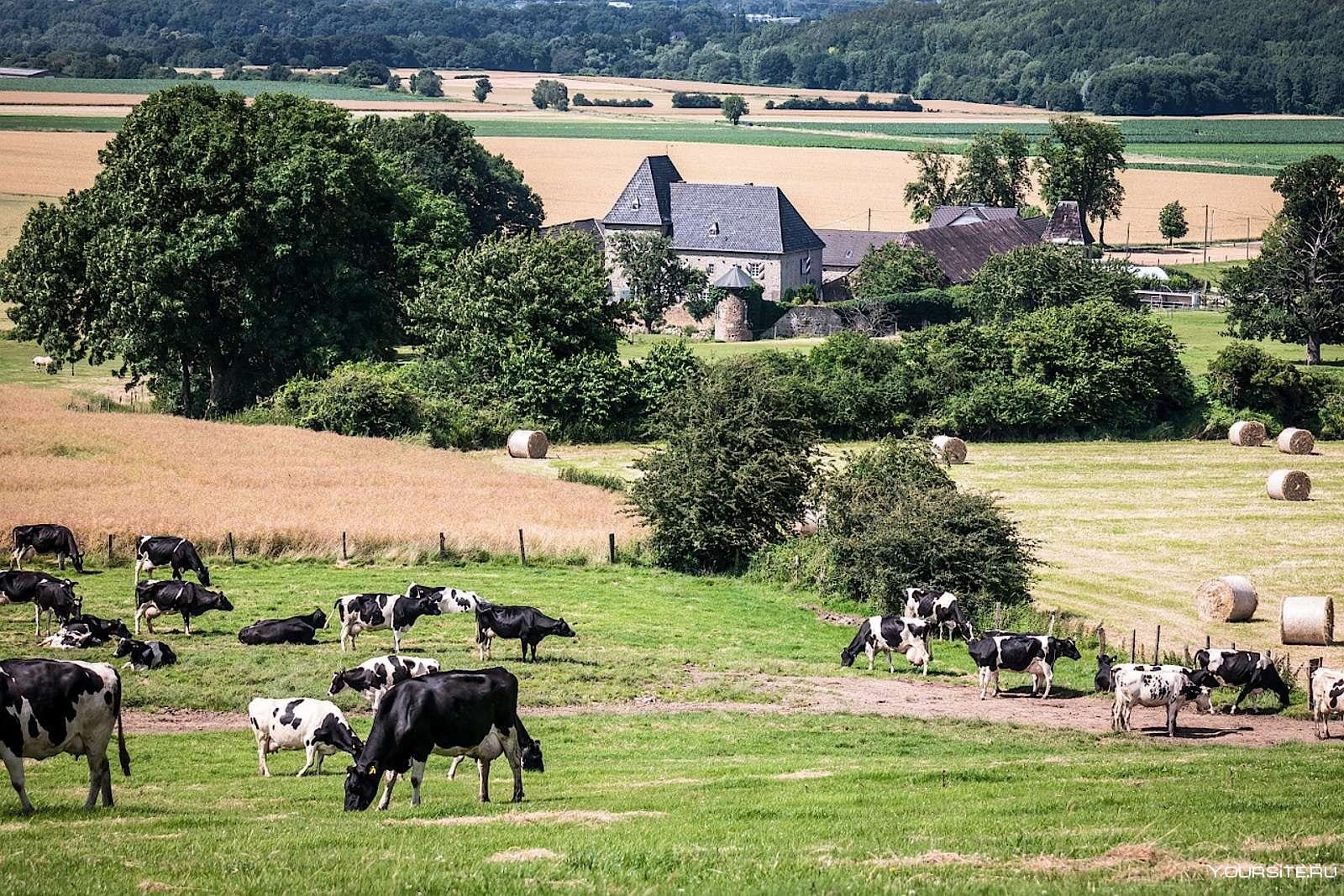
Germany is seeing a rise in organized theft of farm animals. In some cases, criminals remove entire herds overnight using trucks and carefully planned schemes. Experts believe the problem extends far beyond individual farms and is part of a broader phenomenon known as farm crime. For Kazakhstan, this trend is of interest against the backdrop of developing large-scale livestock farming and increasing livestock numbers.
In Brief
• Germany has seen an increase in cases of mass cattle theft from farms.
• Police suspect the involvement of organized international criminal groups.
• In some cases, perpetrators have transported dozens of animals by truck overnight.
• European farmers are strengthening security systems and digital farm monitoring.
Animal Theft Becomes a Systemic Problem
One of the latest incidents involved the theft of 48 head of cattle from a pasture in the federal state of Brandenburg. The damage was estimated at approximately 75,000 euros. A few weeks earlier, another 74 animals were stolen in the same region, and previously, unknown individuals removed 69 calves from a farm, specifically selecting young females aged three to six months. Investigators found traces of heavy trucks and concluded that the operations were carried out by pre-prepared groups.
According to law enforcement, criminals operate mainly at night, use heavy-duty vehicles, and often change or remove animal identification tags to conceal their origin. In some cases, there are signs of sedatives being used during livestock loading.
Farm Crime Goes Beyond Ordinary Theft
In Europe, the growing crime in rural areas is increasingly grouped under the term farm crime. Besides animals, targets for criminals include agricultural machinery, tractor GPS navigation systems, crops, and other valuable farmer property. In several regions of Germany, the number of such crimes continues to rise.
Farms are responding to the threat by installing video surveillance cameras, enhancing lighting at livestock complexes, and creating digital alert networks among producers. These measures allow for faster information exchange about suspicious activity and help reduce the risk of losses.
Kazakhstan Should Consider the European Experience
For Kazakhstan, the problem may seem less pressing, but the development of large feedlots and livestock complexes makes security issues increasingly important. In recent years, the state has actively invested in increasing livestock numbers and creating large commercial farms, where potential damage from such crimes could amount to tens of millions of tenge.
An additional risk is linked to the fact that modern livestock enterprises are increasingly adopting digital animal identification and monitoring systems. The European experience shows that technological development must be accompanied by strengthened control over livestock movement and improved product traceability mechanisms.
Security Becomes Part of Food Sustainability
The story of cattle theft in Germany shows that food security depends not only on crop yields, feed resources, or veterinary well-being. Protecting agricultural producers from organized crime is also becoming an important element of the agricultural sector's resilience.
Author's Conclusion
The rise in livestock theft in Germany highlights a new problem for modern livestock farming: the larger and more efficient farms become, the more attractive they are to organized criminal groups. For Kazakhstan, the European experience serves as a reminder that the digitalization and consolidation of agribusiness must be accompanied by investments in security, livestock identification systems, and movement control. Without this, industry losses may grow in tandem with its development.


Comments ()