Rostselmash increases equipment production in Kazakhstan: new risks for local manufacturers
Russian machine-building giant Rostselmash announced plans to deepen localization of agricultural machinery production in Kazakhstan.
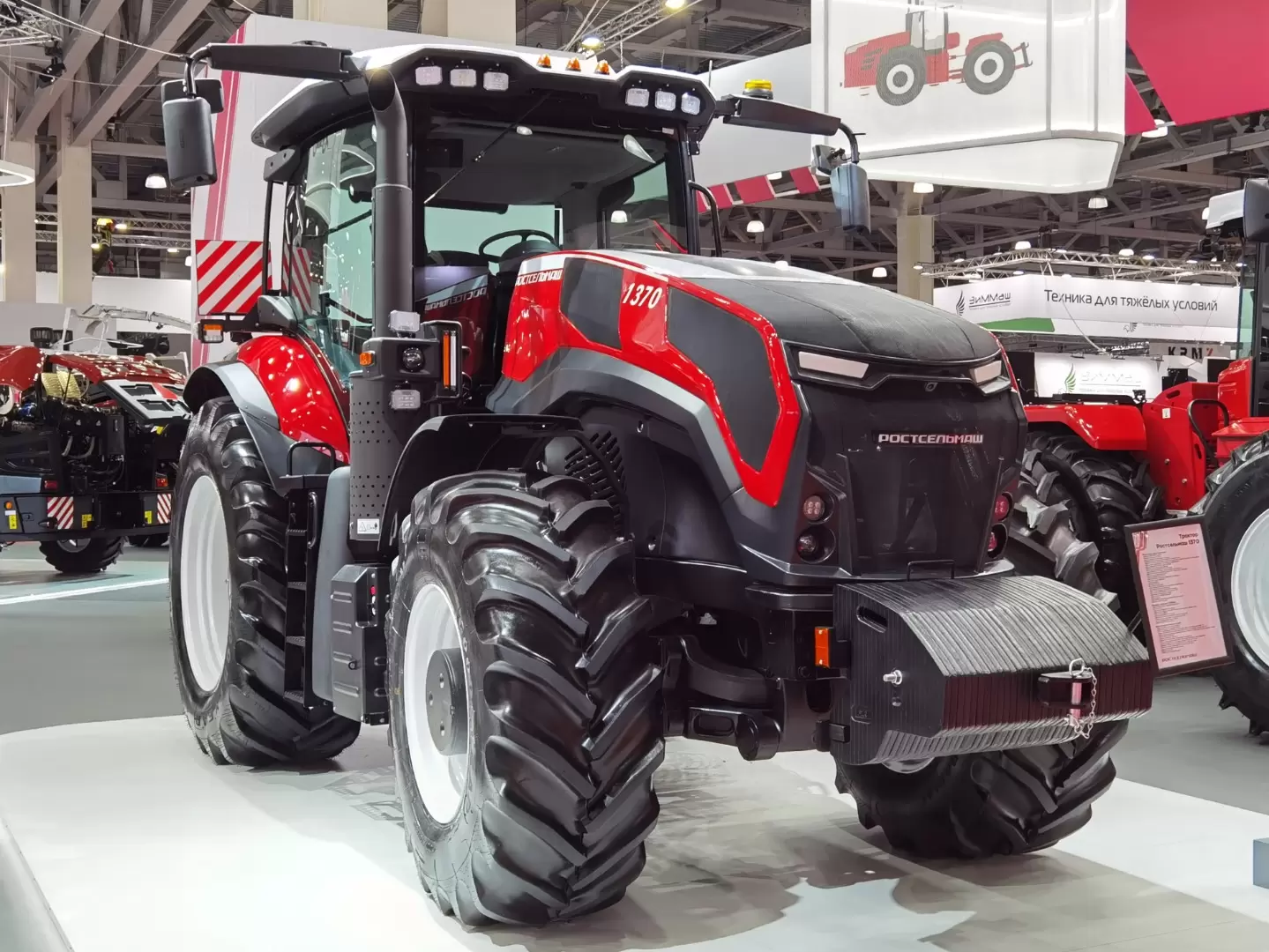
The decision to expand localization of production could significantly change the balance of power in the agricultural machinery market in Central Asia.
In a nutshell
• Rostselmash is expanding its assembly capacities in Kazakhstan, aiming to replace imports of finished machinery.
• Deeper localization creates direct competition for Kazakh machine builders, especially in the segment of combine harvesters and tractors.
• For farmers, this means a potential reduction in machinery prices due to savings on logistics and customs duties.
• The issue of subsidies and access to preferential leasing for domestic and localized machinery becomes critical.
Why this matters for Kazakhstan
The expansion of Rostselmash's presence is not just a business decision by one company. It is a signal that Russian manufacturers are ready to fight for a share of the Kazakh market not only through exports but also by establishing assembly operations.
What changes for the market
For Kazakh farmers, the availability of more affordable machinery is a plus. However, for local plants such as AgromashHolding or KAMAZ-Engineering, this is a direct challenge. The localization by Rostselmash could lead to a redistribution of budget subsidies and leasing programs in favor of machinery assembled in Kazakhstan but under a foreign brand.
Risks and opportunities
The main risk is the "erosion" of domestic engineering. If localization is limited to screwdriver assembly, Kazakhstan risks being left without its own engineering school in agricultural machinery. On the other hand, deeper localization (welding, painting, component production) could create new jobs and boost related industries — metallurgy and the component base.
Author's conclusion
The decision by Rostselmash is a classic example of market expansion. Kazakhstan needs to clearly define the criteria for "depth of localization" and link subsidies to technology transfer. Otherwise, there is a risk of ending up not with a partnership, but simply with a relocated assembly line without the development of competencies.



Comments ()