The United States is facing the threat of a dangerous parasite for livestock.
Cases of livestock infected with a meat parasitic fly, thought eradicated in the US for over 60 years, are rising. Authorities have launched a major containment effort.
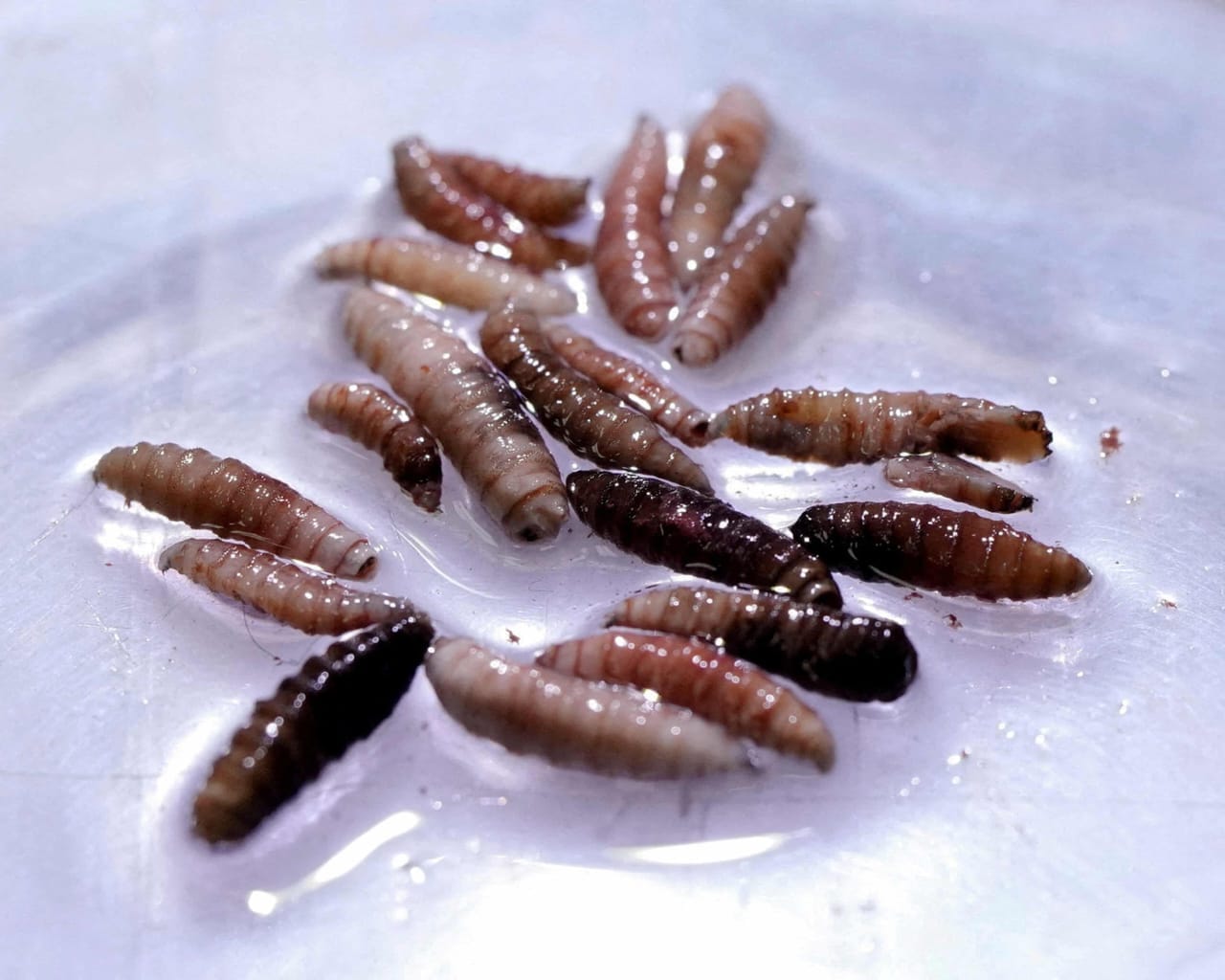
An outbreak of the New World Screwworm, a parasitic fly whose larvae infest the living tissue of animals, is spreading rapidly in the United States. The disease, which was considered virtually eradicated in the country several decades ago, has been detected again in cattle, sheep, goats, and domestic pets. U.S. authorities have already launched a large-scale campaign to contain the spread of the parasite, fearing serious consequences for the livestock industry, reports The Guardian.
The Gist
• New cases of animal infection with the New World Screwworm parasite have been confirmed in the U.S.
• Fly larvae enter wounds and feed on the living tissue of animals.
• The outbreak has affected Texas and New Mexico, and the number of confirmed cases continues to rise.
• Veterinary control measures are being implemented.
Parasite Returns After Decades
The first case of the current outbreak was confirmed by the U.S. Department of Agriculture on June 3 in Texas. Since then, the number of infected animals has grown to several dozen, with outbreaks identified in several counties of the state and neighboring New Mexico. According to U.S. veterinary services, the parasite affects cattle, goats, sheep, dogs, and other warm-blooded animals.
Of particular concern is that the New World Screwworm was nearly eradicated in the U.S. back in the 20th century thanks to a large-scale biological control program. However, since 2023, the pest has been moving north through Central America and Mexico, gradually approaching the U.S. border.
Why This Parasite Is So Dangerous
Unlike most flies that lay eggs on dead tissue, female New World Screwworms select open wounds on living animals. After hatching, the larvae begin to consume living flesh, causing severe tissue damage, infections, and often death in animals if timely treatment is not provided. In rare cases, humans can also become infected.
Among the signs of infestation, specialists cite non-healing wounds, foul odor, loss of appetite, decreased productivity, and the presence of larvae in damaged skin areas. Newborn animals and livestock following veterinary procedures are particularly vulnerable.
U.S. Authorities Launch Emergency Measures
The response of U.S. authorities to the scale of the outbreak deserves special attention. As of mid-June, only about 12 cases of animal infection had been confirmed in the U.S., yet this was enough to trigger federal response measures, strengthen veterinary control, and expand biological protection programs. This approach demonstrates the principle guiding developed agricultural nations: fighting a threat at the stage of isolated cases is significantly cheaper than dealing with the consequences of a widespread disease outbreak.
The primary method of control remains the sterile insect technique. These insects mate with wild individuals but produce no offspring, allowing for a gradual reduction in the pest population. According to the U.S. Department of Agriculture, millions of sterile flies have already been released to combat the outbreak, and monitoring along the border with Mexico has been intensified.
At the same time, authorities are allocating additional funds for the development of new control methods and expanding veterinary surveillance. Experts warn that under an unfavorable scenario, the parasite could cause serious damage to livestock farming, especially in the country's largest cattle-producing states.
What This Means for Kazakhstan
For Kazakhstan, the Screwworm story serves as a reminder of how quickly transboundary biological threats can impact the agricultural sector. Even countries with robust veterinary systems are facing the return of diseases and pests that were considered defeated decades ago.
The situation in the U.S. is also indicative because alarm was raised there after the detection of only a few infection foci. In domestic practice, a response often begins only after a problem has become widespread. Meanwhile, the U.S. experience shows that the effectiveness of a veterinary system is determined not by the number of outbreaks eliminated, but by the ability to stop a threat before it spirals out of control and damages the industry.
Against the backdrop of the active development of beef cattle farming and the expansion of export supplies, systems for veterinary monitoring, animal movement control, and early detection of new threats are becoming particularly important. Biosecurity is becoming just as critical a factor in competitiveness as herd productivity or production volumes.
Author's Conclusion
The New World Screwworm outbreak in the U.S. demonstrates that globalization and climate change are creating new risks for livestock farming. A parasite considered a historical problem of the last century has once again become a threat to one of the world's largest agricultural powers. For Kazakhstan, this example shows the need for constant veterinary control and readiness for the emergence of new transboundary threats capable of affecting both meat production and the industry's export prospects.



Comments ()