US successfully tests next-generation nuclear fuel — it can last longer and produce less waste
U.S. firm Lightbridge completes first test phase of innovative nuclear fuel at the world’s most powerful research reactor, ATR in Idaho.
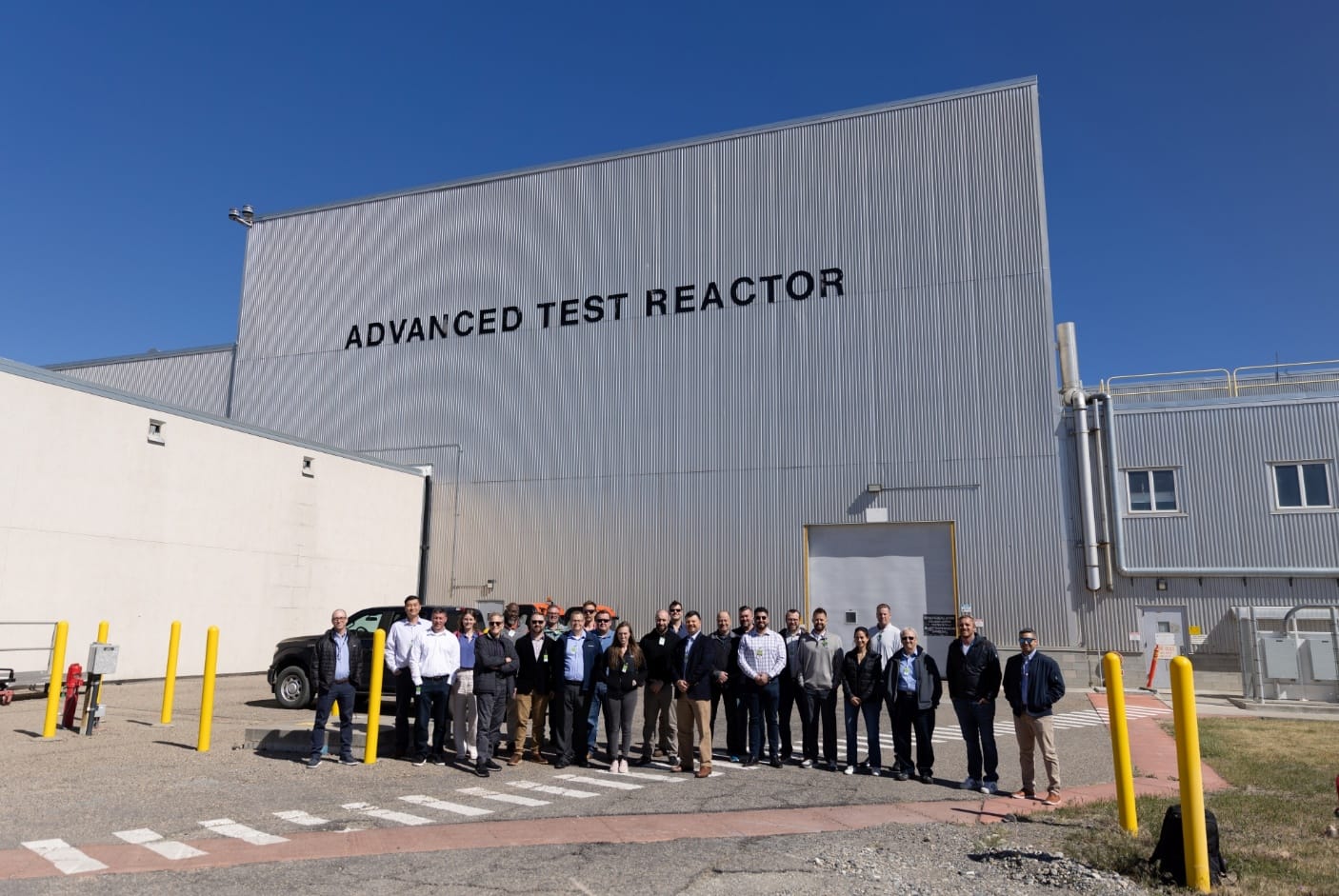
The samples withstood irradiation under extreme conditions and have been extracted for detailed analysis. If the fuel confirms its stated characteristics, it could become a competitor to traditional uranium pellets — with greater burnup depth, less radioactive waste, and enhanced safety, reports the company Lightbridge. For Kazakhstan, which is planning to build a nuclear power plant and is the world's largest uranium producer, this direction has direct strategic importance.
The Gist
- Lightbridge fuel samples were irradiated in the ATR (Advanced Test Reactor) in Idaho — one of the most powerful research reactors in the world — using the FAST (Fission Accelerated Steady-state Testing) methodology.
- The FAST method allows simulating years of fuel operating conditions in a real reactor within just a few months — accelerating the certification process many times over.
- The samples are currently being cooled. After that, post-irradiation analysis will begin: microscopy, radiography, mechanical tests — assessing changes in the structure of the fuel rods and cladding.
- The test results will form the basis of the licensing dossier for regulators. If successful, Lightbridge fuel could offer greater burnup depth, lower waste radioactivity, and increased resilience to accident scenarios.
How the New Fuel Differs from Traditional Fuel
Standard nuclear fuel consists of uranium dioxide pellets sintered into ceramic cylinders and placed inside metal cladding (fuel rods). This design has remained fundamentally unchanged since the 1950s.
Lightbridge is developing an alternative: fuel based on a metallic uranium alloy instead of oxide ceramics. Metallic fuel offers several potential advantages: better thermal conductivity lowers the operating temperature, reducing the risk of failure during accidents; higher density of the fissile material allows for greater burnup — meaning more energy from the same mass of fuel with less waste.
What is the ATR and Why is an Accelerator Reactor Needed?
The Advanced Test Reactor at the Idaho National Laboratory is a unique tool for nuclear science. Its design, featuring a beryllium reflector, concentrates the neutron flux onto small samples, creating irradiation intensities many times greater than conditions in a real power reactor. At the same time, the ATR operates at relatively low pressure and temperature, allowing experiments to be conducted safely and samples to be changed quickly.
The FAST (Fission Accelerated Steady-state Testing) method uses highly enriched fuel to further accelerate the process: in just a few months in the ATR, samples receive an irradiation dose equivalent to many years of operation in a commercial reactor. This fundamentally reduces the time required to develop new fuel types — from decades to just a few years.
From Tests to the Reactor — A Long Road
The first stage of testing is just the beginning. The samples must undergo cooling for several months, followed by detailed post-irradiation analysis: how the rod structure has changed, whether cracks have appeared, how the cladding behaved under neutron irradiation. This data will form the basis for computer models that must predict the fuel's behavior under commercial reactor conditions.
Only after successfully completing all stages of testing and obtaining a license from the U.S. nuclear regulator (NRC) can the fuel be used in existing or newly built nuclear power plants. This process will take several more years.
The Kazakhstan Context
Kazakhstan sits at the intersection of several topics related to this news. First, the country is the world's largest producer of natural uranium — about 43% of global output. New fuel types with higher burnup mean that the same amount of uranium will produce more energy — this potentially impacts demand volumes in the long term.
Second, Kazakhstan is planning to build its own nuclear power plant — following the 2024 referendum, negotiations on technology and contractors are ongoing. The choice of fuel cycle for the future plant is not an abstract question: it determines whose fuel will be used, who will supply it, and who will process the waste.
Finally, as part of Pax Silica, Kazakhstan has declared its ambition to move beyond exporting raw uranium and participate in higher value-added stages — fuel pellets, reactor components. Developments like Lightbridge are shaping the market where these ambitions will either be realized or not.
Author's Conclusion
Lightbridge fuel has not yet left the testing stage — but it is precisely such developments that will define the future of nuclear energy a decade from now. For Kazakhstan, building its own nuclear power plant and aiming to be not just a uranium supplier but a participant in the fuel cycle, it is worth closely watching this direction: new fuel types mean new standards, and therefore new requirements for processing the raw materials that Kazakhstan extracts in larger volumes than any other country in the world.
Comments ()