Will the participating countries manage to settle their differences before the end of COP31?
COP31 climate talks in Antalya published an 18-page draft outcome on Nov 16 to narrow gaps on fossil fuels and climate finance before the week ends.
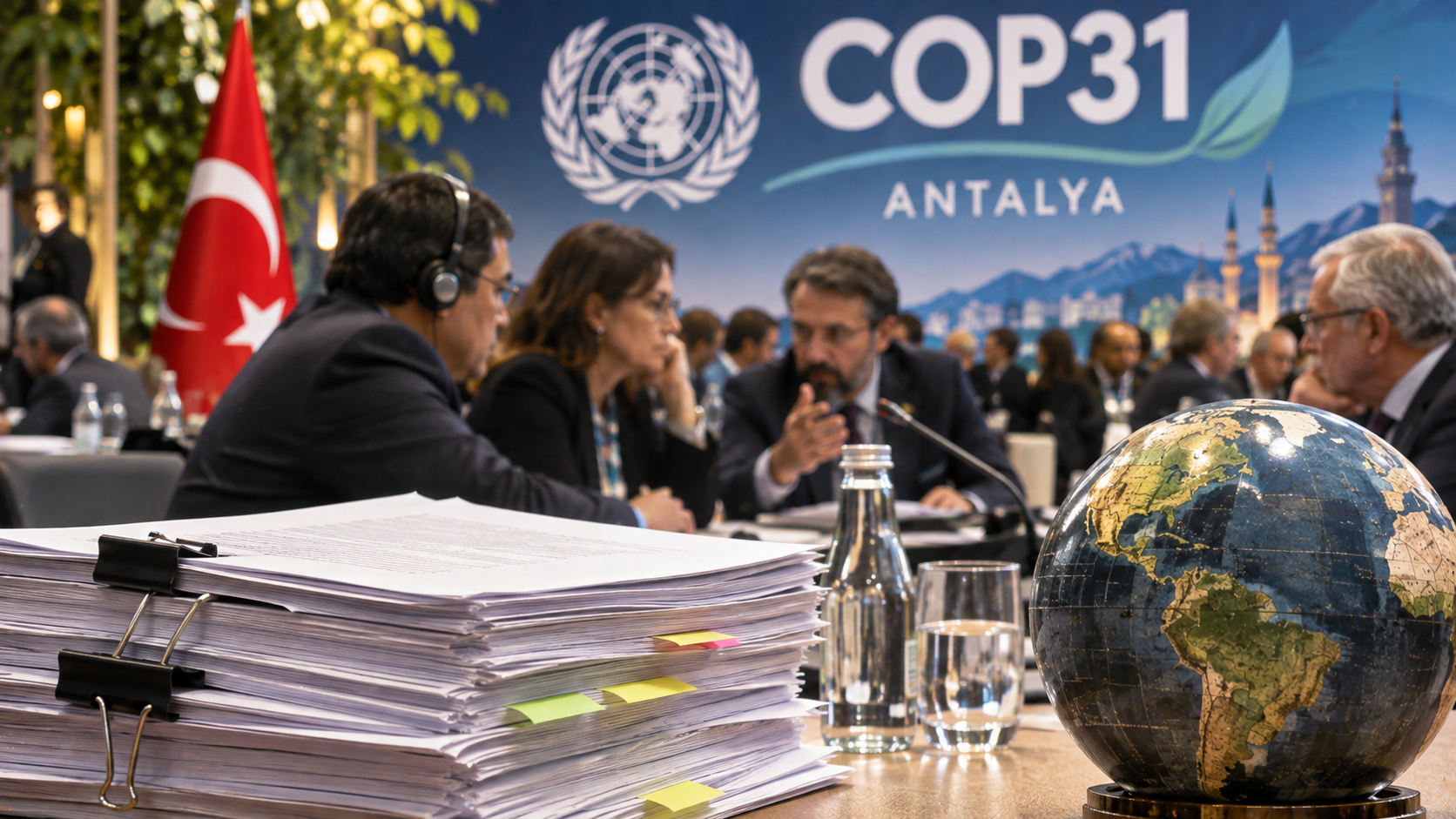
Australia's Minister for Climate and Energy Chris Bowen, who is leading the negotiations together with Turkey, said that some countries have already rejected certain points, Reuters reports.
The gist in brief
- The draft was published on November 16, runs to 18 pages, and at a press conference a journalist counted 144 points; the official deadline for the final agreement is Friday, November 20.
- On fossil fuels, the draft contains two formulations: "phase-out" and "transition away," as in the Dubai decision.
- The draft notes disagreements over the goal of bringing the share of electricity in global energy consumption to 35% by 2035 and over the amount of aid from rich countries for adaptation.
- Bowen expects at least one more draft before the end of the week, and 48 points have been agreed at the negotiator level.
What is in the draft and why it sparked controversy
The conference negotiations began on November 9, with nearly 200 countries taking part. The official deadline for the final agreement is Friday, November 20, but past UN conferences have regularly run over, sometimes by several days.
According to the transcript of the press conference on the website of the UN Framework Convention on Climate Change (UNFCCC), the draft is based on 45 submissions from countries totaling more than 500 pages, sent by more than 160 countries. Bowen stressed that this is not the final version and expects the final text to be shorter. On fossil fuels, the draft contains formulations on "phase out" and "transition away from," the latter going back to the Dubai decision. Bowen acknowledged that he expects fierce disputes here and that the text will change.
The draft also notes disagreements over the global goal of bringing the share of electricity in global final energy consumption to 35% by 2035, which Turkey put forward and which was presented at the conference as a global one. Australia supports it, the EU and the UK have announced their endorsement, and Bowen stated that without electrification there is no chance of keeping the 1.5-degree goal. Another disagreement concerns what funds rich countries should allocate to the poorest for adaptation to climate change: the draft contains a path to tripling adaptation financing by 2035.
What negotiators and experts are saying
Chris Bowen explained that the document also includes contentious issues: if it were limited to only what everyone agrees on, the text at such an early stage would be very short. On fossil fuels, he said that in its final form this point will not look exactly the same as in the draft, but that it is certainly appropriate to discuss it in the draft.
According to him, discussion of the draft will take the next three to four days, and he expects at least one more draft before the end of the week. Work is proceeding across roughly 30 main mandates, including the mitigation work programme, the just transition mechanism, and the global goal on adaptation. 48 points have been agreed at the negotiator level, and the remaining issues will be referred to ministerial consultations.
The head of the Climate Diplomacy and Geopolitics programme at the E3G think tank, Kosima Cassel, called the preliminary draft very long and said the approach appears to be to include all possible options and let the parties negotiate compromises. The test, she said, will be whether the final decision retains the core elements after this process.
What about the artificial intelligence pledge
Separately from the negotiations, Turkey as host of the conference proposed a voluntary pledge for artificial intelligence to develop sustainably and help combat warming. COP31 President Murat Kurum stated that industry and technology must become part of the solution to the climate problem, and that AI needs to be deployed responsibly. Among climate activists, concerns are growing that the rapid construction of data centers will increase emissions and pressure on land, water, and mineral resources. So far, only 9 of nearly 200 countries have signed the pledge.
What is happening around COP31
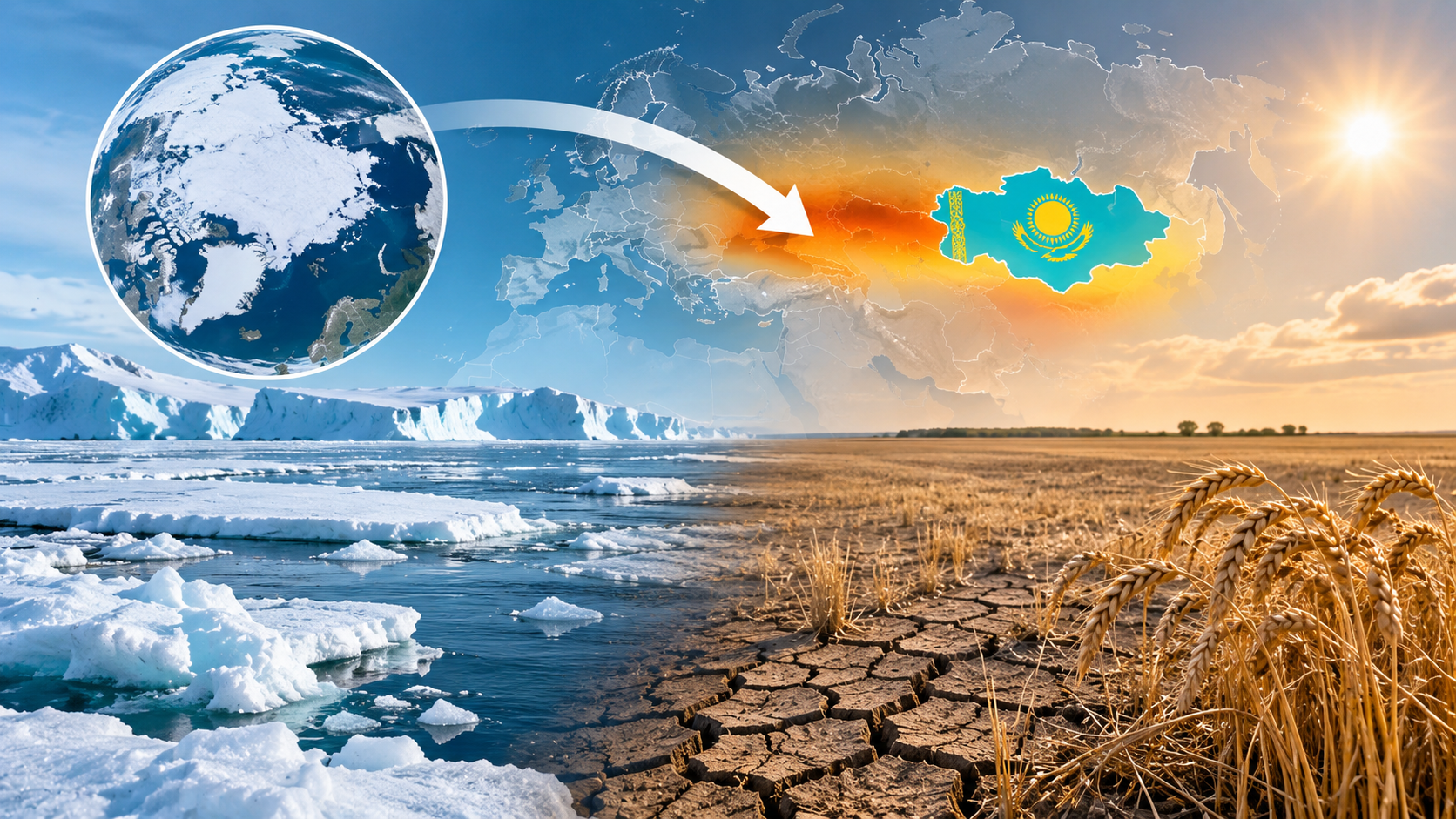
The conference is taking place against the backdrop of a UN report published last month, which says the world is already on track to exceed the 1.5-degree warming threshold. Before it began, tens of thousands of people took part in a climate march in Brussels, and at the conference itself Kazakhstan's pavilion is showcasing projects on the Northern Aral Sea, saigas, and methane.
Author's conclusion
The published draft is a starting point for bargaining, not a future agreement: the two formulations on fossil fuels and the disagreements over the 35% goal and over adaptation funding show that there is no agreement yet. At the same time, the process is on schedule: Bowen expects another draft before the end of the week, and 48 points have already been agreed. Whether countries manage to reach agreement by Friday, November 20, will be shown by the final days of negotiations, but past conferences have often pushed back the deadline.
Comments ()