World Bank to Allocate $75 Million to Tajikistan for Irrigation and Water Supply Modernization
World Bank funds will modernize irrigation infrastructure, improve water resource management, and support Tajikistan's water sector reforms.
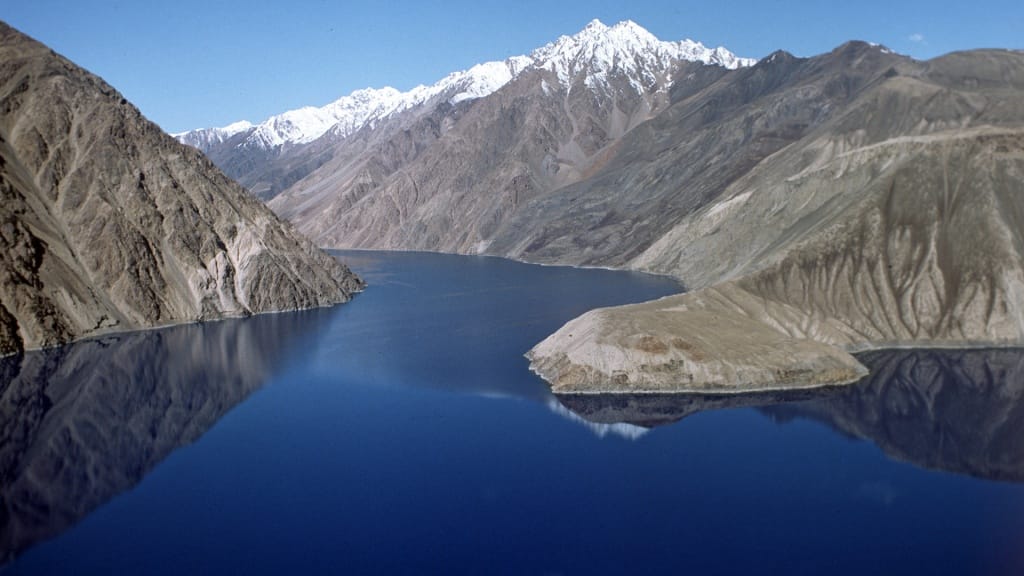
The World Bank's Board of Directors has approved the allocation of a $75 million grant for the implementation of the second phase of the Strengthening Water and Irrigation Management (SWIM-2) project in Tajikistan. The project is expected to improve conditions for approximately 470,000 farmers and rural residents.
In brief
· The World Bank approved a $75 million grant to modernize water supply and irrigation systems in Tajikistan.
· The project will cover 100,000 hectares of agricultural land.
· It plans to reconstruct at least 20 pumping stations, modernize irrigation infrastructure, and hydraulic structures.
· Improved water supply will benefit approximately 470,000 rural residents.
· The project also includes reforming the water resource management system.
Focus on agricultural modernization
Funding will be provided through the International Development Association (IDA), part of the World Bank Group. The project aims to restore and modernize irrigation systems that supply water to approximately 100,000 hectares of farmland.
In addition to infrastructure reconstruction, the project includes improving water resource management at the river basin level, enhancing the efficiency of irrigation services, and introducing modern approaches to the operation of water management facilities.
According to the World Bank, the project's implementation will increase agricultural productivity, strengthen food security, and enhance the resilience of the agricultural sector to the impacts of climate change.
World Bank ramps up investments in Tajikistan's infrastructure
The new grant is another major infrastructure project financed by the World Bank in the republic.
Earlier, Hunn.kz reported that the World Bank's Board of Directors approved the allocation of $300 million for the second phase of the construction of the Rogun Hydropower Plant — Central Asia's largest energy project. At that time, the funds were directed toward continuing construction, purchasing equipment, and ensuring the project's environmental and social sustainability.
Now, the Bank is expanding its support for the water sector, investing in irrigation systems and water resource management. This indicates that international financial institutions view energy and water management as interconnected elements of Tajikistan's long-term development.
What this means for Kazakhstan
For Kazakhstan, the modernization of irrigation infrastructure in neighboring countries is of interest not only from the perspective of agricultural development but also in the context of managing transboundary water resources. Improving water use efficiency in Tajikistan potentially contributes to a more rational distribution of water resources in the region and reduces irrigation losses.
This topic remains relevant for Kazakhstan as well. Earlier, Hunn.kz analyzed the results of a state audit of the water sector, which revealed serious problems in water resource management, high wear and tear on hydraulic structures, corruption risks, and insufficient effectiveness in implementing state programs. Against this backdrop, the World Bank's support for large-scale water infrastructure modernization projects in Central Asia shows that effective water resource management is becoming a key factor in the region's sustainable development.
Author's conclusion
The allocation of the new grant shows that the focus of international financial institutions is gradually shifting from financing individual facilities to comprehensive infrastructure modernization. In Tajikistan's case, it is no longer just about building the region's largest hydropower plant, but also about improving water use efficiency in agriculture. This approach makes it possible to simultaneously address energy, water, and food security challenges, which are becoming increasingly interconnected in Central Asia.

Comments ()