World's largest sugar factory builds plant in Kazakhstan — $580 million investment
Emirati firm Al Khaleej Sugar, the world’s largest standalone sugar refinery controlling ~3% of the global market, starts building a plant in Kazakhstan’s Konayev.
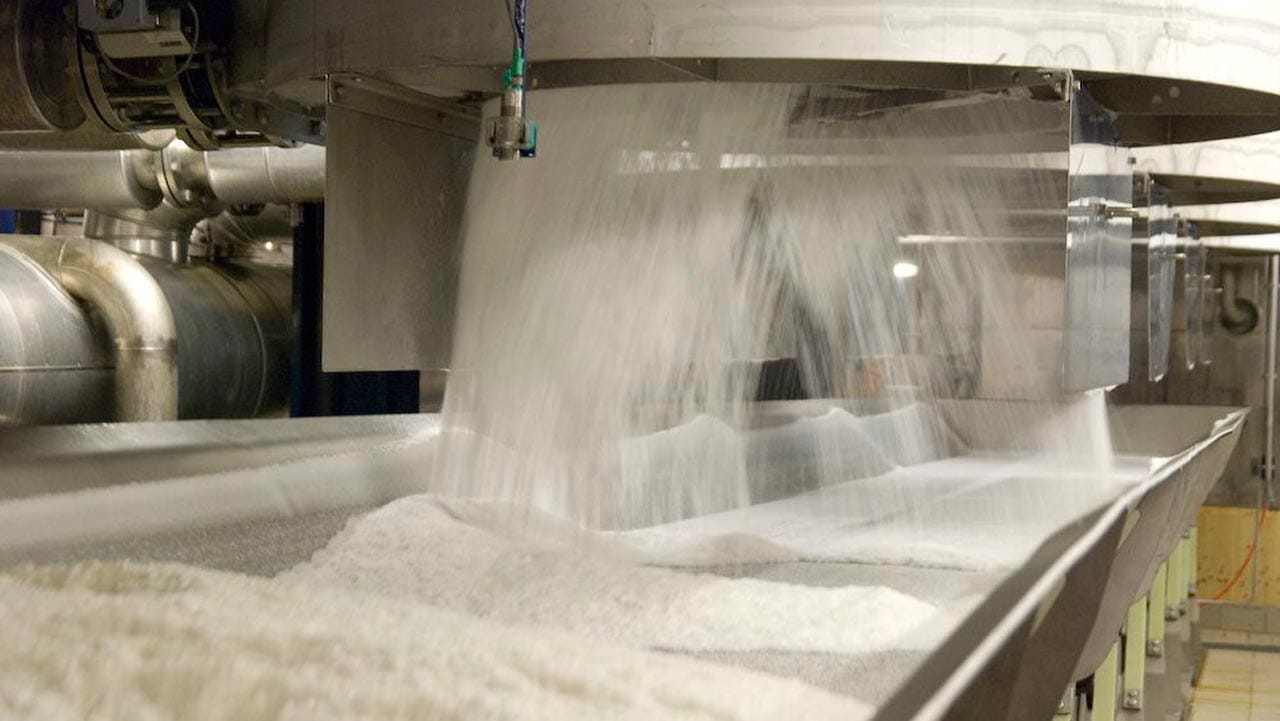
The project cost is 313.6 billion tenge (~$580 million), with a capacity of 500,000 tons of finished products per year. Launch is scheduled for 2028, reports National Business Kazakhstan. This is the largest foreign investment in Kazakhstan's sugar sector in the country's history — and it arrives precisely when global sugar prices are sharply rising.
The Gist in Brief
- The plant is being built by QazaqArab Sugar LLP, whose founder is the UAE-registered Al Mamora For Investment, backed by Al Khaleej Sugar from Dubai. The enterprise produces up to 7,000 tons of refined sugar per day and exports its products to more than 50 countries.
- A plot of 1,000 hectares has been allocated for construction in the Alatau SEZ in Konayev. 65,000 hectares have been designated for sugar beet cultivation, with prospects for expansion to 100,000 hectares. The project is included in the Ministry of Agriculture's Roadmap for 2026–2028.
- The plant will create 450 permanent jobs. Al Khaleej Sugar is ready to sign an EPC contract, which will accelerate implementation.
- Managing Director of Al Khaleej Sugar, Sheikh Al Ghurair, specifically highlighted the water issue: "It is critically important for us that the cultivated areas are reliably supplied with water. We will bring in the best consultants in the field of hydrology."
- The plant will operate on local beet raw materials — a fundamentally different technology compared to the cane processing at the Dubai Al Khaleej plant.
Who is the Arab "Sugar King"
Al Khaleej Sugar is not just a major player in the industry. The plant based in the Jebel Ali Free Zone in Dubai is the world's largest independent sugar refinery — meaning it is independent of vertically integrated agro-industrial giants. The enterprise processes imported raw cane sugar, produces refined sugar, and ships it to more than 50 countries. About 3% of all refined sugar on the global market comes from this plant.
This is precisely why Al Khaleej Sugar's entry into Kazakhstan is an event of global, not just regional, significance. A company with such market weight does not choose a location by chance.
Why Konayev and Why Now
The site was chosen not only for logistical reasons. Konayev is located near Almaty — the country's largest consumer market — and is part of the Alatau SEZ with ready infrastructure and tax incentives. Simultaneously, gas and electricity supply connections are being laid in the city to meet the needs of the future plant.
A key point: the plant will operate on sugar beets, not raw cane — despite the fact that Al Khaleej's Dubai production is built precisely on cane. This means technological adaptation to local conditions and direct dependence on Kazakhstan's raw material base. 65,000 hectares of land have already been allocated for the project, with plans to expand the area to 100,000 hectares. Local farmers have confirmed their readiness to cooperate.
Water — The Main Issue of the Project
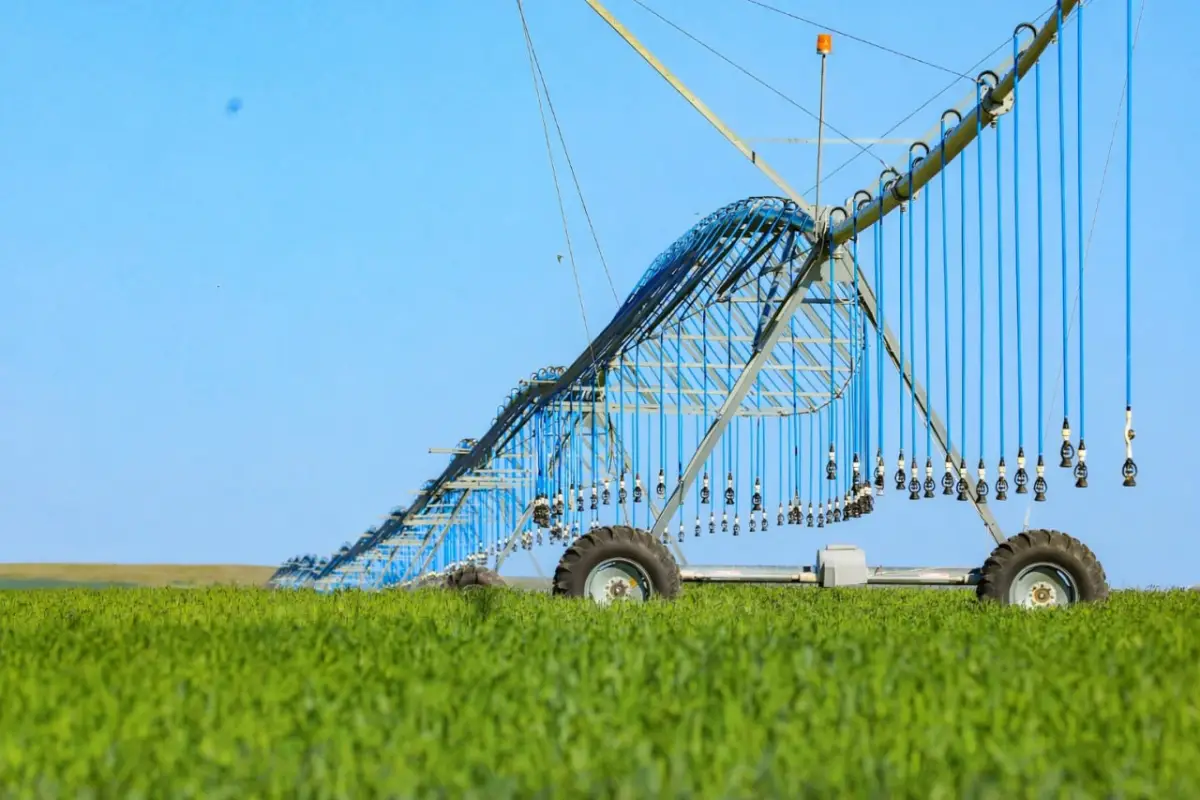
Sheikh Al Ghurair did not highlight water supply as a priority by chance: without reliable irrigation, 100,000 hectares of beets in the Almaty region is a declaration, not a production plan. Attracting international financing to create irrigation infrastructure is being explored.
"It is critically important for us that the cultivated areas are reliably supplied with water. We will bring in the best consultants in the field of hydrology," states Managing Director of Al Khaleej Sugar, Sheikh Al Ghurair.
Global Moment: Sugar is Getting More Expensive
Al Khaleej Sugar's entry into Kazakhstan occurs against the backdrop of a sharp rise in global sugar prices. As we have previously written, El Niño threatens the sugar cane harvest in India — the world's second-largest producer. White sugar futures have already exceeded $660 per ton, and with a complete halt of Indian exports, the price could reach $750–800.
In these conditions, building a large plant based on beet raw materials — and beets do not depend on tropical climates or El Niño — looks like a strategically sound decision. Kazakhstan is capable of producing sugar at a time when traditional cane-growing regions are experiencing a deficit.
Context: Three Plants Instead of One
The QazaqArab Sugar project is not the only one on Kazakhstan's sugar agenda. Simultaneously, the Ministry of Agriculture's Roadmap includes 12 other major international projects in the agro-industrial complex. The Turkish holding Cengiz Holding is discussing the construction of two plants in the North Kazakhstan and Pavlodar regions with a total capacity of 300,000 tons for $500 million. If all announced projects are implemented, Kazakhstan will not only cover its own sugar needs but also gain significant export capacity.
Author's Conclusion
Al Khaleej Sugar chose Kazakhstan — and that in itself is a signal. The world's largest independent sugar refiner does not go where there are no prospects. $580 million in investment, 500,000 tons of capacity, 100,000 hectares under beets — this is not a pilot project, but an industrial bet on Kazakhstan's agricultural potential. Now, the key issues are water for irrigation and construction speed. If both are resolved by 2028, Kazakhstan will move from sugar import dependence to export ambitions — at the most opportune moment, when the global market is experiencing a deficit.
Comments ()