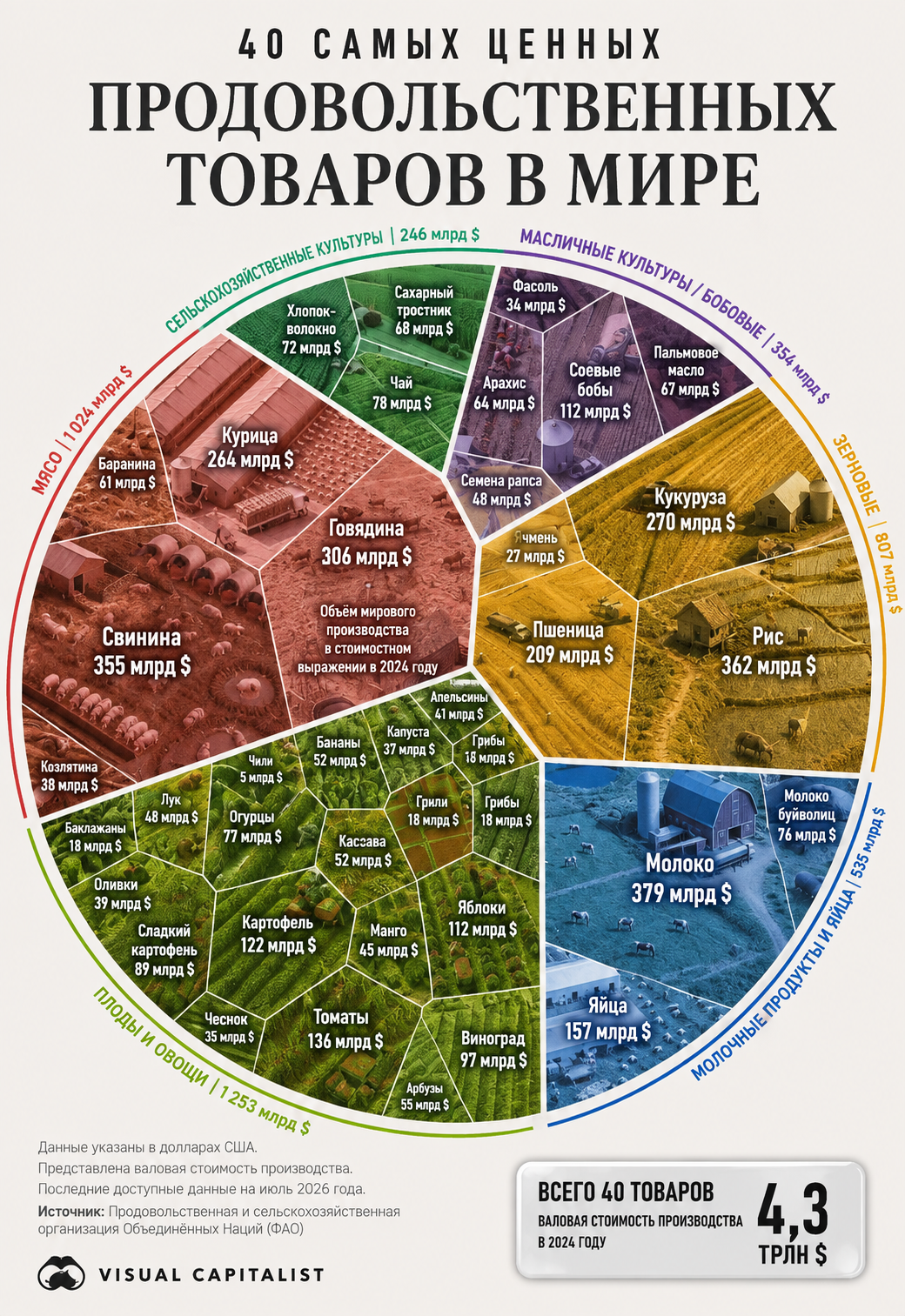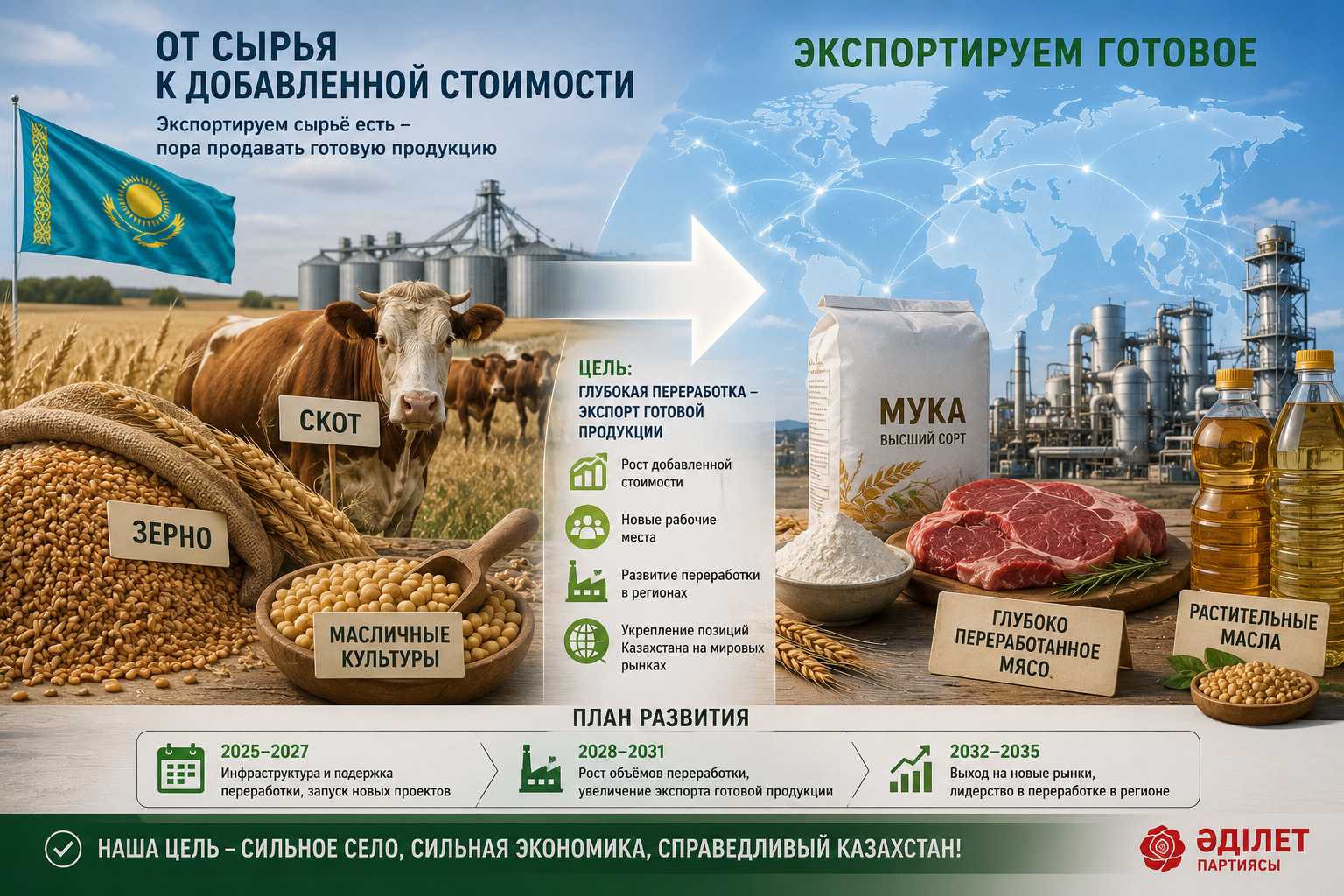
FAO: 60 million people in Europe and Central Asia cannot afford a healthy diet — and Kazakhstan is at risk The UN FAO released a new regional report on food security and nutrition in Europe and Central Asia.
World Bank shifts climate strategy: from quotas to economic impact The World Bank is dropping one of its key climate policy targets.
China sets goal: wind and solar to account for over half of the country's installed power generation capacity by 2030 China aims to build an efficient low-carbon energy system. By 2030, solar and wind power are expected to exceed 50% of energy generation.
Critical minerals are becoming the new oil. Kazakhstan finds itself at the center of the global technology race. Just a few years ago, global powers competed for oil and gas. Today, lithium, rare earths, graphite, cobalt, and uranium are increasingly becoming the focus of geopolitics.
Reactors No One Has Dismantled: Why Lithuania Is the First in the World to Seek a Way to Dismantle Chernobyl’s Legacy Lithuania will, for the first time, involve international experts to dismantle the RBMK-1500 reactor core at the Ignalina Nuclear Power Plant.
Why Australia can't abandon a toxic herbicide banned in dozens of countries While more countries ban one of the world's most toxic herbicides, paraquat, Australia has decided to keep using it in agriculture.
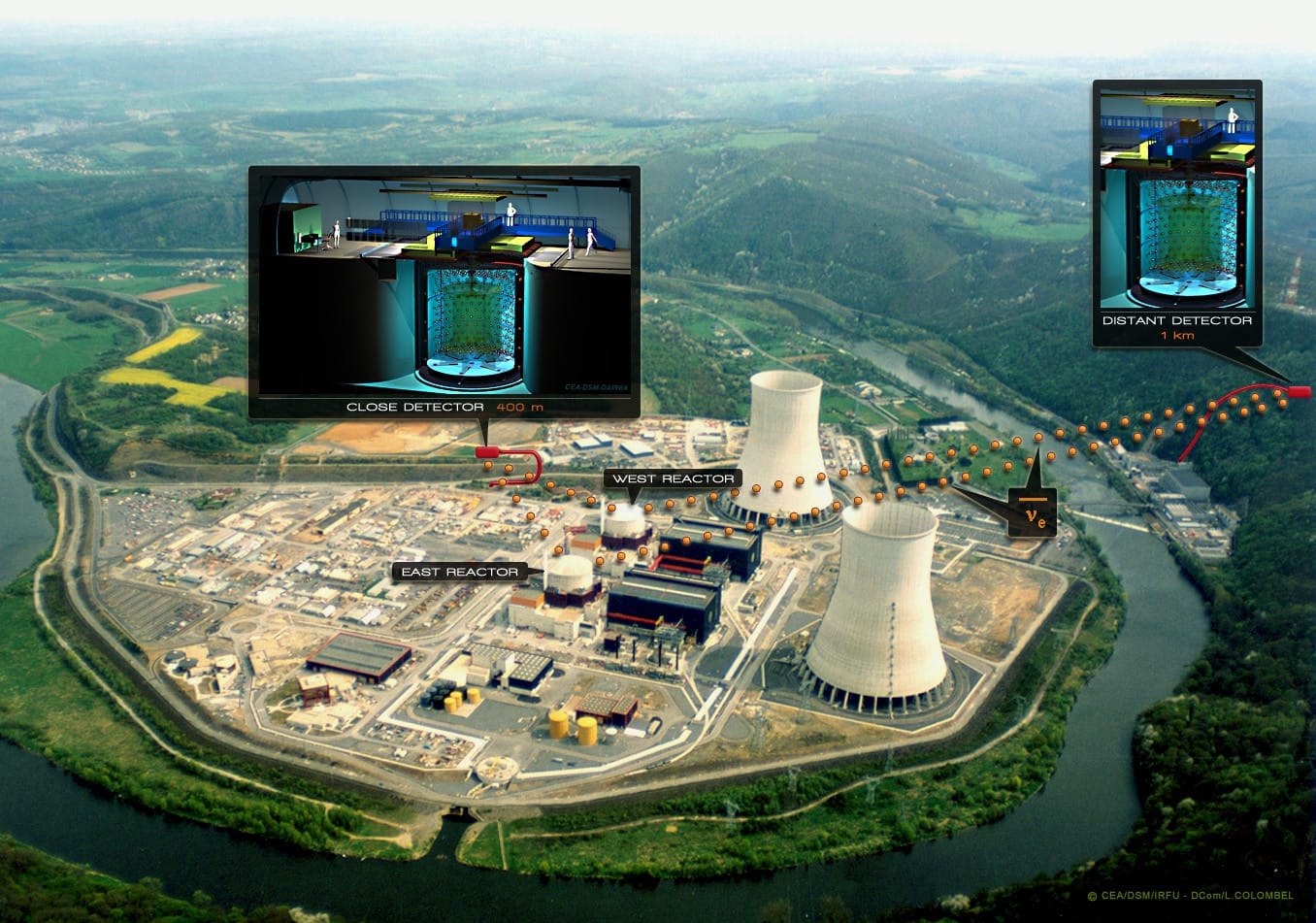
CERN shuts down the Large Hadron Collider until 2030 On June 29, 2026, the Large Hadron Collider—the most powerful particle accelerator in history—was shut down.