Super-El Niño to hit Africa for $20 billion — Central Asia faces downpours and heat The African Development Bank has for the first time put a price tag on the looming El Niño, which meteorologists call one of the strongest on record.
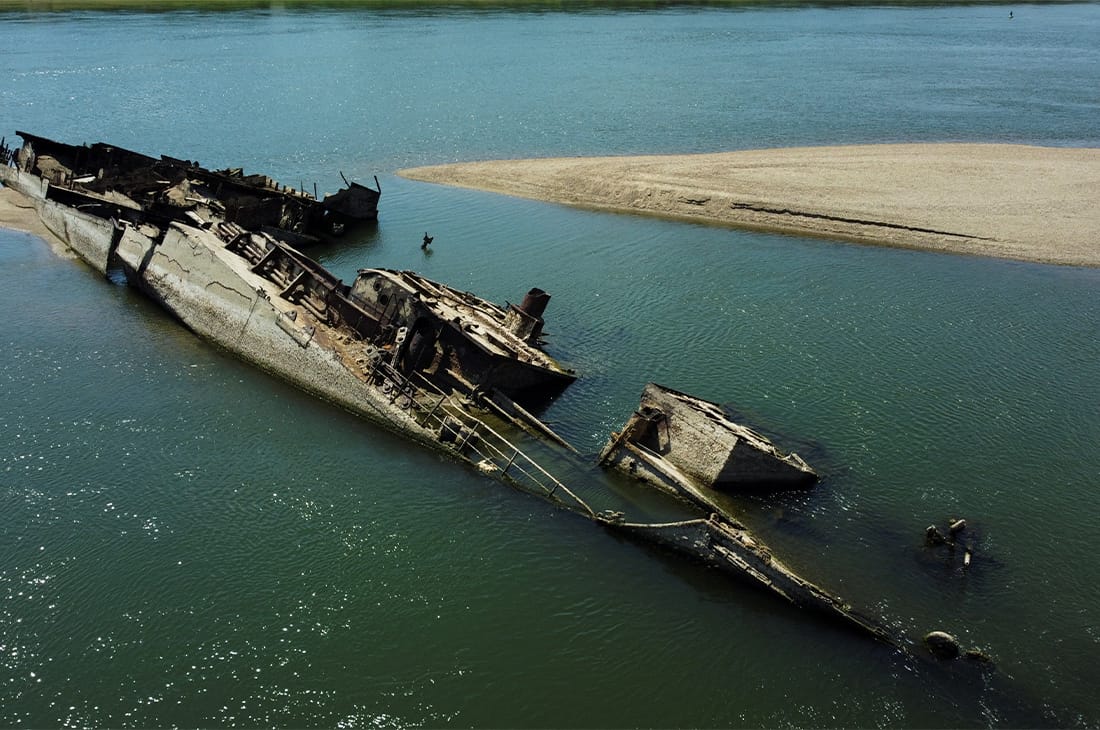
Danube shrinks to historic low, halting Romanian nuclear reactor Danube water levels at the southern section hit a historic low. Near Baja, depth dropped to 14 cm—half the previous record. Budapest's Margit Bridge foundation is fully exposed. Near Mohács, a WWII ship hull emerged from the river.
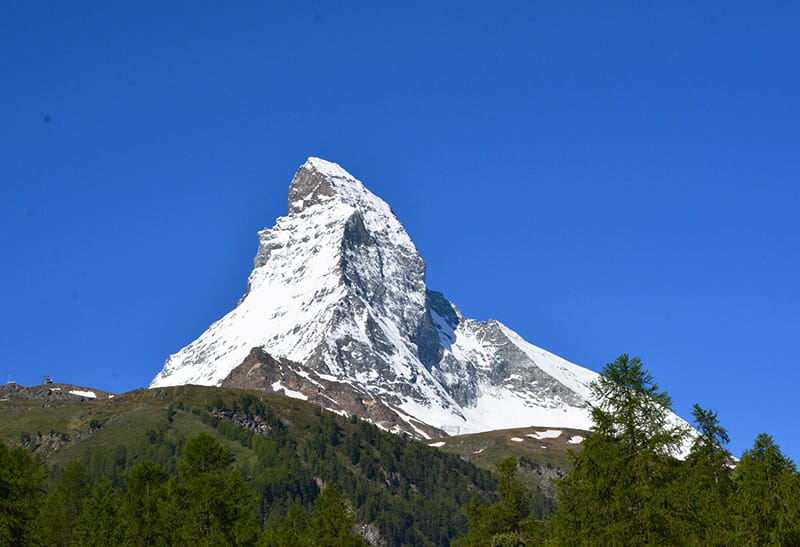
The Alps are crumbling before our eyes: the closure of Mont Blanc and the Matterhorn is a climate signal, not a tourism problem In mid-July 2026, several iconic Alpine routes were closed or effectively removed from use: the Italian route on Mont Blanc, the Hörnli Ridge on the Matterhorn, and the route on the Dent d'Hérens.
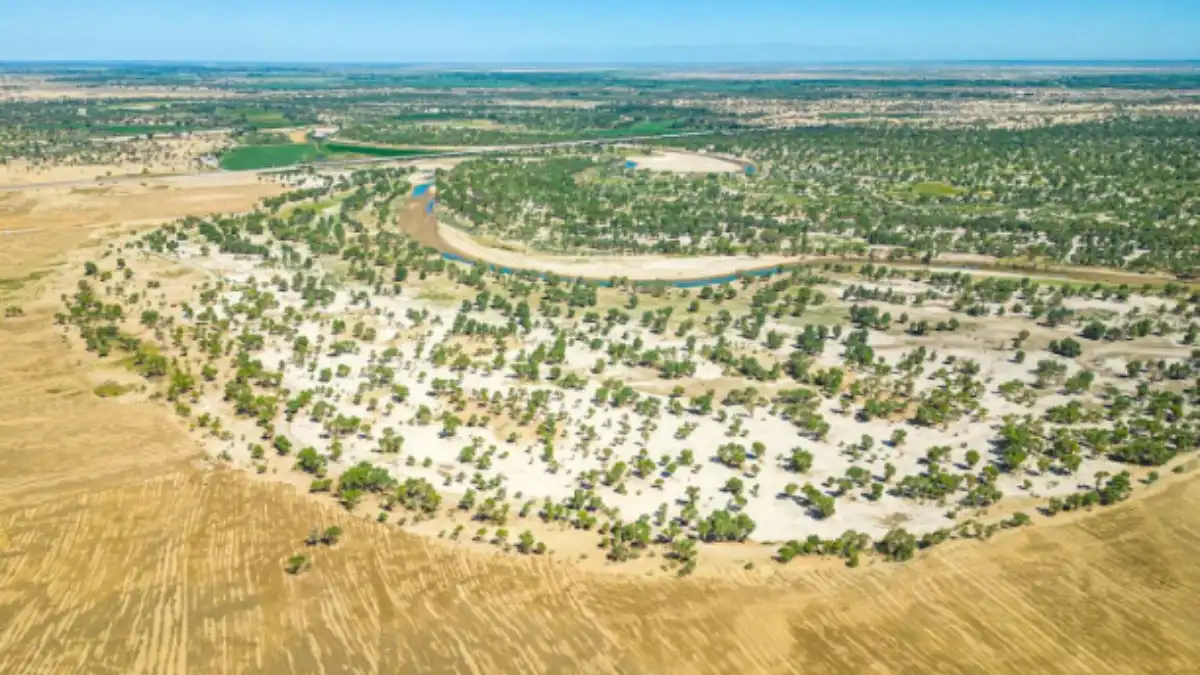
China has tamed the country's largest desert — and is now sharing its experience with Central Asia In November 2024, China completed a 3,046 km green belt around the Taklamakan Desert, named one of 2025’s top ten engineering feats by WFEO.
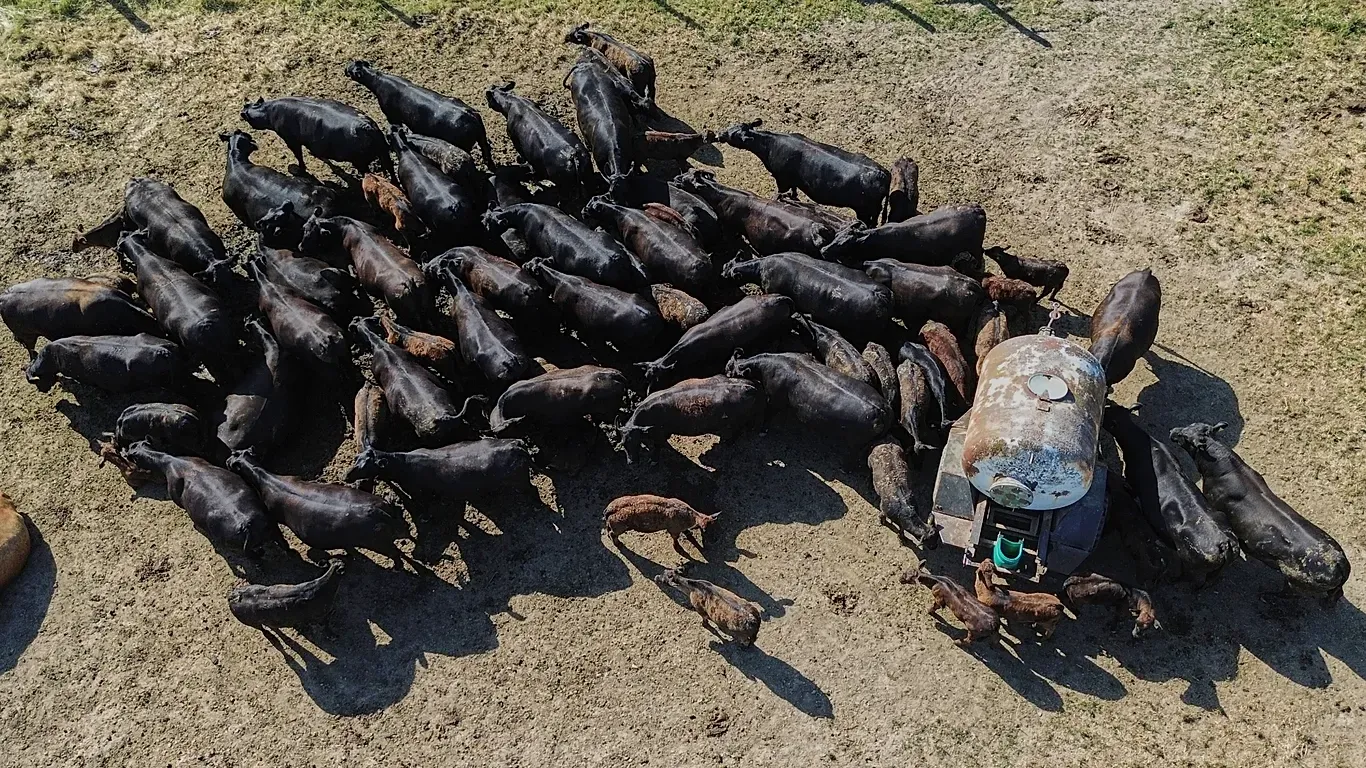
Alpine farmers bring cattle down from mountains early as drought destroys pastures Europe is experiencing one of its worst summer droughts in years, and livestock farmers are the first to pay the price. Alpine pastures lack water and feed for cows. Many farmers are forced to move herds to valleys early and buy hay already in summer.
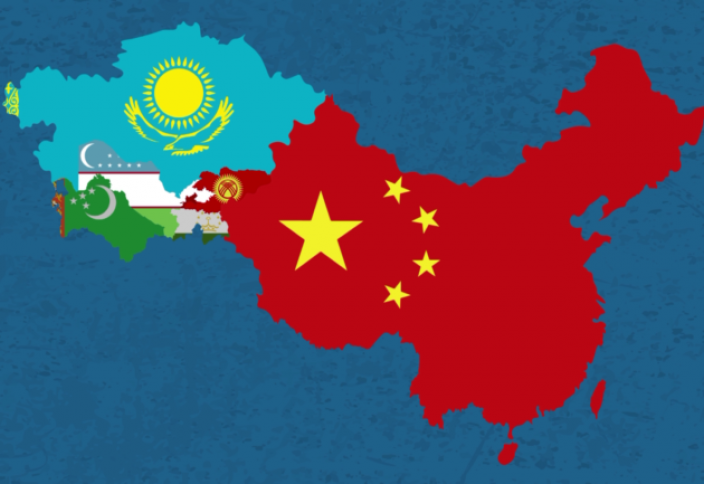
China ramps up climate initiatives: what it means for Central Asia The number of global climate projects launched or managed by China has been steadily increasing since 2009. However, whether this will form the basis for full-fledged climate leadership from Beijing remains an open question, according to Dr. Song Yixian, co-author of the study and professor at the University of Bath.
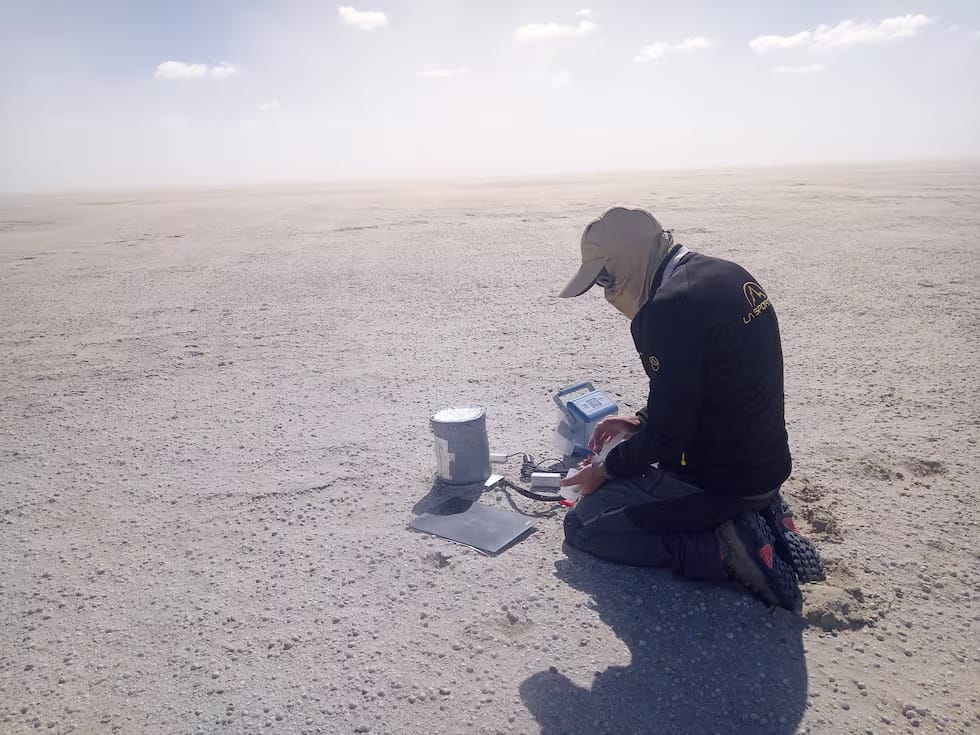
Aral Sea bed released 748 million tons of CO₂ into the atmosphere — scientists propose monetizing its restoration Spanish scientists have for the first time calculated the climate damage from the Aral Sea's drying: since the 1960s, its exposed bed has released about 748 million tons of CO₂—comparable to the annual emissions of Spain, France, and Belgium combined.